
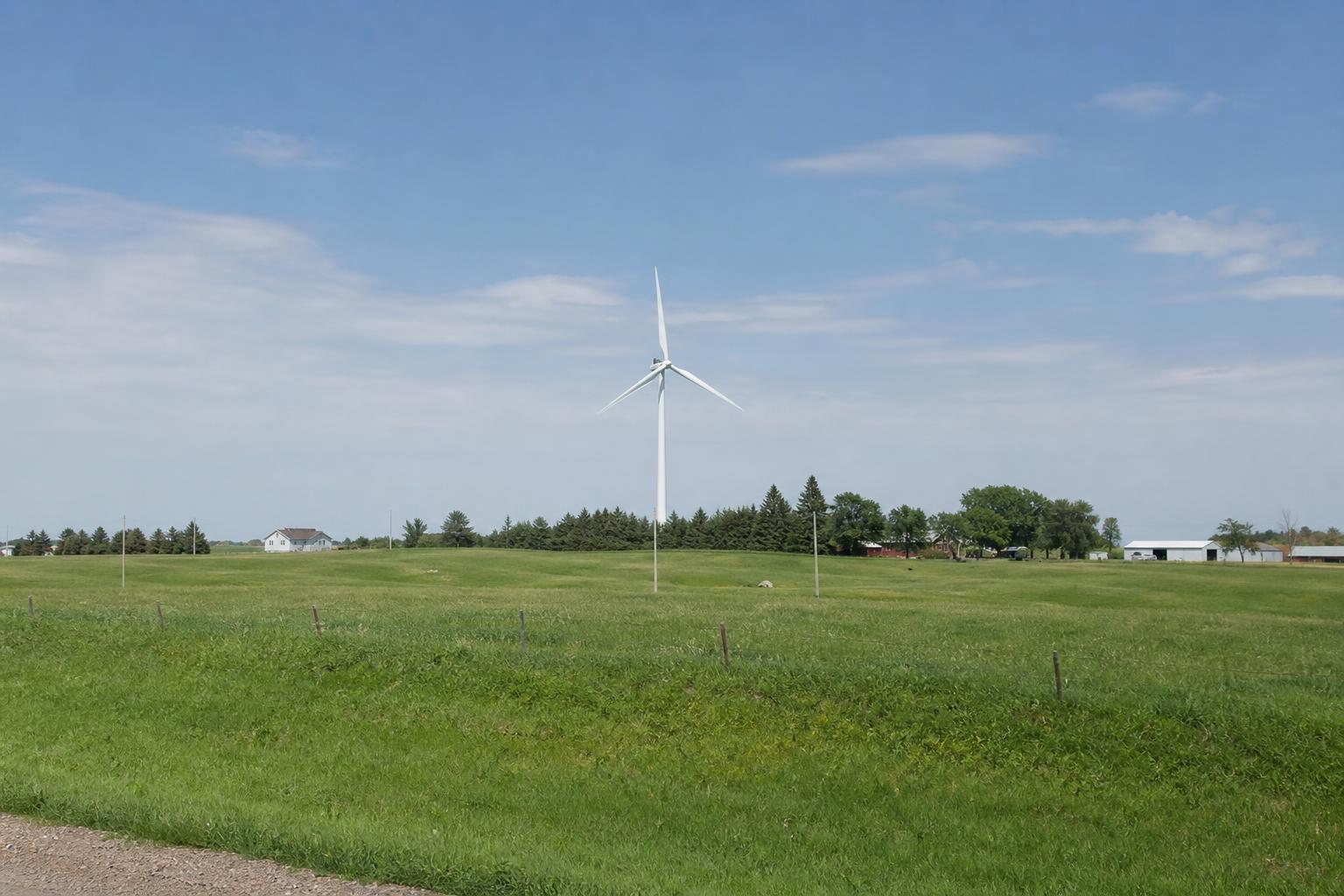
As Nebraska's agricultural landscape continues to evolve, the integration of wind energy presents both challenges and opportunities. This shift demands attention from farmers, grain handlers, and agribusinesses considering the potential impacts on land use, crop production, and local economies.
The Rise of Wind Energy in Nebraska
Nebraska's geography is ideal for wind farming, leading to a sharp increase in wind energy projects. For farmers, leasing land for wind turbines can provide a stable source of additional income. However, it's essential to balance this with traditional agricultural activities.
Economic Impacts on Local Agriculture
The introduction of wind energy creates multifaceted economic dynamics for Nebraska's rural areas. Wind farms not only supply power but also boost local economies by creating jobs and increasing demand for local services. Farmers must evaluate how this aligns with their long-term goals and local community planning.
Practical Considerations for Farmers
Choosing to lease land for wind turbines involves detailed negotiations over land rights and compensation strategies. It’s crucial for landowners to understand contract terms and the potential impacts on soil health and irrigation practices.
Potential Synergies
Despite the challenges, wind energy can coexist harmoniously with agriculture. Studies indicate that areas around turbines may experience modified microclimates that could influence crop growth positively. Farmers should explore how these changes might benefit their operations.
For more insights on Nebraska's evolving agricultural opportunities, explore our coverage on navigating challenges and opportunities in the agricultural sector.
What it means for the market
Nebraska's dual embrace of wind energy and agriculture is setting the stage for a more resilient and diversified economic framework. By leveraging these opportunities, farmers and agribusinesses can sustainably enhance productivity and profitability while contributing to broader environmental goals.