
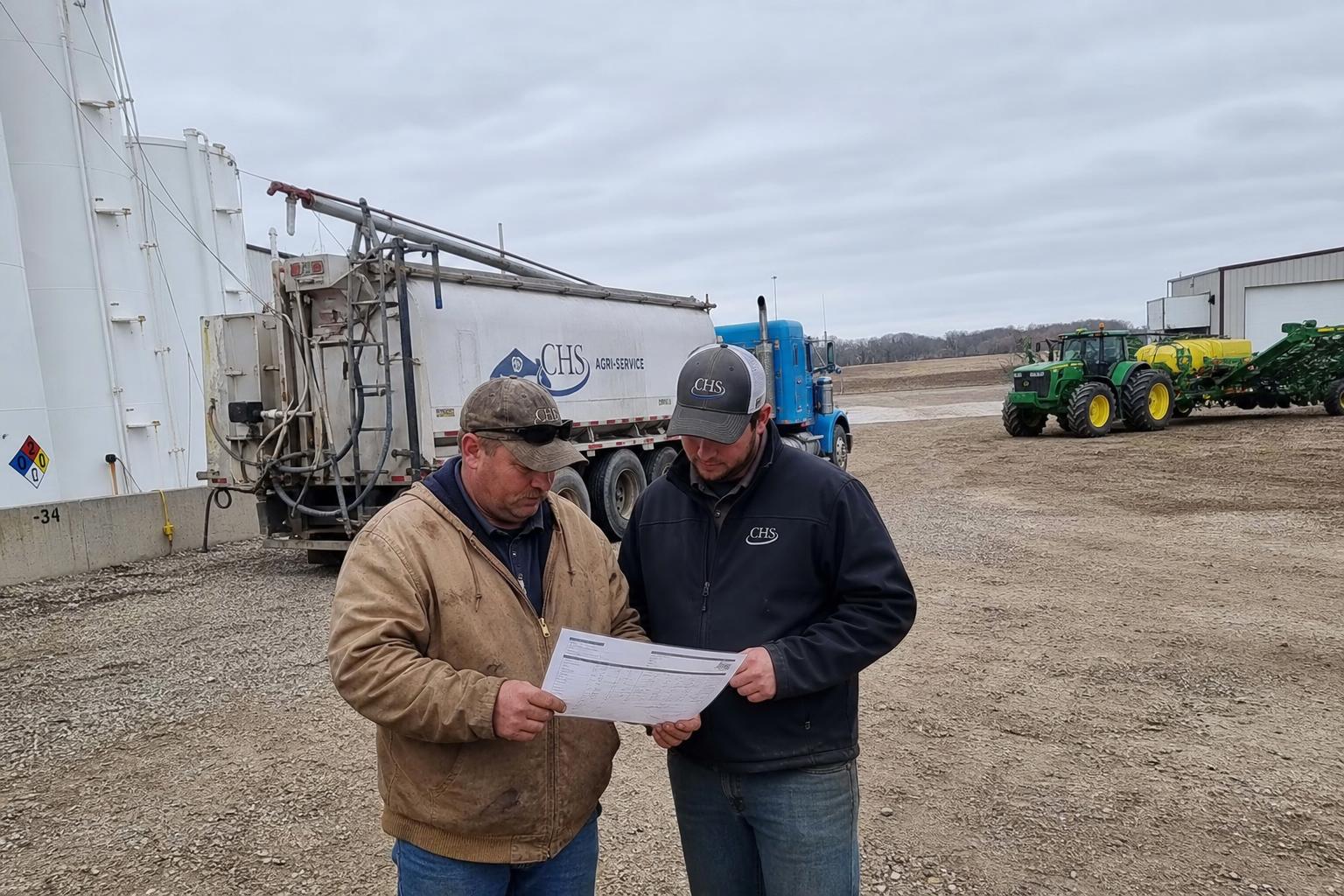
Fertilizer remains one of the most important crop input decisions for U.S. farms, even when public price signals are limited or uneven. For buyers, the practical question is not only what urea, UAN, anhydrous ammonia, DAP, MAP, or potash costs today, but what the product will cost when it reaches the farm, retail location, or tendering window.
With no verified national fertilizer price table available in the supplied source packet, this market brief focuses on decision points that farmers, retailers, elevators, and carriers can use when comparing bids. The same cost discipline used in grain marketing also applies to input buying, especially when cash flow, storage, and timing matter. For related crop margin context, see AgroPost's U.S. grain market brief on basis, exports, and bin space.
Delivered price matters more than the headline quote
A fertilizer offer should be evaluated as a delivered cost, not just a product price. Buyers should separate the nutrient value from freight, handling, storage, finance charges, shrink risk, and any application service included in the quote.
For nitrogen products, comparing forms can be useful only if the comparison is made on a nutrient basis and tied to local logistics. Anhydrous ammonia, UAN, and dry urea each carry different equipment, safety, storage, and timing requirements. The cheapest headline product is not always the lowest-risk product for a specific operation.
For phosphate and potash, availability at the local dealer and the ability to place product ahead of the application window may be just as important as the quoted price. If supply is nearby but freight is tight, buyers may still face timing risk.
Transportation can change the real fertilizer bill
Freight is a major variable in fertilizer procurement. A quote that looks competitive at a terminal can lose value if truck, rail, or barge logistics add delays or extra costs before product reaches the farm or retailer.
Buyers should ask suppliers to clarify whether the offer is FOB, delivered, prepaid, or subject to freight adjustment. If a price is tied to later shipment, the buyer should understand who carries the risk if transportation costs change before delivery.
Retailers and elevators may also want to review unload capacity, tender availability, and seasonal labor needs before committing to a delivery schedule. The goal is to avoid having product available on paper but difficult to move when fields are ready.
Input buyers should manage timing and cash flow together
Fertilizer purchasing decisions should be lined up with crop budgets, operating loans, grain sales, and application timing. A lower price is helpful only if the purchase fits the farm's cash flow and agronomic plan.
Splitting purchases across time can reduce exposure to a single pricing point, but it can also create storage and delivery complexity. Buyers should compare the value of locking in product early against the cost of holding inventory or relying on later spot availability.
For farms with variable-rate plans, updated soil tests, or manure credits, the first savings opportunity may be using the right rate before chasing the lowest quote. Product price discipline and nutrient-use discipline should work together.
Key takeaways for U.S. fertilizer buyers
- Compare delivered costs: Ask for all freight, handling, storage, finance, and application terms in writing.
- Check nutrient value: Compare nitrogen, phosphate, and potash products on a nutrient basis, not only by ton or gallon.
- Confirm logistics: Know whether truck, rail, barge, or terminal timing could affect delivery.
- Match product to the field window: The right product must be available when equipment and weather allow application.
- Protect cash flow: Coordinate fertilizer commitments with crop budgets, grain marketing, and lender requirements.
What it means for the market
For now, the most useful fertilizer strategy is disciplined bid comparison. Farmers and agribusinesses should avoid treating product quotes as interchangeable and instead measure total delivered cost, timing risk, and agronomic fit. That approach can help protect margins even when the broader fertilizer market lacks a clear public price signal.