
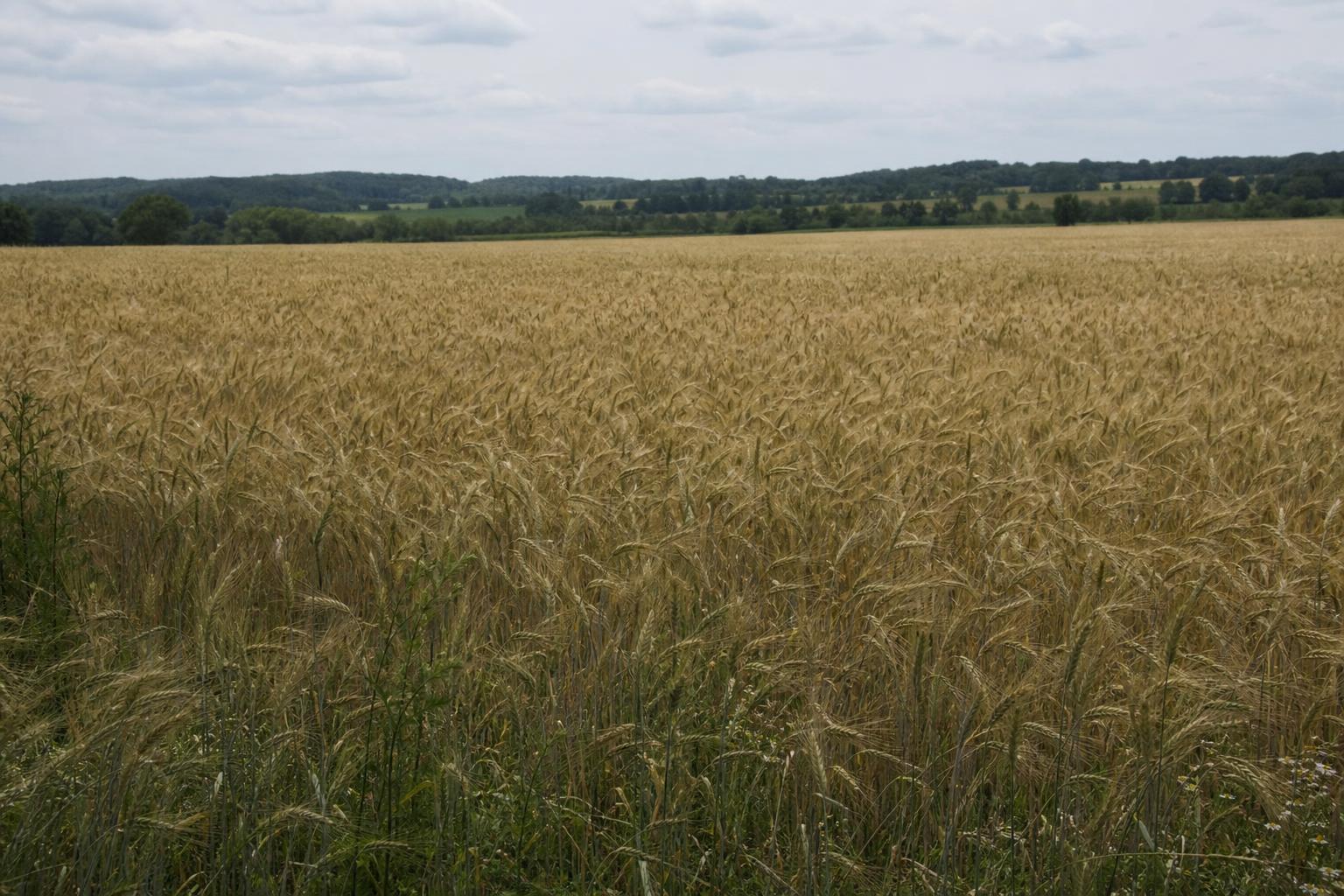
Massachusetts, a state not traditionally known for its large-scale grain production, is witnessing emerging interest in wheat and other grains. With increasing focus on local food systems and sustainable farming practices, farmers in the region are exploring opportunities in niche grain markets.
Market Trends and Pricing
Recent reports indicate a moderate rise in grain prices nationally. This trend provides a potential buffer for Massachusetts farmers facing higher input costs. According to AgWeb and DTN Progressive Farmer, markets are showing resilience despite global economic uncertainties. The state's farmers could leverage these conditions to secure more consistent revenue streams.
Opportunities in Local Grain Production
The push for locally sourced grains has renewed interest in heirloom and specialty wheat varieties. These grains are not only popular among artisan bakers and brewers but also benefit from shorter supply chains, reducing transportation costs and environmental impact. Local initiatives, highlighted in Connecticut agriculture efforts, may serve as models for Massachusetts growers.
Challenges in Infrastructure and Logistics
Despite opportunities, infrastructure limitations present challenges. Efficient logistics for smaller-scale producers remain a concern. Improving grain handling and storage facilities is crucial. Expansion in this area could mimic strategies observed in large grain-producing states like Georgia, where logistics and infrastructure investments have bolstered market performance.
Adapting to Market Dynamics
Massachusetts farmers must track national and international trends closely to remain competitive. For example, the recent shift in China's wheat imports signifies changing global dynamics that could affect local market conditions, as mentioned in the U.S. Grain Market Brief.
What it means for the market
Massachusetts' grain producers are well-positioned to capitalize on the growing demand for sustainable and local food sources. By investing in infrastructure and staying attuned to global market shifts, they can enhance their competitiveness and market reach. For those already involved in grain farming or considering it, now is the time to evaluate how best to integrate into this evolving landscape.