
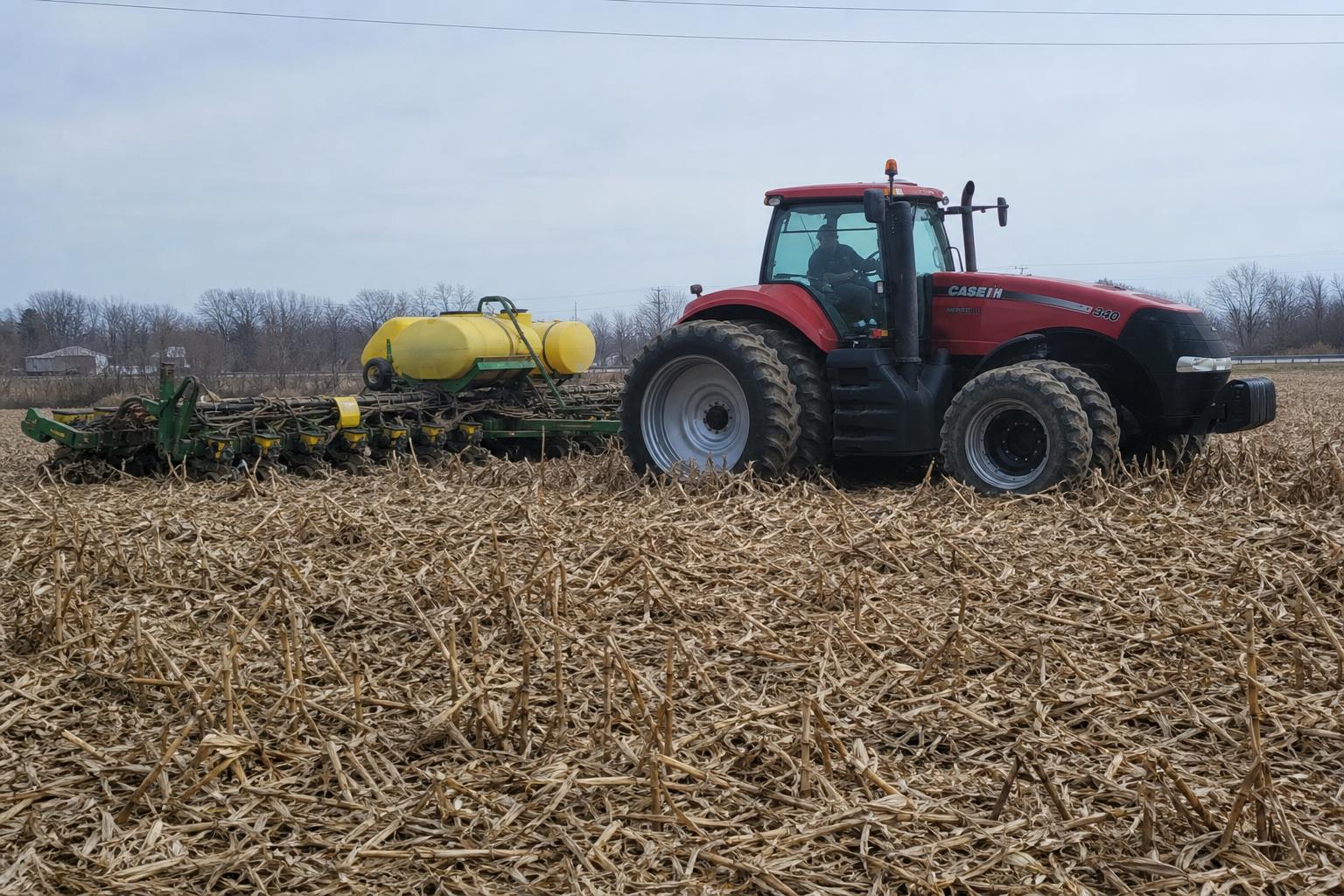
Ohio's grain markets are adapting to a rapidly changing landscape influenced by policy adjustments and technological advancements. As local farmers navigate these changes, understanding the current trends and opportunities in the market is crucial.
Impacts of Policy Adjustments
Recent domestic and international policy shifts are reshaping grain markets in Ohio. Changes in trade agreements and tariff structures have altered the demand dynamics for Ohio's grains, including corn and soybeans. Farmers, therefore, need to stay informed about these shifts to optimize their market strategies.
Technological Advancements in Precision Agriculture
Ohio's embrace of precision agriculture is helping local farmers achieve record yields. Technologies such as GPS-guided machinery and data analytics are enabling more efficient resource management and crop monitoring. This approach not only reduces costs but also enhances productivity, helping farmers better tackle market challenges.
Market Forecast and Economic Outlook
Experts at the Farm Science Review have analyzed Ohio's agricultural economy, providing insights into future market trends. With ongoing economic uncertainties, including fluctuating input costs, farmers must leverage available data and forecast tools to make informed decisions.
Challenges from Environmental Factors
Ohio’s climate presents its own set of challenges to grain markets. Unpredictable weather patterns require farmers to adapt quickly or risk significant yield losses. Strategies for efficient water management and soil health preservation are increasingly essential.
For more on how to navigate these ever-changing dynamics, see how another region is managing similar adjustments in Illinois' grain markets.
What it means for the market
The evolution of Ohio's grain markets necessitates farmers' adaptability and readiness to embrace new technologies and market data. By staying informed and agile, Ohio's grain producers can effectively mitigate risks and capitalize on emerging opportunities.