
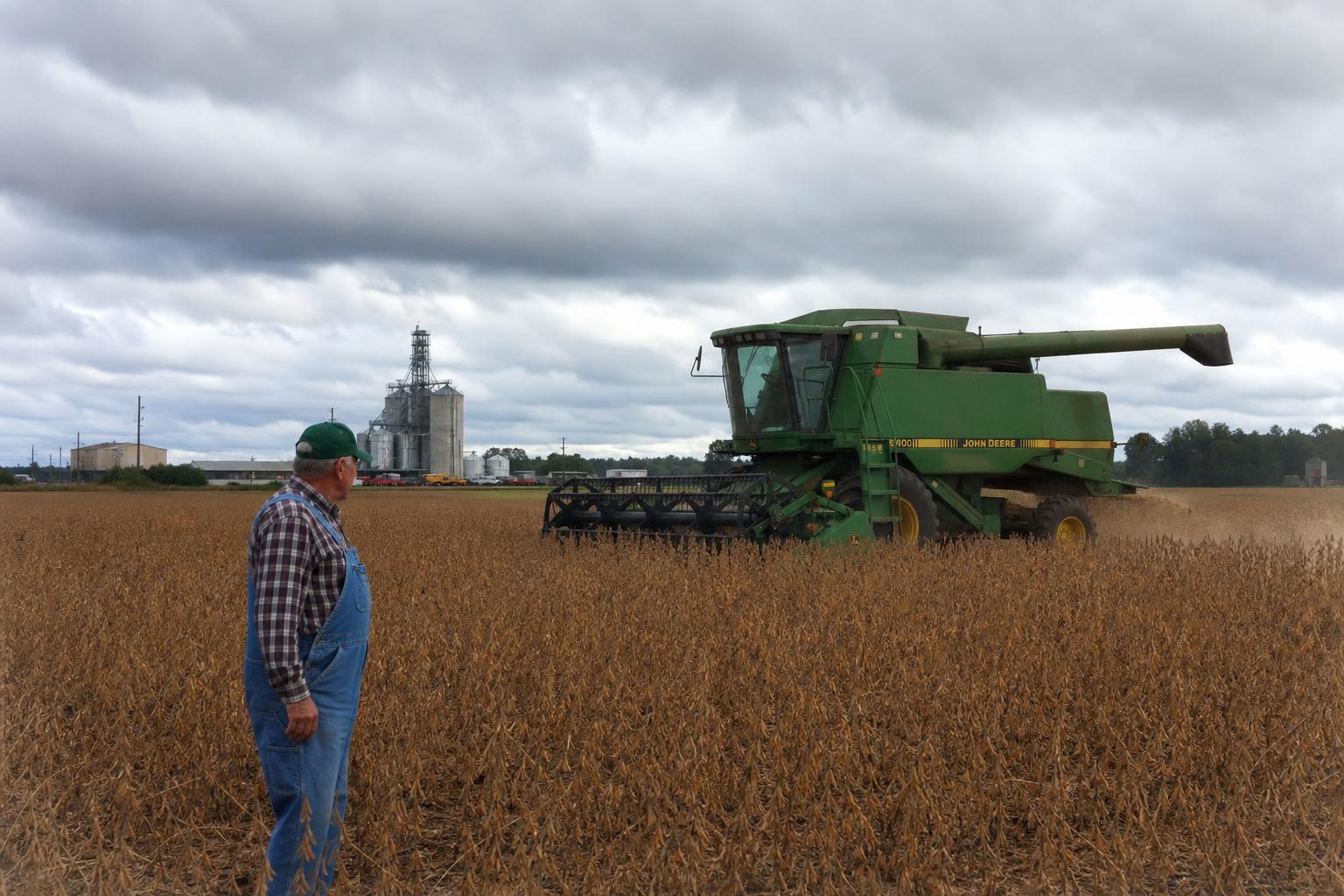
Alabama's soybean market is navigating complex challenges spurred by unpredictable weather patterns. Farmers are increasingly adapting to these variabilities to optimize yield and profitability. With emerging market opportunities, especially local processing facilities, strategic adjustments are crucial for staying competitive.
Weather Challenges and Adaptation
Alabama's soybean farmers are no strangers to weather-related disruptions. Recent shifts in seasonal rainfall patterns have made traditional planting and harvesting schedules uncertain. This year, farmers encountered both early spring rains and summer droughts, complicating growth cycles. The ability to anticipate and adapt to these climatic changes becomes essential to maintaining healthy crop yields.
For strategies on dealing with weather variations, growers can look into insights shared in Alabama's Agricultural Outlook.
Market Opportunities in Local Processing
One of the promising avenues for Alabama soybean farmers is the expansion of local processing facilities. These facilities are not only enhancing the demand for locally produced soybeans but also reducing transportation costs. Farmers are encouraged to engage with local processors to secure better contract terms and pricing strategies, optimizing their market position.
Strategic Planning for Yield Maximization
Adopting precise agricultural practices, such as diversified crop rotations and tailored fertilization methods, can enhance resilience against adverse weather conditions. Farmers should invest in soil health improvement and consider employing advanced irrigation technologies where feasible. Such adaptations align with Alabama's broader agricultural strategies as highlighted in emerging grain market opportunities.
Economic Implications and Support
Continued support from agricultural extensions and government initiatives plays a crucial role in aiding farmers to establish resilient practices. Potential subsidies and financial tools for technology adoption can further alleviate the economic pressures of adapting to climate challenges.
Efforts to diversify and strengthen market engagement are essential. Farmers might find inspiration from recent developments in the grain sector, as mentioned in the strength in Alabama's corn market.
What it means for the market
For Alabama's soybean market, ongoing adaptation to weather variability combined with strategic engagement with local processing can bolster yield and profitability. As farmers implement resilient practices, they can mitigate risks and capitalize on emerging market opportunities, ensuring a competitive stance within the evolving agricultural landscape.