
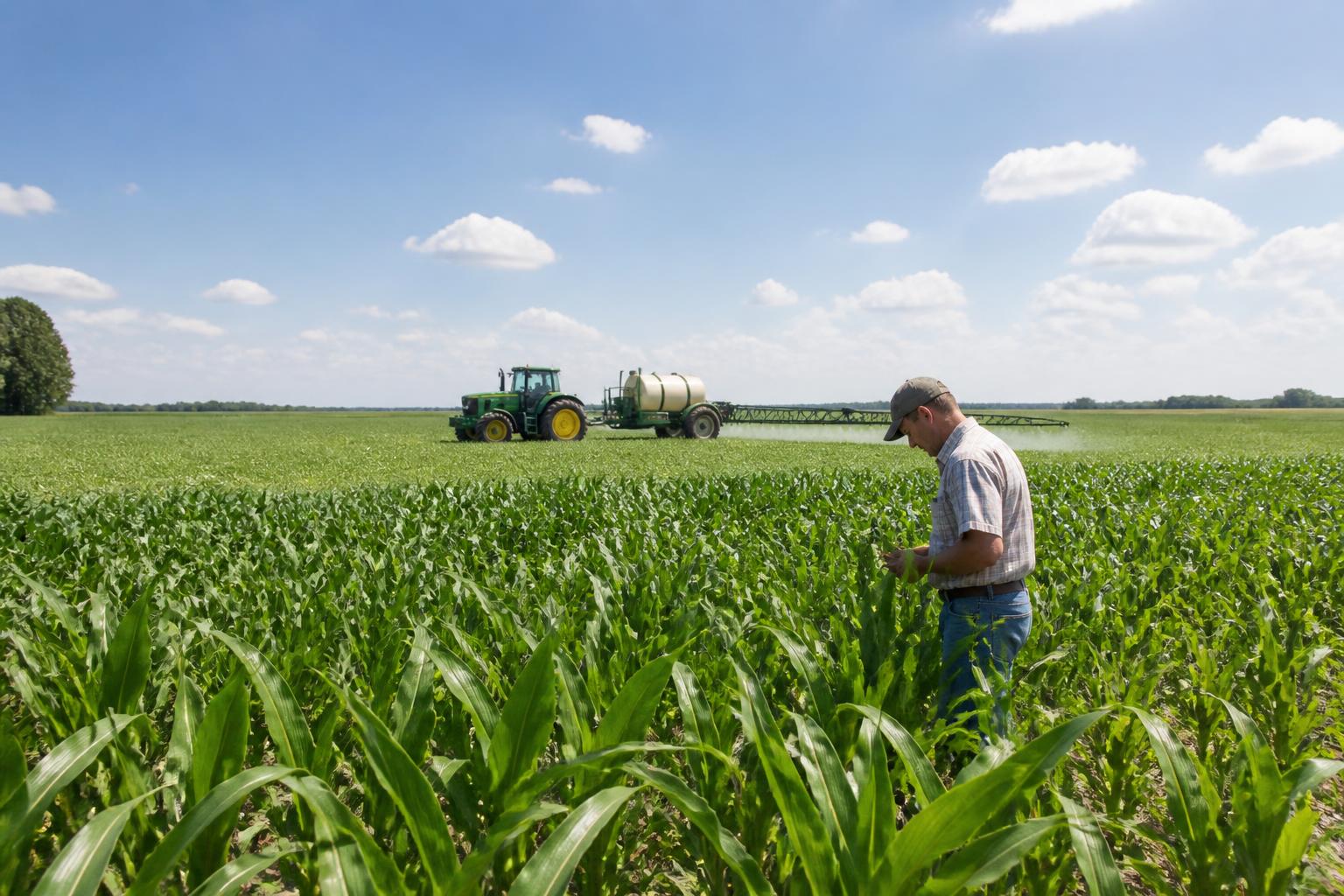
Delaware growers are navigating a complex summer cropping season. After heavy spring rains prompted the state to apply for USDA emergency disaster relief, the stabilization of key fertilizer inputs offers a small sigh of relief. Specifically, global urea prices have retreated to levels seen before the recent geopolitical conflicts in the Middle East, easing some immediate nitrogen cost anxieties as mid-season applications continue across the state's corn and soybean fields.
While the reduction in nitrogen costs is welcome, agricultural organizations like the American Farm Bureau Federation (AFBF) caution that overall global risks, higher structural operating costs, and tighter profit margins remain top concerns for growers. Navigating these fluctuating input costs requires careful planning, especially when trying to balance crop nutrition with a challenging local weather year.
Nitrogen Prices Retreat to Pre-Conflict Levels
Urea prices in the United States have officially returned to levels seen before the escalations between Iran and Israel, reversing a spike that had threatened to derail summer input budgets. This downward correction provides Delaware farmers with a more predictable window to purchase remaining nitrogen requirements for the current growing season.
For Delaware crop producers, who often manage delicate nutrient programs to protect local watersheds, the drop in urea prices provides immediate financial relief. However, international logistics and supply lines remain sensitive to disruptions. Staying informed about managing long-term input inflation and monitoring global trade patterns is still vital for forward-buying strategies.
Local Commercial Shifts and Global Market Moves
Closer to home, the regional agricultural business landscape is also seeing significant structural adjustments. Newark, Delaware-based FMC Corporation recently announced a 114 million dollar sale-leaseback of its local property, a strategic move aimed at optimizing its capital structure amidst broader crop protection and input market pressures.
On the global stage, major fertilizer players continue to see stock volatility. The Mosaic Company has seen its shares trade under recent highs, settling below 21 dollars, while international companies like K+S are actively refining their fertilizer portfolio focuses. These corporate realignments reflect a highly competitive and shifting global fertilizer market that directly impacts retail pricing on the Delmarva Peninsula.
Balancing Margins After Delaware's Wet Spring
The stabilization of fertilizer prices comes at a critical time for local producers. Excessive rainfall during the spring planting window caused widespread crop damage and delayed field operations across Delaware's agricultural counties. The severity of the weather prompted state officials to seek USDA emergency disaster assistance to support impacted farming operations.
With crop yields potentially compromised by early-season moisture stress, optimizing fertilizer efficiency is critical to protecting remaining margins. Many local growers are focusing heavily on mid-season fertilizer logistics, ensuring that every pound of nitrogen, phosphorus, and potassium applied delivers maximum agronomic return.
What it means for the market
For Delaware agribusinesses and farmers, the retreat of urea prices to pre-conflict levels represents an excellent tactical opportunity to secure late-season crop nutrition or begin averaging down the cost of future fertilizer bookings. While global supply chain risks and corporate restructuring will keep the long-term outlook volatile, the immediate market presents a welcome window of price stability. Delaware growers should consult closely with their local crop advisors to balance summer nutrient application rates against expected crop performance following the difficult spring start.
Comments
No comments yet — be the first to share your take.