
As summer settles over New York state, agricultural producers and transport providers are turning their focus to the complex logistics of moving seasonal crops. Delivering fresh food and agricultural commodities during the warmer months requires a delicate balance of temperature control, strict safety standards, and efficient route planning. Navigating these requirements is essential for protecting product value from the farm gate to the final consumer.
With major transport corridors like Interstate 90 and Interstate 87 carrying everything from Western New York dairy to Hudson Valley specialty crops, local agribusinesses must stay ahead of logistical bottlenecks. Proper planning is particularly critical when navigating New York's agricultural market in summer 2026, as transport capacity and climate factors influence regional shipping rates.
The Realities of Summer Food and Ag Shipping
Shipping agricultural products during the heat of summer demands high operational standards. Temperature-sensitive freight, such as fresh produce and processed dairy, requires reliable cold-chain management to prevent spoilage. According to international shipping guidelines, ensuring the cleanliness of transport containers and maintaining strict temperature logs are foundational to food safety.
For New York shippers, this means close coordination with carriers to verify that refrigerated trailers (reefers) are pre-cooled and functioning properly before loading. Even brief lapses in climate control during transit across the state can result in cargo rejection, impacting the bottom line for local growers.
Connecting Winter Planning to Summer Execution
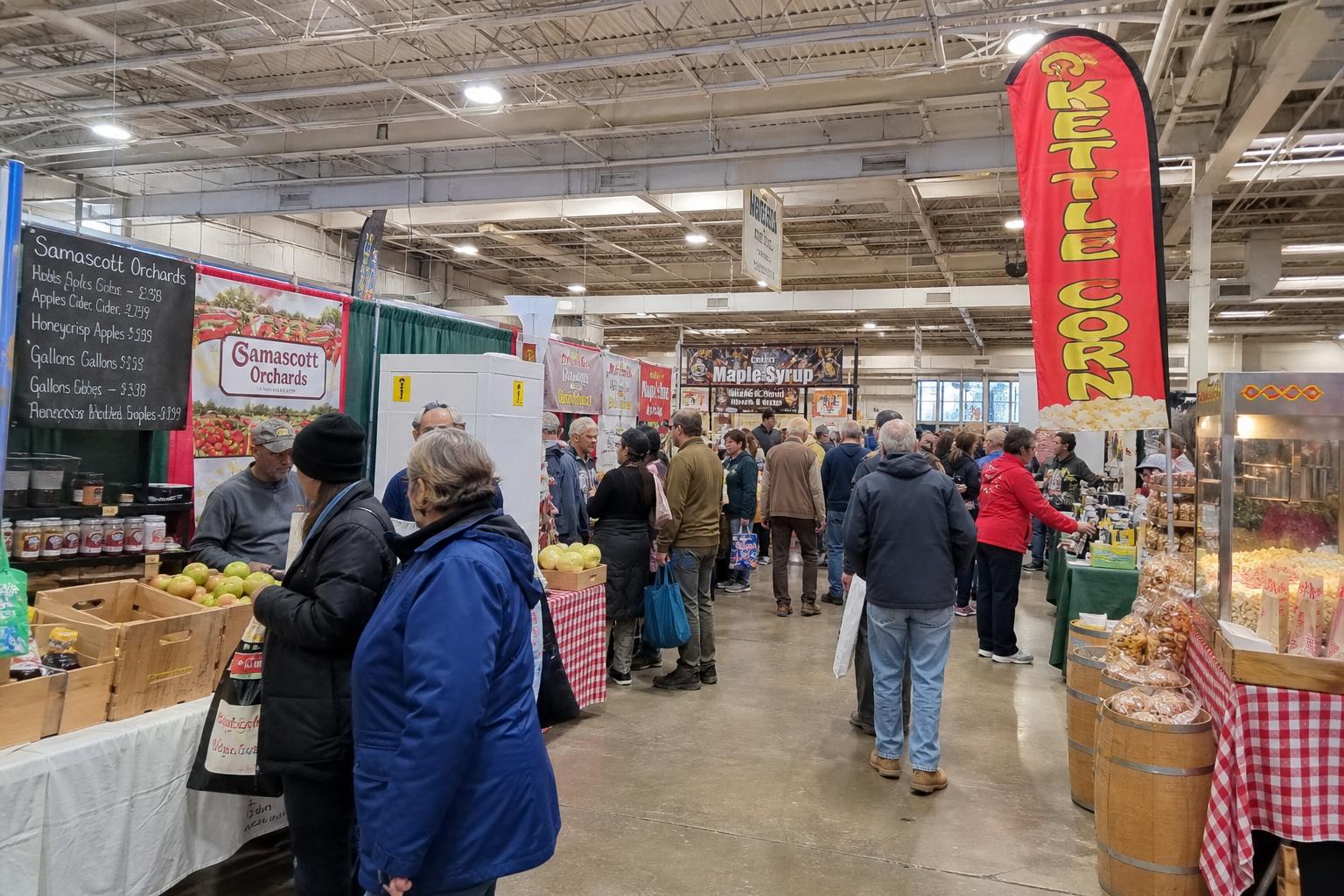
The groundwork for these summer logistics strategies is often laid months in advance. Events like the annual New York Farm Show, which returned to Syracuse on February 24-26, provide farmers and supply chain professionals with a critical venue to evaluate new machinery, GPS tracking technology, and freight solutions. Decisions made during those late-winter sessions are now being put to the test in the fields and on the highways.
Whether upgrading on-farm pre-cooling systems or establishing new relationships with regional freight brokers, the investments highlighted during the winter trade show season are paying off now as the summer shipping peak intensifies.
Key Takeaways for New York Shippers
- Prioritize Cold Chain Integrity: Verify that temperature-control systems are fully operational and calibrated for summer heat.
- Optimize Routes: Map out transport schedules to avoid midday delays in metropolitan transit zones.
- Maintain Cleanliness Standards: Ensure all transport units are sanitized to meet national and global food safety guidelines.
What it means for the market
For New York's agricultural sector, maintaining high standards in logistics is the key to preserving profitability during the high-volume summer season. Producers who coordinate early with reliable carriers and adhere strictly to food safety transport guidelines will secure better access to premium markets in NYC and beyond, setting a strong foundation before the fall harvest begins.