
Georgia's agricultural sector is navigating a complex landscape of shifting logistics, export challenges, and localized pest pressures this summer. From the poultry operations in the northern counties to the bustling shipping corridors connected to Atlanta, local agribusinesses are closely monitoring trade flows and biosecurity risks. While poultry producers manage export hurdles following a bird flu outbreak, grain handlers and logistics providers are leveraging the state's growing strength as an inland shipping hub.
Poultry Export Hurdles amid Bird Flu Concerns
Georgia is a primary driver of the U.S. poultry sector, but a bird flu outbreak within the state is raising concerns among trade organizations about its impact on chicken exports. International trade restrictions can quickly disrupt regional markets, as container backlogs or export bans can limit processing schedules and alter local demand for feed. For crop producers, these animal health challenges are tightly linked to local feed grain consumption, making it essential to monitor livestock trends alongside the Georgia corn market and crop conditions to anticipate demand shifts.
Atlanta Expands Feed and Grain Logistics Reach
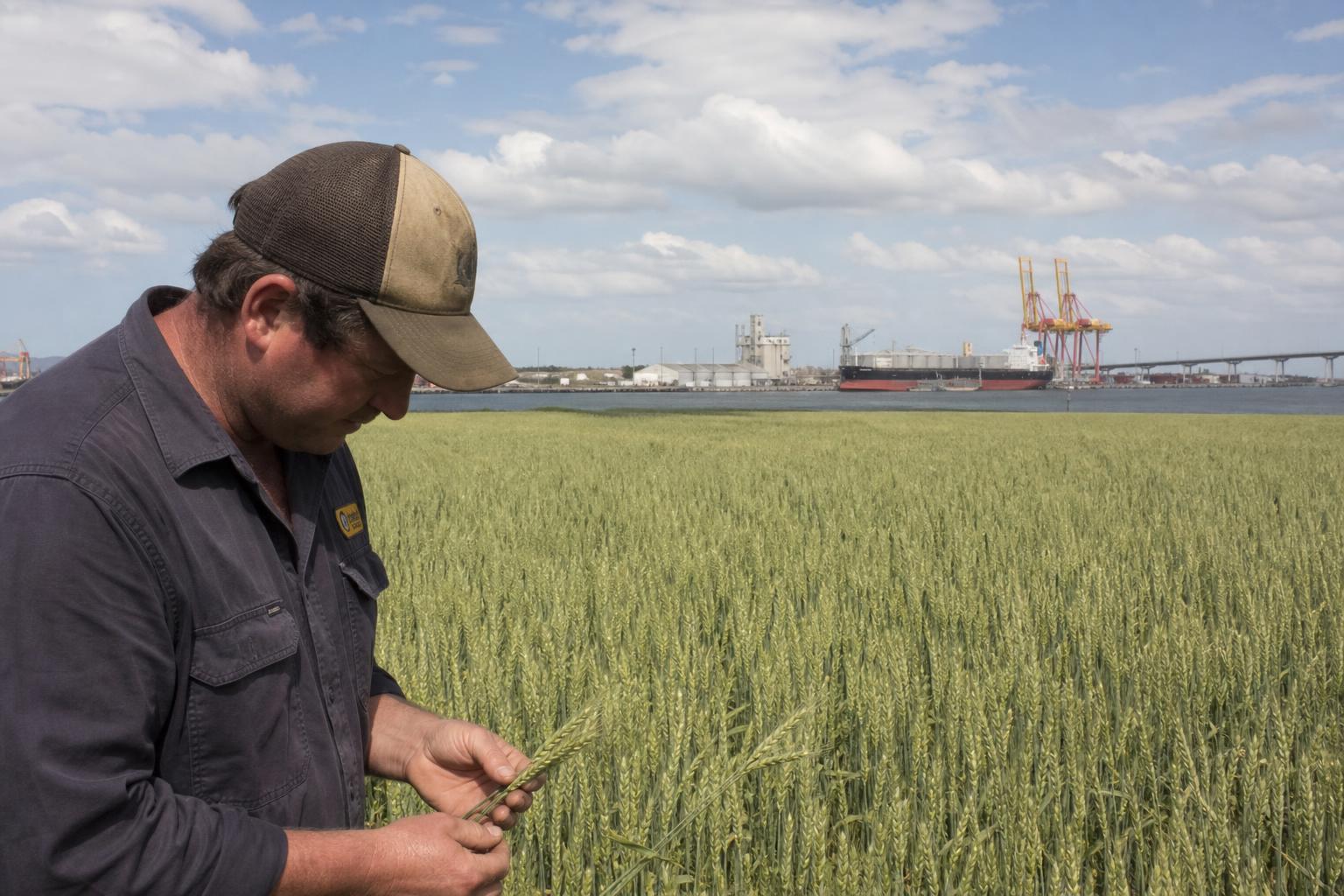
While the livestock sector manages disease risks, Georgia's crop logistics sector is seeing positive momentum. Wheat exports moving through regional port networks have risen, bolstered by Atlanta's expanding role as a major logistics and distribution hub. The city's extensive rail connections and interstate corridors allow grain handlers to move regional wheat and other field crops efficiently toward coastal shipping terminals. This logistics efficiency helps local elevators keep grain moving during peak seasonal windows, reducing regional storage bottlenecks and maintaining local basis levels.
Pest Pressures and Agricultural Workforce Initiatives
In the fields, Georgia growers are facing new biological threats alongside typical summer weeds and diseases. State officials are actively urging residents and farmers to report sightings of the invasive yellow-legged hornet, warning that even a single active nest can expand rapidly, threatening the local honeybee populations that are vital for pollinating specialty crops. On a positive note, workforce resilience remains a priority, with the University of Georgia running programs designed to help disabled farmers and veterans transition back into active farming operations across the state.
What it means for the market
For Georgia agribusinesses, the summer market presents a split landscape. High logistics efficiency and strong wheat export movement through Atlanta provide solid support for grain handlers. However, poultry producers and feed buyers must remain cautious as bird flu export restrictions could temporarily depress local feed demand and alter regional trade balances. Maintaining high biosecurity and closely watching transport availability will be key to managing volatility in the weeks ahead.