
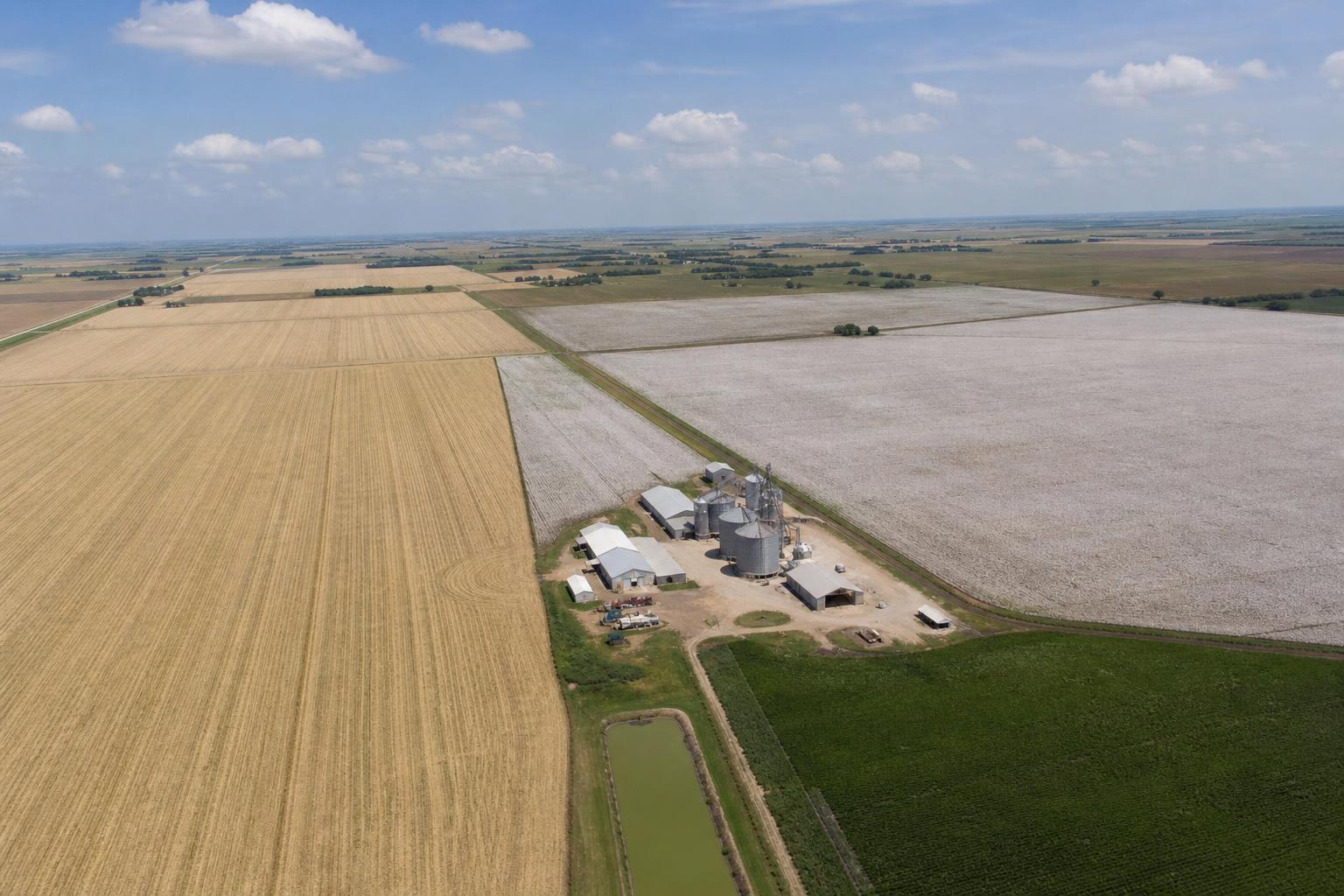
Texas grain producers are navigating a complex summer landscape as the harvest season reaches its peak. While rising operational costs present ongoing challenges, local growers are increasingly turning to advanced agricultural technologies and targeted crop varieties to optimize their returns. From the High Plains down to the Gulf Coast, farming operations are finding ways of adapting to broader market shifts and weather patterns that define this season.
As logistics and input management take center stage, crop producers must balance field-level agronomics with global macroeconomic realities. High fuel prices and tight input margins mean that every trip across the field and every bushel stored must be carefully calculated.
Input Price Spikes Squeeze Farm Margins
Texas farm operations are facing intense bottom-line pressure due to recent spikes in both fuel and fertilizer costs. Diesel prices, critical for running combines, transport trucks, and irrigation systems, have escalated rapidly, cutting deeply into seasonal profit margins. Fertilizer costs have followed a similar upward trajectory, forcing growers to be extremely strategic with their application rates.
To cope with these financial strains, many producers are evaluating their marketing timelines and storage capacities. Ensuring that grain is moved efficiently from the field to local elevators or on-farm storage bins can help mitigate some of these transportation costs. Growers are keeping a close eye on grain storage and regional selling windows to avoid unnecessary transport fees during peak fuel pricing.
The Rise of AI and Digital Farm Mapping
In response to high production costs, Texas agriculture is experiencing a rapid shift toward precision technology and artificial intelligence (AI). Modern digital mapping platforms are helping growers monitor crop health, analyze soil moisture, and optimize input applications with high precision. By identifying exact areas in a field that require nitrogen or pest management, farmers can avoid blanket applications, directly reducing fertilizer and chemical expenses.
These AI-driven tools also provide critical forecasting data, allowing grain handlers and farm managers to estimate yields and plan logistics weeks before the harvest machinery even enters the field. In a state as vast as Texas, where transport distances to major ports and processing hubs can be immense, these logistical efficiencies are proving vital to maintaining profitability.
Wheat Variety Selection and Local Milling Niches
Agronomic decision-making remains the foundation of a successful harvest. Texas wheat growers are relying on updated regional variety selection guides to choose seeds that offer robust drought tolerance and disease resistance. Selecting the right variety tailored to specific county soils and climate conditions is the first line of defense against volatile summer weather.
Simultaneously, some enterprising farming families are bypassing traditional commodity channels altogether by focusing on value-added niches. There is a growing local demand for freshly milled, farm-to-table wheat products. By cleaning, milling, and marketing their grain locally, some growers are capturing higher premiums that insulate them from fluctuating global commodity prices.
Key Takeaways for Texas Growers
- Optimize Inputs: Use variable-rate technology and AI soil mapping to curb the impact of high fertilizer prices.
- Select Wisely: Align wheat variety choices with local county trials to ensure maximum resilience against summer heat and pests.
- Explore Value-Added Paths: Direct-to-consumer milling and specialty grain contracts can offer a buffer against low commodity basis.
What it means for the market
For the broader Texas agribusiness sector, the current summer climate demands a dual focus on rigorous cost control and technological adaptation. While fuel and fertilizer pricing will continue to test seasonal cash flows, the integration of precision AI tools and smart crop variety positioning will likely divide highly profitable operations from those just breaking even. Buyers and logistics providers should prepare for highly targeted selling periods as growers closely monitor freight costs before committing grain to the market.