
Infrastructure Investments and the Summer Traffic Squeeze
Governors across the country, including in Rhode Island, have emphasized infrastructure investment in their recent addresses to modernize transport networks. For local farmers, improved roads and bridges are essential for long-term supply chain resilience, but active construction zones during the peak summer travel season can trigger sudden delays.
With major routes heading toward coastal South County and Newport experiencing heavy seasonal tourist volume, agricultural haulers must carefully plan their delivery windows. To understand how these logistical hurdles fit into the larger state picture, shippers should review the broad agricultural growth trends in Rhode Island.
Biosecurity and Pest Management Transport Constraints
Transport safety in June 2026 is not just about avoiding traffic; it is also about preventing the spread of invasive pests. The spotted lanternfly remains a major threat to Rhode Island vineyards, orchards, and nurseries, prompting active state management and spraying operations in infested areas.
Truckers and farm operators moving specialty crops, nursery stock, or farm equipment through affected zones must remain vigilant. Inspecting vehicles before leaving transport hubs is critical to ensure that hitchhiking pests do not spread to clean agricultural pockets in Kent, Providence, or Washington counties. Proper documentation and vehicle cleanliness are becoming standard requirements for commercial agricultural haulers operating in the Northeast.
Specialty Logistics: From Aquaculture to Livestock Hauling
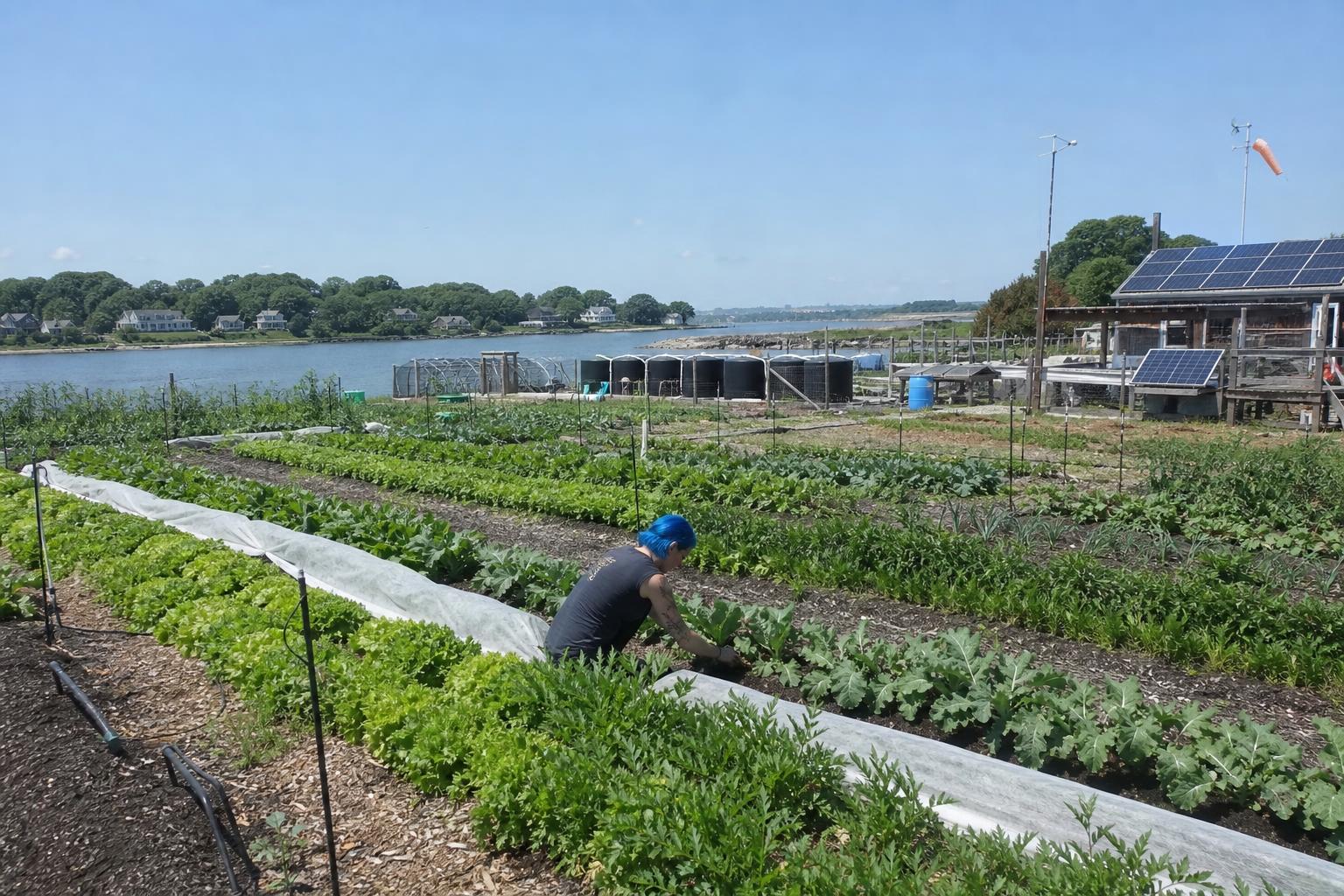
Rhode Island's agricultural landscape is highly diversified, featuring innovative land-based farms and rapidly growing marine operations. Local oyster farmers and kelp growers are seeing incredible market potential, but their commercial success relies heavily on temperature-controlled, rapid-delivery logistics. Freshly harvested shellfish and kelp must reach processing facilities and local restaurants with minimal delay to preserve safety and quality.
On land, livestock transport is also seeing increased scrutiny. National animal welfare initiatives continue to push for the elimination of double-deck trailers for horse transport, emphasizing the need for safer, single-deck hauling options. This is an important logistical consideration for local breeders and exhibitors preparing for seasonal events like the annual Washington County Fair, which draws significant trailer traffic to the region each summer.
Key Takeaways for Rhode Island Ag Shippers
- Route Planning: Schedule deliveries during off-peak hours to avoid heavy tourist traffic along coastal corridors.
- Pest Inspections: Perform thorough vehicle checks for spotted lanternflies when moving nursery stock or equipment through quarantined areas.
- Cold-Chain Integrity: Utilize reliable refrigerated transport for high-value aquaculture products like oysters and kelp.
- Trailer Safety: Ensure livestock transport meets modern safety standards ahead of regional summer fairs and exhibitions.
What it means for the market
For Rhode Island's food and agricultural economy, summer success is defined by logistical agility. Whether hauling oysters from Narragansett Bay, fresh produce from local soils, or livestock to the Washington County Fair, local operators who adapt to strict biosecurity rules and seasonal traffic delays will protect their margins. Efficient transport management remains the single greatest tool for protecting product quality and maximizing profitability in this highly compact coastal market.