
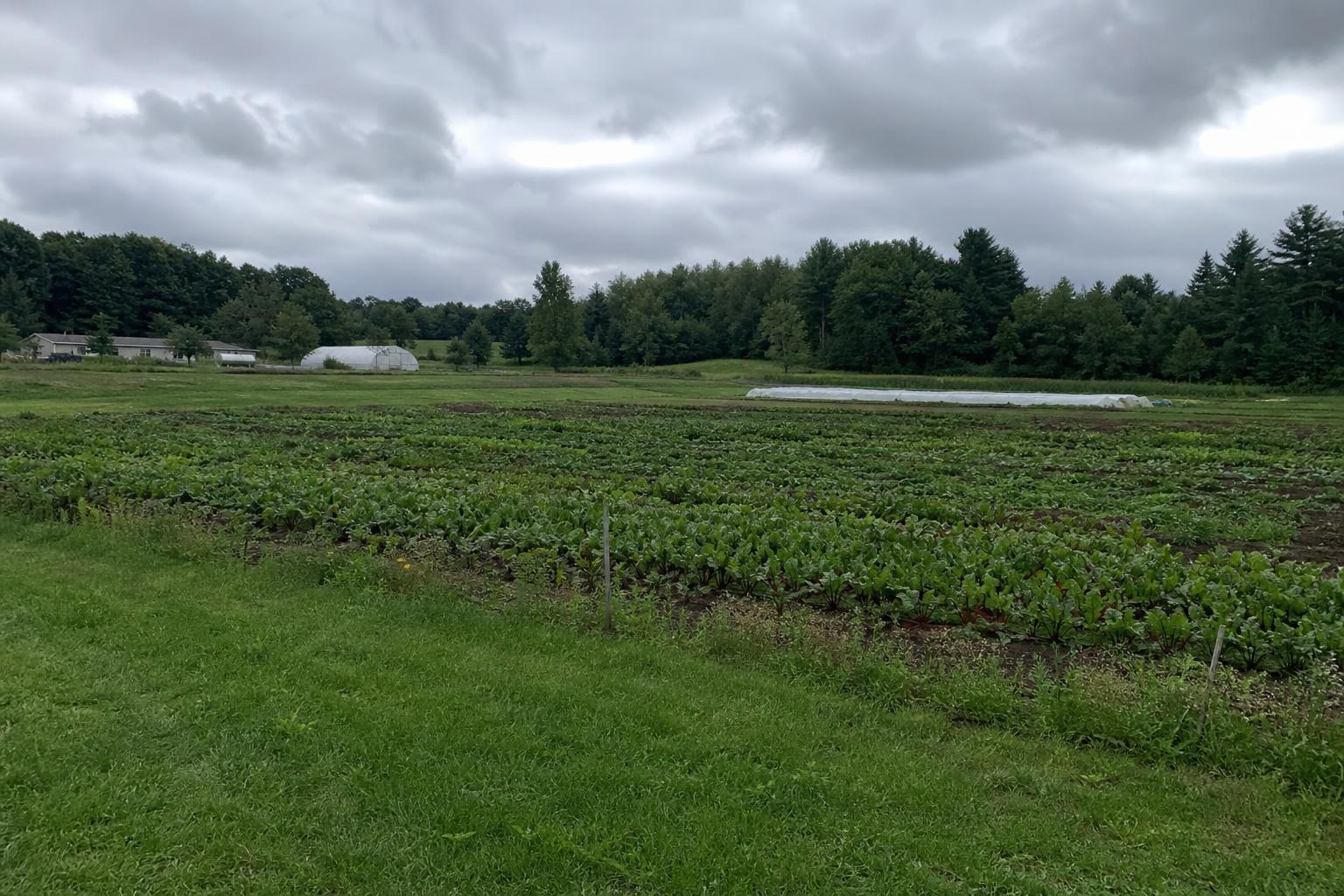
New Hampshire's agriculture sector faces evolving challenges as climate and policy changes reshape the landscape. Farmers are adapting to extreme weather patterns and navigating legislative pressures, ultimately shaping the future of agricultural practices in the state.
Weather Extremes and Farm Viability
New Hampshire farmers are no strangers to the impacts of severe weather. Recent conditions have highlighted the necessity for adaptability and resilience. With alternating periods of drought and heavy rainfall, crop yields and soil health are particularly affected. Farmers must adopt innovative irrigation techniques and soil conservation practices to mitigate these impacts, as noted in our analysis of Connecticut's agricultural challenges.
Policy Implications: Pesticides and Regulations
State policies on pesticide use have garnered attention, with recent legislative sessions backing away from proposed bans on insecticide-coated seeds. This development provides temporary relief for corn and soybean producers, but ongoing debates underscore the potential for future regulatory shifts. Attention to sustainable practices remains crucial as environmental standards are reassessed.
Market Dynamics and Agricultural Practices
The market for certain crops, such as barley, reflects broader agricultural trends. Despite past market weaknesses, improvements are on the horizon, aligning with national patterns observed in the growing markets of other states like Indiana, which showcase successful adaptations that New Hampshire could emulate.
Promoting Local and Sustainable Agriculture
Farmers are increasingly turning to local markets to sustain their livelihoods. Emphasizing environmentally friendly practices and community-supported agriculture (CSA) models not only supports local economies but also fosters resilience against market volatility. As New Hampshire navigates policy changes, these initiatives become critical for sustainable agricultural development.
What it means for the market
The adaptability of New Hampshire’s agricultural sector is essential as it confronts climatic and policy challenges. By embracing new techniques and focusing on local and sustainable practices, farmers can safeguard against future uncertainties. Preparation and strategic planning will play pivotal roles in ensuring both current viability and long-term success.