
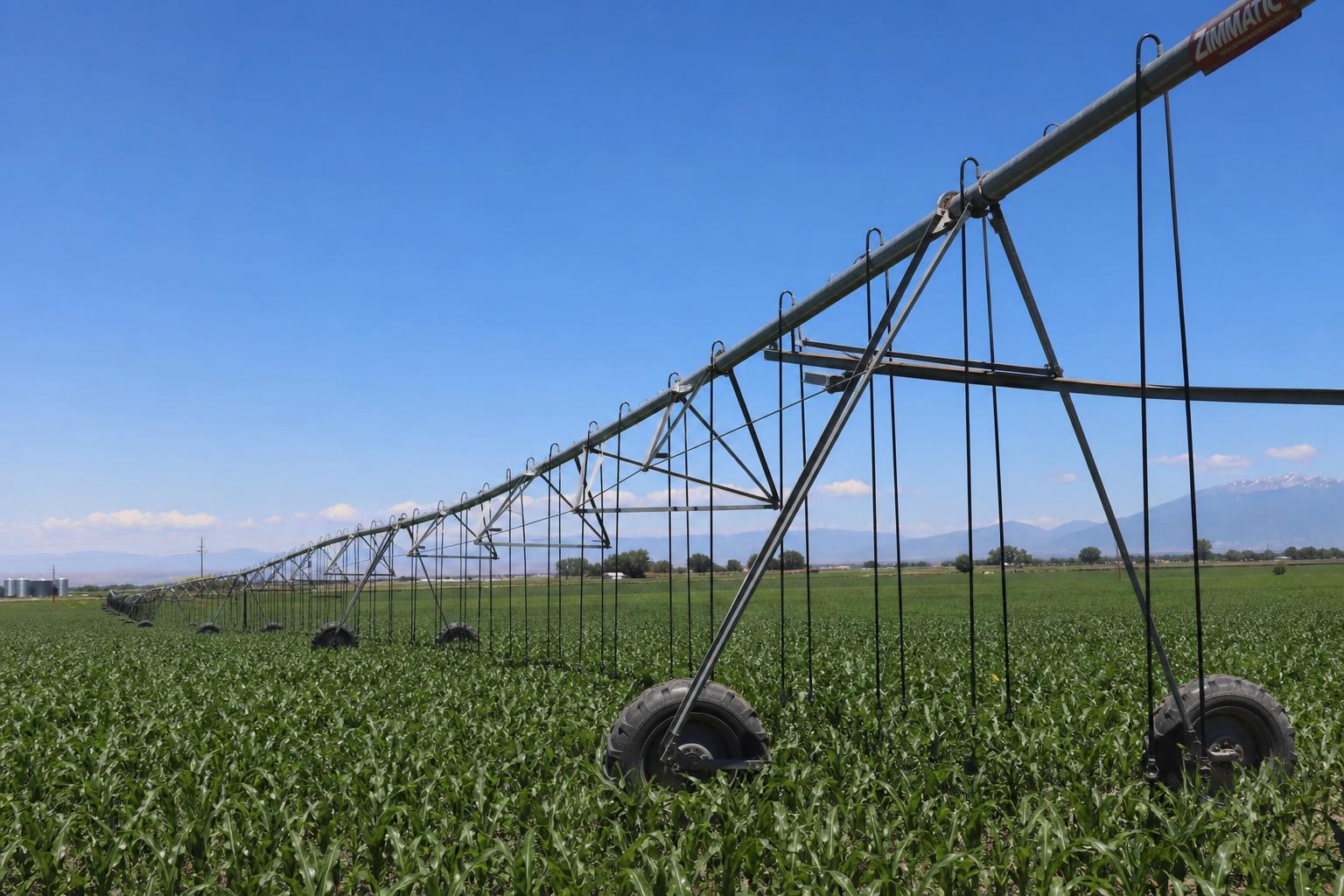
As summer unfolds in Utah, the state's agricultural sector faces both familiar challenges and promising opportunities. Efficient water management and sustainable practices remain key areas of focus, given the ongoing drought. Simultaneously, new market trends and technological advancements present avenues for growth and diversification.
Water Management Strategies
Water scarcity continues to impact Utah's agriculture, prompting farmers to explore innovative strategies. The use of wool as a natural mulch has gained attention for its effectiveness in conserving soil moisture and improving crop resilience. This method is not only eco-friendly but also helps retain vital resources during dry periods.
Technological Innovations
Farmers in Utah are increasingly adopting technology to enhance productivity and efficiency. Precision agriculture tools, like drones and soil sensors, are becoming integral in managing water usage and crop health. These technologies provide detailed data, allowing for more informed decision-making and resource optimization.
Market Expansion Opportunities
Localized farming and organic produce have seen a surge in consumer demand. This trend is not only beneficial for small-scale farmers but offers potential for larger operations looking to diversify. Innovative approaches in crop management can drive this market shift, enhancing economic stability for Utah's agricultural community.
For a detailed exploration of these dynamics, Utah Agriculture Market: Facing New Challenges and Opportunities provides valuable insights.
Collaborative Community Efforts
Community engagement and knowledge sharing remain pivotal. Farmer cooperatives are playing a crucial role in facilitating resource exchange and sustainable practices. Workshops and educational programs are fostering an environment where innovative ideas thrive, ensuring collective progress.
What it Means for the Market
Utah's agricultural market is poised for adaptive strategies that marry resource conservation with technology. As the summer season progresses, maintaining a balance between innovative practices and resource efficiency will be crucial. Stakeholders should continue fostering collaborations to unlock the full potential of these emerging opportunities.