
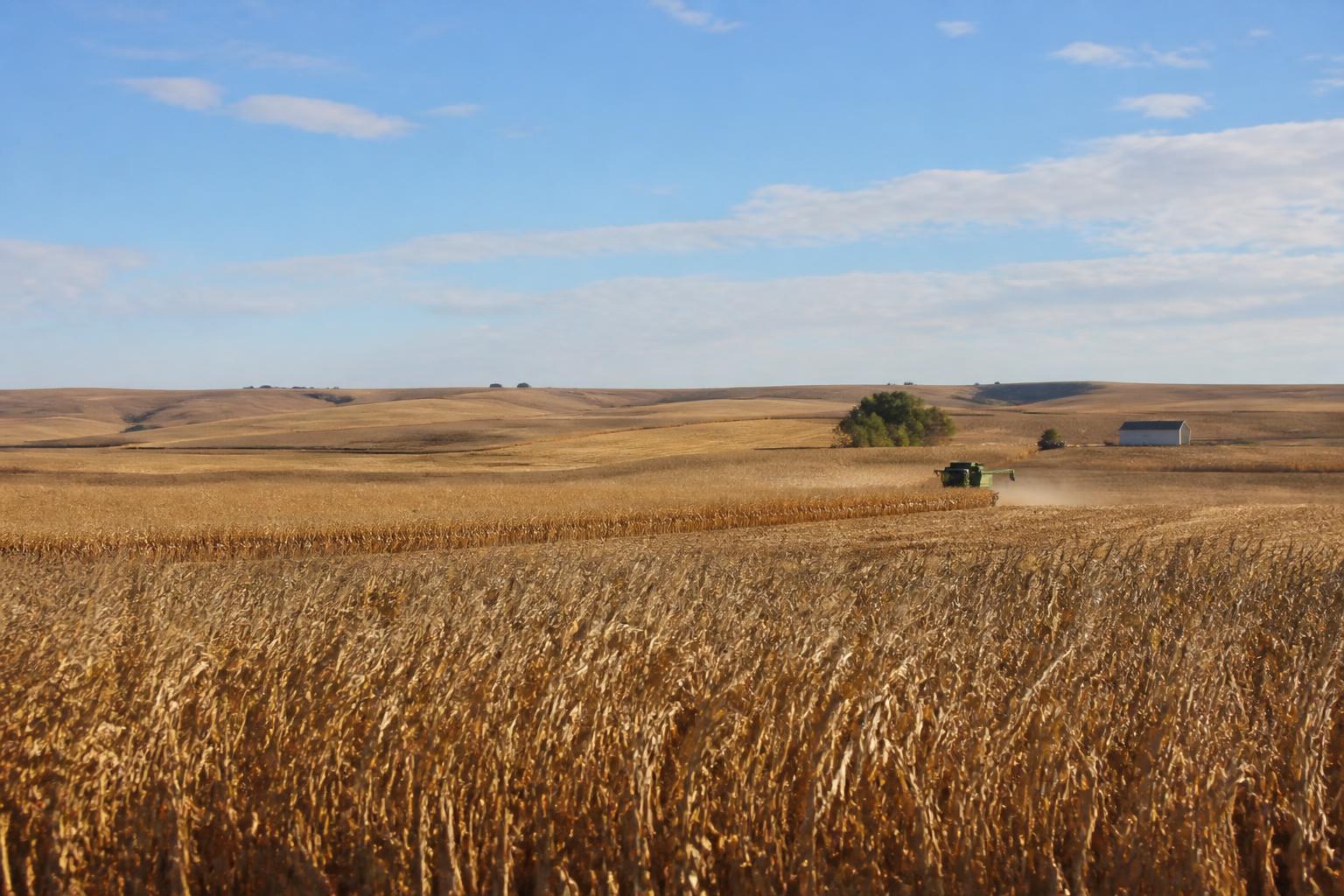
As the fall harvest gains momentum across the North Dakota plains, the agricultural landscape remains a mix of resilience and strategic adaptation. Producers throughout the state are currently navigating a complex economic environment, where fluctuating input costs and shifting land values require careful planning. While market volatility continues to be a central theme in many regional discussions, the focus for most operators remains on maximizing throughput and managing the logistical demands of the current season.
Infrastructure and Logistical Advancements
Efficiency at the elevator remains a top priority for North Dakota growers. Recent reports indicate that key players are investing in infrastructure upgrades, such as terminal expansions, to better handle grain volume. These improvements are critical for maintaining the fluidity of the supply chain, particularly as rail networks work to connect inland production hubs to coastal export points. Optimizing harvest logistics continues to be a primary lever for producers looking to mitigate the impact of market uncertainty.
Managing Inputs and Land Economics
Beyond the field, the financial health of regional operations is being influenced by broader trends in land values and cash rents. While some sectors have seen record highs in valuation, others are adjusting to more moderate growth patterns. Producers are increasingly exploring alternative nutrient management strategies, including the use of manure as a supplemental fertilizer, to navigate the unpredictability of input markets. This trend is further supported by the introduction of new digital tools designed to provide greater visibility into the movement of fertilizer and grain shipments.
What it means for the market
For North Dakota agribusinesses, the coming months will likely hinge on the ability to balance operational efficiency with risk management. As the harvest progresses, keeping a close watch on regional logistical capacity and secondary input options may provide a competitive edge. The combination of targeted infrastructure investments and a cautious approach to fixed costs positions the region to better withstand current fluctuations in the global grain trade.
Comments
No comments yet - be the first to share your take.