
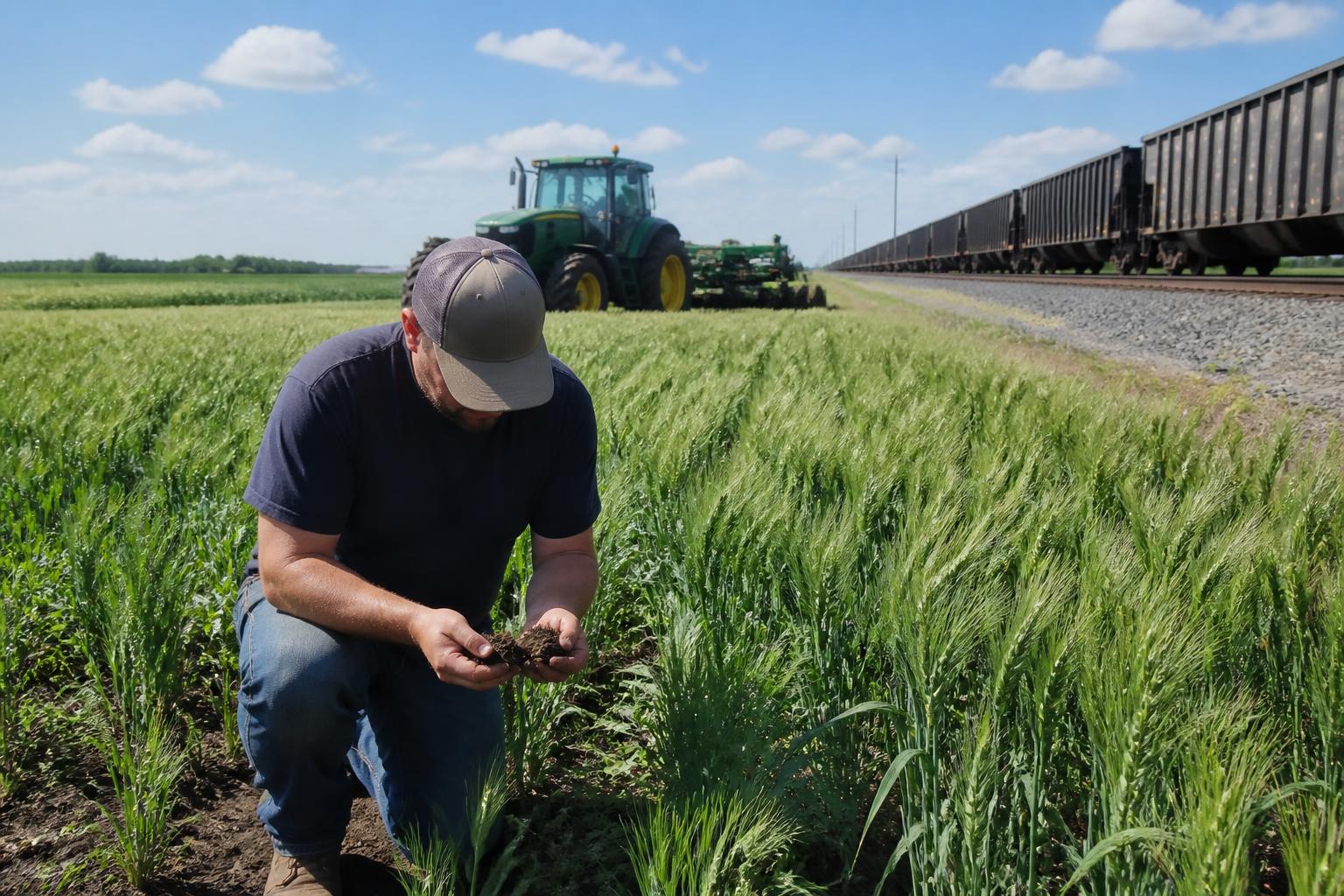
As the summer heat settles across the Red River Valley and southern Minnesota, grain producers and elevator operators are facing a complex matrix of agronomic quality concerns, transportation bottlenecks, and long-awaited legal resolutions. From field-level management to terminal logistics along major regional rail corridors, navigating these volatile dynamics is critical for protecting profit margins this season.
With futures markets experiencing downward pressure, local cash basis and quality premiums are taking center stage. Farmers are adjusting their marketing and storage plans to cope with physical supply chain friction while seeking pathways to offset rising operational costs.
Quality Volatility in Upper Midwest Wheat
One of the most pressing concerns for regional wheat growers is the threat of low falling numbers. A low falling number indicates sprout damage and high enzyme activity, which severely degrades the milling and baking quality of the crop. This issue can trigger steep discounts at the elevator, disrupting marketing plans for spring wheat producers who rely on premium milling grades to maintain profitability.
In response to these persistent crop quality risks, breeding programs continue to deliver specialized genetics for the region. The newly introduced hard red spring wheat variety, "MN-Torgy", is gaining attention for its strong straw strength, offering growers a tool to combat lodging and maintain standing quality during variable summer weather. Selecting resilient varieties is just one piece of the puzzle; local producers are also actively managing input consolidation and bear market strategies to keep overall production costs in check while protecting grain quality.
Rail Delays and Legal Breakthroughs in Logistics
Logistical disruptions continue to chew into agricultural margins. Systemic railroad delays have cost upper Midwestern agricultural businesses and elevators millions of dollars in lost efficiency, demurrage fees, and missed export windows. These transport bottlenecks prevent grain from moving fluidly to terminal markets, keeping local basis levels under pressure even when national futures fluctuate.
However, there is critical relief for a segment of regional organic and specialty growers. Following the high-profile collapse of Pipeline Foods, a bankruptcy judge has officially cleared the way for affected farmers to sell their undelivered grain. This ruling provides long-awaited financial closure, allowing producers to liquidate trapped inventory and recover essential working capital during a tight commercial marketing window.
Adaptation and Innovation Keep Input Dollars Local
Faced with volatile global markets, Minnesota agribusinesses and research institutions are focusing on regional self-reliance and premium capture. Key developments driving this shift include:
- Local Seed Sector Resilience: Longstanding agricultural pillars like the Albert Lea Seed House continue to adapt to consolidated retail landscapes, focusing on diverse, climate-hardy seed options for local crop rotations.
- Green Ammonia Research: A University of Minnesota green ammonia project aims to produce nitrogen fertilizer locally using renewable energy, keeping vital input dollars within the state and shielding farmers from global energy spikes.
- Conservation Premiums: The Minnesota Agricultural Water Quality Certification Program is helping certified farms secure premium pricing and specialized financial incentives, demonstrating that verified conservation practices can translate directly to the bottom line.
Key Takeaways for Minnesota Operators
- Monitor Falling Numbers: Test wheat early to identify potential milling quality issues and prevent mixed-bin contamination at harvest.
- Audit Rail Timelines: Coordinate closely with local elevators to align on-farm hauling schedules with actual railcar availability.
- Leverage Value-Added Certifications: Explore state water quality certification programs to unlock additional market premiums and financial aid.
What it means for the market
For Minnesota corn, soybean, and wheat players, the current market demands extreme operational efficiency. While transportation delays and quality discounts present ongoing challenges, the resolution of historical grain contracts and the emergence of regional input alternatives provide localized stability. Operators who focus on grain quality preservation and flexible transport solutions will be best positioned to protect their margins as harvest approaches.
Comments
No comments yet - be the first to share your take.