
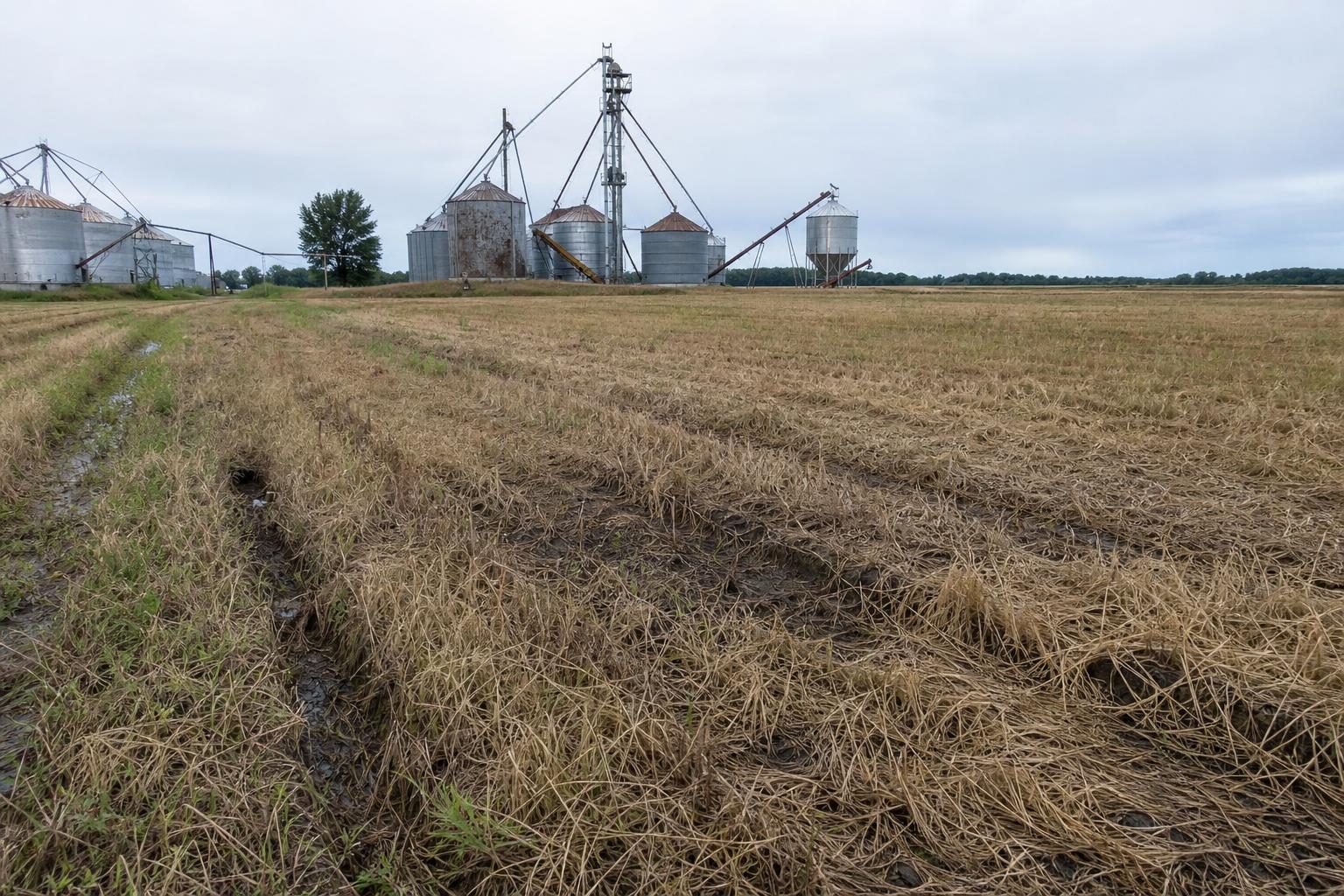
Arkansas is experiencing a dynamic year in agriculture, facing both challenges and opportunities in the market. As one of the leading states in rice and soybean production, the changes in these sectors have wide-reaching implications for local farmers and the broader U.S. market. Recent fluctuations in rice acreage, alongside strategic international investment, are shaping the future landscape of Arkansas agriculture.
Decline in Rice Acreage
The reduction in rice acreage in Arkansas is a reality that many farmers are grappling with. Reports indicate that this decline is leading to some grain dryers across the state closing due to reduced demand. These closures could affect the efficiency of rice harvesting and processing, presenting logistical challenges for farmers looking to market and sell their crops within optimal timeframes.
International Investments
In a bid to bolster the agricultural sector, Arkansas has secured a multi-billion-dollar investment from Taiwanese buyers. This agreement includes significant purchases of Arkansas corn and soybeans, potentially offsetting some losses from declining domestic demand and pricing pressures in these markets. This commitment offers stability and opens new trading avenues, which could be a game-changer for Arkansas producers.
Corn and Cotton Losses
A recent analysis by the University of Arkansas Division of Agriculture highlights expected losses in corn, cotton, soybeans, and rice over the next few seasons. While these projections are troubling, they also underscore the importance of diversifying crops and seeking alternative markets to mitigate risk. These adjustments could help farmers remain resilient amid ongoing economic uncertainties.
Shifting to Soybeans
With rising urea prices, many Arkansas farmers are considering shifting more acreage to soybean cultivation. This move is seen as a way to maintain profitability, given the cost advantages compared to other crops. However, it will be critical for producers to monitor global demand trends to ensure this shift aligns with market needs.
For further insights into adapting business strategies in agriculture, you might consider reading about current trends and future opportunities in other regions.
What it means for the market
The evolving agricultural landscape in Arkansas presents both obstacles and opportunities. Farmers must stay informed and adaptable, leveraging international trade deals to their advantage while pivoting crop strategies to balance input costs and market demand. The next few years are pivotal for Arkansas's agricultural sector, necessitating strategic decisions to secure growth and sustainability.