
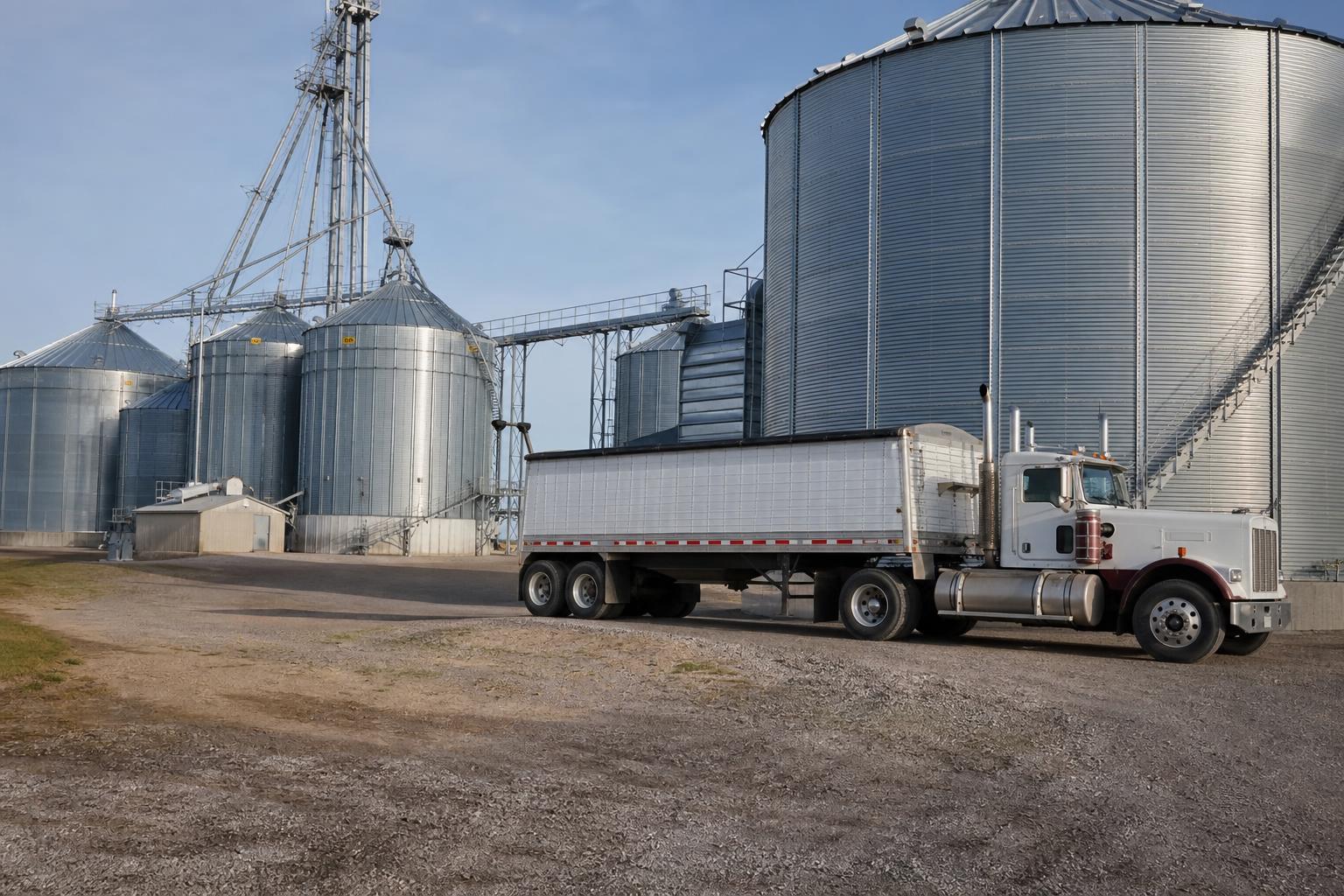
U.S. grain markets remain a local execution story as much as a futures story. For corn, soybeans and wheat, the next selling decision depends on how crop report expectations line up with basis, export demand signals, freight availability and the cost of holding grain.
For farmers and elevators, the key is to avoid treating stored bushels as a passive position. Basis improvement, carry in the futures market and available bin space should be compared against interest, shrink, handling and quality risk before delaying movement.
Crop reports keep the market anchored
USDA crop and grain reports remain the reference point for supply expectations, even when local cash markets move differently from national headlines. Acreage, yield, production, stocks and condition updates can reset futures spreads quickly, but the cash impact depends on where grain is located and how urgently buyers need coverage.
Producers should separate two questions: what the report may do to futures, and what local buyers are already bidding for nearby delivery. A bearish futures move can still leave selected locations with firm basis if processors, feed users or export channels need grain in a specific draw area.
Basis is the working signal for nearby bushels
Basis deserves close tracking at elevators, river terminals, ethanol plants, soybean processors and feed mills. A stronger basis can reward quick delivery even when board prices feel unimpressive. A weaker basis can signal congestion, slower demand or limited handling space.
Do not compare bids only by posted price. Net out trucking distance, wait time, moisture discounts, grade risk and payment terms. In some cases, a lower bid with faster unloads and fewer discounts can beat a higher bid that ties up trucks or creates quality exposure.
Freight timing matters here. If rail, barge or truck capacity tightens, local bids can change before futures give a clear signal. For more on transportation timing, see the AgroPost U.S. Grain Logistics Brief.
Exports and domestic demand are not the same bid
Export demand can support movement through river, Gulf and Pacific Northwest channels, but not every county feels that pull at the same time. Interior processors, livestock feeders and ethanol plants may set the stronger bid in some regions, while export corridors lead in others.
Grain handlers should watch whether nearby bids are being led by export slots, processor coverage or elevator space management. That distinction helps decide whether to sell spot bushels, set basis, roll hedges or hold for a later delivery period.
Storage should earn its keep
On-farm storage gives sellers flexibility, but it has to compete with the market. Holding grain makes more sense when expected basis improvement and futures carry can cover storage costs, interest, handling and quality risk. If the market is not paying enough to wait, moving grain can free cash and bin capacity for the next marketing step.
Quality management is part of the storage decision. Corn, soybeans and wheat each carry different moisture, temperature and grade risks. A small basis gain can disappear quickly if grain needs additional handling or faces quality discounts at delivery.
Key takeaways for grain sellers
- Track local basis daily: futures do not tell the full cash market story.
- Compare net bids: include freight, unload time, moisture, grade and discounts.
- Make storage prove value: expected carry and basis gains should exceed holding costs.
- Know the demand source: export pull, processing demand and feed demand can create different selling windows.
- Keep logistics in the plan: freight availability can shape basis before it shows up in wider market commentary.
For a broader comparison of cash grain decision points, AgroPost recently covered similar themes in U.S. Grain Market Brief: Basis, Exports and Bin Space Drive Next Selling Decisions.
What it means for the market
The practical opportunity for U.S. grain sellers is to market stored bushels with discipline, not hope. Watch crop report risk, but make decisions against local basis, verified freight costs, delivery windows and storage economics. In a market where national futures and local cash bids can send different signals, the best sale may come from knowing which buyer needs grain, when they need it and what it costs to get it there.