
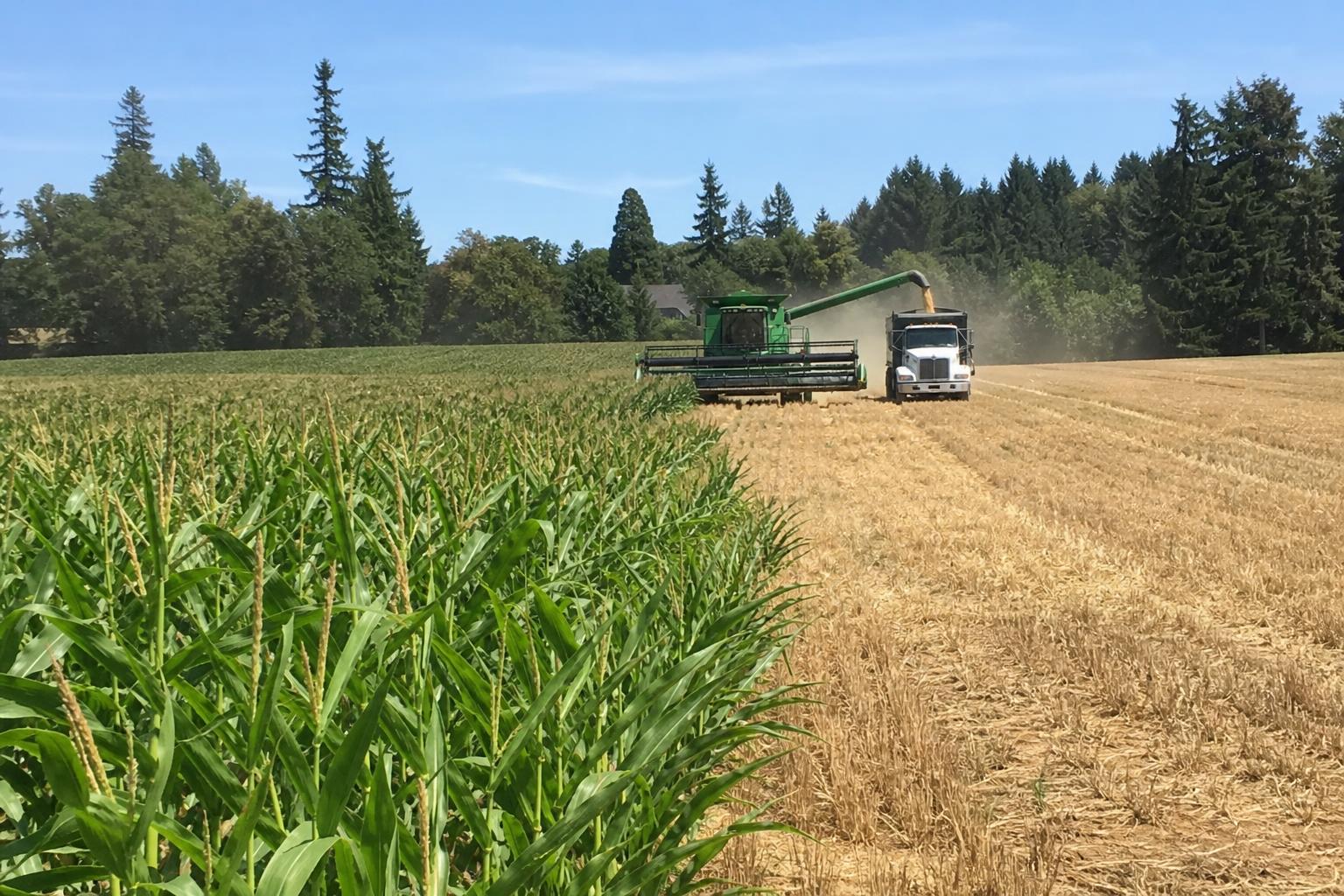
As the summer of 2026 unfolds, Oregon's wheat and corn markets face significant pressures. Stakeholders are keenly observing price trends, amidst broader economic challenges that affect the agricultural sector nationwide.
Price Pressures and Market Conditions
Recent reports indicate that prices for wheat, corn, and soybeans are currently below breakeven, marking a concerning trend for the fourth consecutive year. This sustained drop presents substantial difficulties for Oregon farmers, who need to navigate these financial challenges while maintaining production levels. Market adjustments and cost management become crucial strategies during these times.
Impact on Oregon's Agriculture
Given the prominence of grain crops in Oregon, the current price trends necessitate a focus on efficiency and cost-effective practices. Many farmers are being urged to adopt innovative techniques and technologies that can help mitigate costs. Partnerships and knowledge sharing within the community are also essential for adapting to these challenges.
Adapting to the Economic Climate
Meanwhile, organizations and local cooperatives are actively seeking avenues to support farmers. This includes advocating for policy adjustments and lobbying for better market access at regional and national levels. Engagement with initiatives like new USDA support programs is also recommended to help cushion financial strains.
Internal Strategies and Resource Optimization
Internally, optimizing farm operations and considering diversification into other crops or livestock can also provide a buffer against financial pressures. Focusing on resource conservation practices and sustainable farming methods can ultimately contribute to long-term financial health.
For additional insights on navigating agricultural markets during challenging times, read how Oregon is handling trade tensions and growth opportunities.
Explore broader U.S. market updates to understand how national trends correlate with local situations.
What it means for the market
Oregon's wheat and corn market must continue to evolve amidst financial and environmental challenges. By leveraging community support, modern technologies, and policy initiatives, farmers can seek out viable paths to sustainability and profitability. Staying informed and adaptable remains essential for success in these dynamic conditions.