
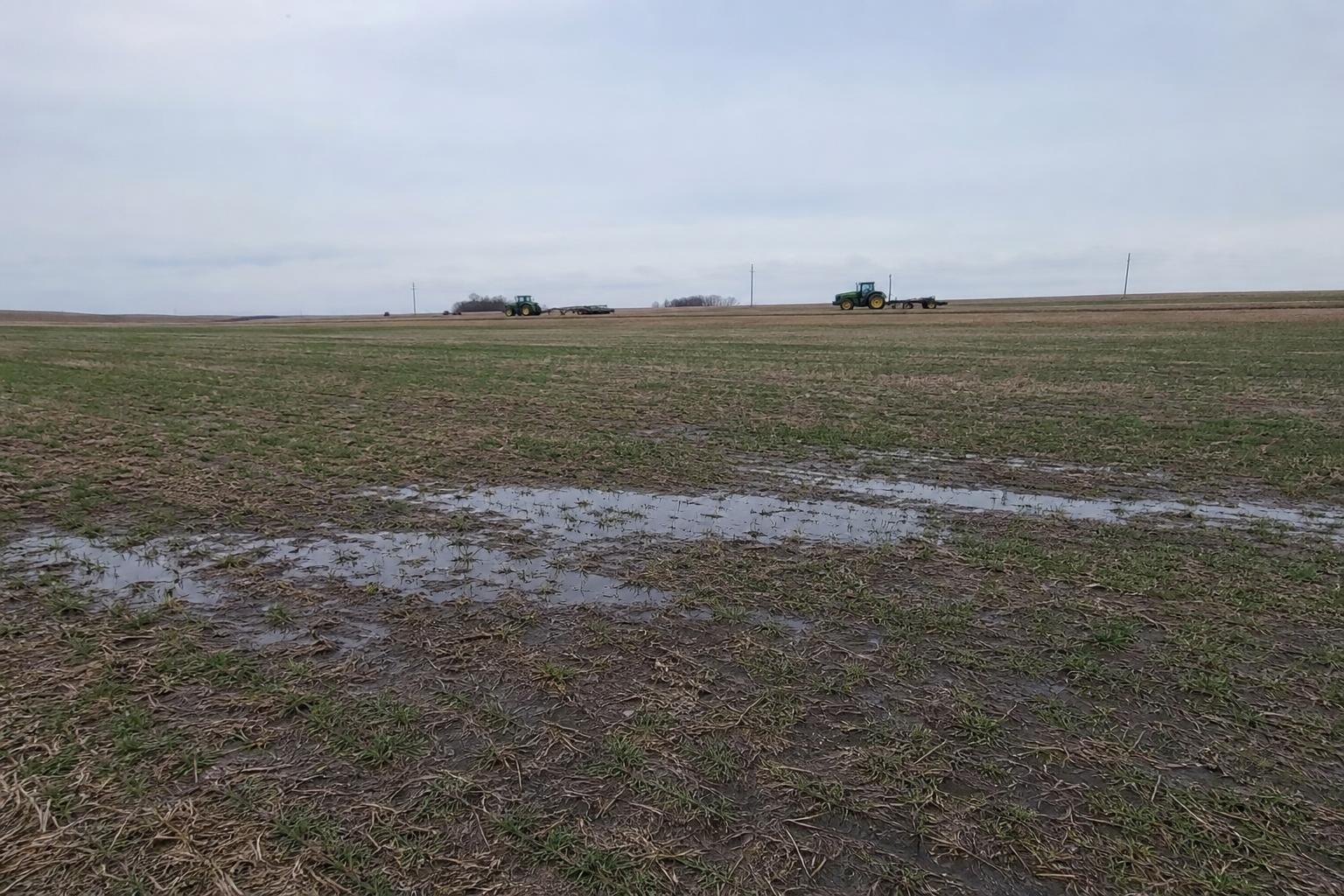
South Dakota's wheat farmers are currently facing a unique set of challenges due to this year's cool and wet weather conditions, which have delayed planting and affected crop development cycles. These environmental factors, combined with fluctuating market prices, are urging farmers to reassess their strategies to maintain profitability.
Weather Impacts on Wheat Crop
The recent precipitation in South Dakota has led to delays in planting, raising concerns among farmers about potential yield losses. The moisture, although initially beneficial for some crops, risks creating waterlogged conditions, which can hinder growth and increase disease susceptibility in wheat plants.
Economic Challenges
In addition to weather adversities, economic pressures are mounting. Current market prices for wheat are impacted by both local and global factors, leading to tougher times for growers. With prices lower than average, farmers are exploring innovative marketing strategies to stay competitive. Explore how Illinois is tackling similar challenges to gain insights.
Adjusting Marketing Strategies
Farmers are closely evaluating their marketing tactics to mitigate risks. Many are considering contracts and forward pricing to secure better deals despite market volatility. This proactive approach is seen as essential for preserving margins in a tough economic climate. For example, some growers are looking at diversifying their crop rotations to include more resilient and profitable options.
Community and Industry Support
Support from local cooperatives and industry experts has been significant. Educational events, such as field days organized by local agricultural bodies, offer farmers updated insights and strategies to tackle current issues effectively.
Additionally, developments like new processing facilities are expected to boost the local economy, offering alternative outlets and value addition that can benefit growers indirectly.
For example, the recent opening of a soybean processing plant highlights the region's capacity to adapt and grow its agricultural processing capabilities.
What it Means for the Market
As South Dakota's wheat farmers navigate these challenges, the response will likely dictate the future stability of the wheat market in the state. Those who can adapt through strategic planting, marketing, and leveraging available resources may find success despite adverse conditions. Continued cooperation and innovation remain critical in determining the region's overall agricultural success. Understanding similar dynamics in other regions, such as Montana's approach to high costs and exports, could provide further valuable lessons.