
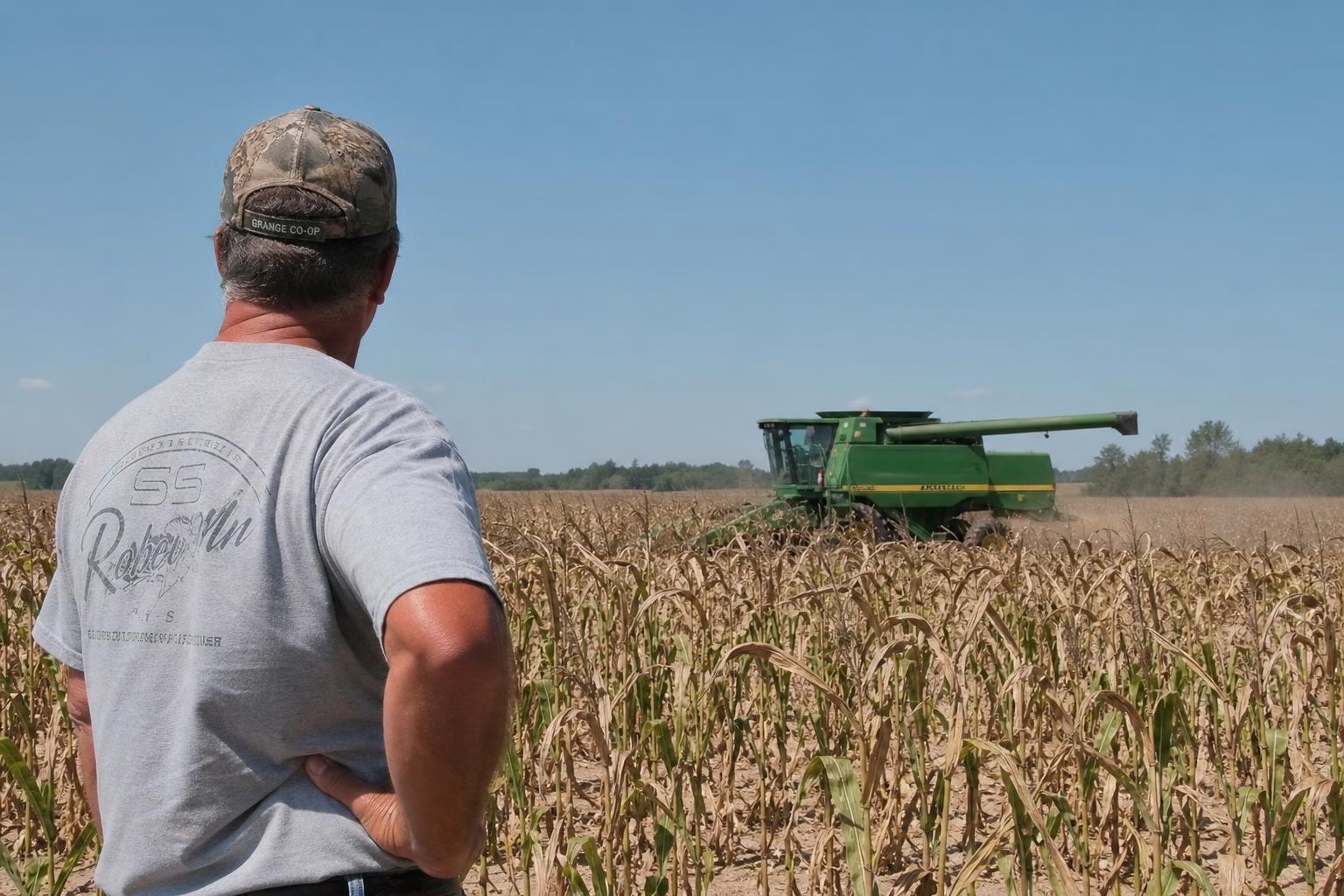
Alabama's corn market is entering a dynamic phase in 2024, with regional demand shifts and evolving agricultural practices shaping the landscape. Farmers and agribusinesses are challenged to adapt quickly to these changes to maintain competitiveness and profitability.
Regional Trends Impacting Alabama's Corn Market
In recent years, Alabama has seen an increase in demand for corn, driven by both domestic consumption and export opportunities. As noted in our review of Alabama's evolving corn market, efficient management practices and strategic market positioning will be paramount as this trend continues. The adoption of new technologies and hybrid seed varieties can improve yield, crucial for meeting market demands.
Efficient Practices: The Key to Success
Efficient corn production practices, such as timely side-dressing, are becoming increasingly important. By optimizing fertilizer application stages, farmers can maximize corn potential during critical growth periods, contributing to improved yields and reduced input costs. This practice aligns with broader trends highlighted in successful farming models across the South.
Exploring New Profit Pathways
As Alabama's agricultural strategies evolve, alternative crops such as winter canola are starting to gain traction. This can serve as a complementary revenue stream for farmers, balancing the risks associated with corn price volatility. Expanding into diverse crop management can build resilience, a theme expanded in key trends for 2024.
Adapting to Market Volatility
Market volatility is a constant in the grain sector, with seasonal price patterns frequently shifting. Farmers can leverage predictive market analysis and adaptive strategies to anticipate and respond to these changes effectively. For more adaptive strategies, see our coverage on strategic tips amidst volatility.
What It Means for the Market
Alabama's corn market in 2024 presents both challenges and opportunities for stakeholders. By leveraging efficient practices and exploring diverse crop options, farmers can mitigate risks associated with market volatility. Staying informed and adaptable will be key in navigating this evolving landscape effectively, ensuring long-term growth and sustainability.