
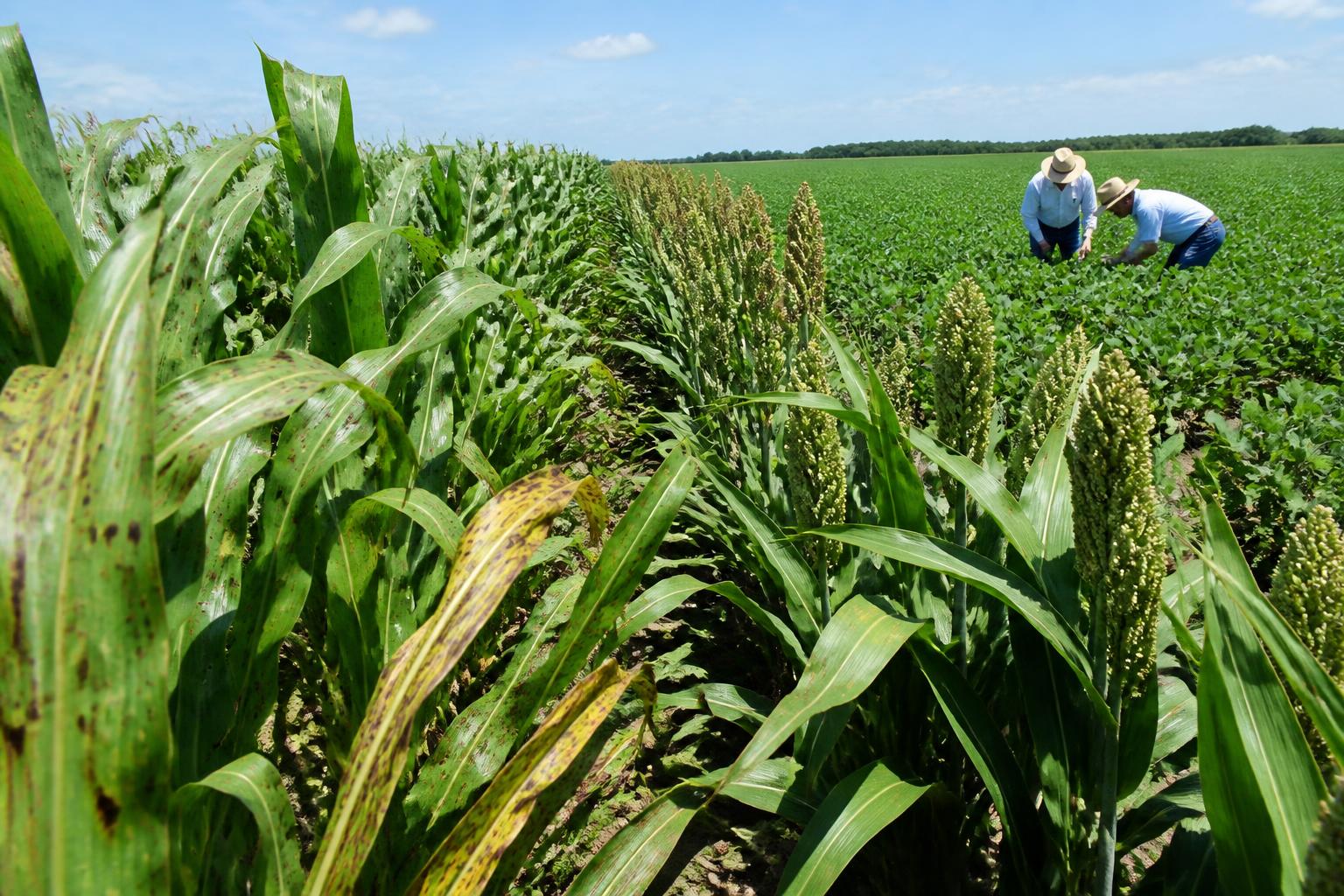
As the summer heat intensifies across the Great Plains, Nebraska grain producers are navigating a complex landscape of agronomic threats, shifting planting strategies, and evolving industrial demand. From corn diseases spreading through key counties to structural changes in supply infrastructure, Nebraska's agricultural sector is adapting to ensure productivity and profitability.
Disease Threats and Agronomic Resilience in Corn Country
One of the most pressing agronomic concerns for Nebraska corn growers this summer is the detection of Tar Spot, which has now been confirmed across 14 Nebraska counties. This fungal disease poses a significant threat to yield potential if left unmanaged, requiring vigilant scouting and timely fungicide applications. The rise of Tar Spot comes at a time when producers are already managing soil health to combat moisture stress, focusing on maintaining strong soil structure as a foundation for crop resilience. These agronomic battles highlight the ongoing need to balance crop protection with cost management, a theme heavily featured in our recent Nebraska summer market update.
Shifting Acres: Sorghum and High-Oleic Soybeans
In response to changing weather patterns and market demands, some Nebraska farmers are diversifying their crop portfolios. Sorghum plantings may be on the rise across the state, offering a hardy, drought-tolerant alternative to traditional dryland crops. At the same time, the state's soybean sector is evolving with the successful integration of specialty varieties. Nebraska soybean growers have begun adopting and harvesting high-oleic soybean crops, opening doors to premium oil markets and specialized industrial applications. Managing these diverse crops requires careful planning, particularly when dealing with tight margins and high input costs, as detailed in our guide on navigating the Nebraska summer market outlook.
Industrial Demand, Input Infrastructure, and Trade Concerns
On the industrial front, Nebraska's grain market continues to be anchored by its robust ethanol sector. A recent study highlights that Nebraska's ethanol industry continues to expand, maintaining steady local demand for corn supplies even as global trade uncertainties persist. However, securing the necessary inputs to feed these crops remains a challenge. A major fertilizer project in Gothenburg recently became a key focal point during a Senate hearing, highlighting widespread concerns over fertilizer supply security and domestic production capacity.
Furthermore, broader geopolitical issues continue to weigh on the minds of grain operators. Some local producers have voiced concerns that current trade tensions and regulatory uncertainties mirror the export challenges of the 1980 Russian grain embargo. Navigating these macro factors alongside regional logistical hurdles remains essential for maintaining profitability in Nebraska's agricultural landscape.
Key Takeaways for Nebraska Grain Producers
- Scout for Tar Spot: Active monitoring is critical in the 14 affected Nebraska counties to prevent significant corn yield losses.
- Explore Crop Diversification: Rising interest in sorghum and high-oleic soybeans presents new risk management opportunities.
- Track Supply Chain Trends: Fertilizer developments, such as the Gothenburg project, and the expanding ethanol sector will continue to influence local basis and input pricing.
What it means for the market
For Nebraska's agribusinesses and grain elevators, the summer of 2026 demands a highly adaptive management style. The expanding ethanol footprint ensures a solid baseline demand for regional corn, but growers must actively protect their yield potential against emerging diseases like Tar Spot. By staying informed on input supply developments and exploring drought-resilient crops like sorghum, Nebraska producers can better position themselves against volatile global markets and unpredictable seasonal weather.
Comments
No comments yet — be the first to share your take.