
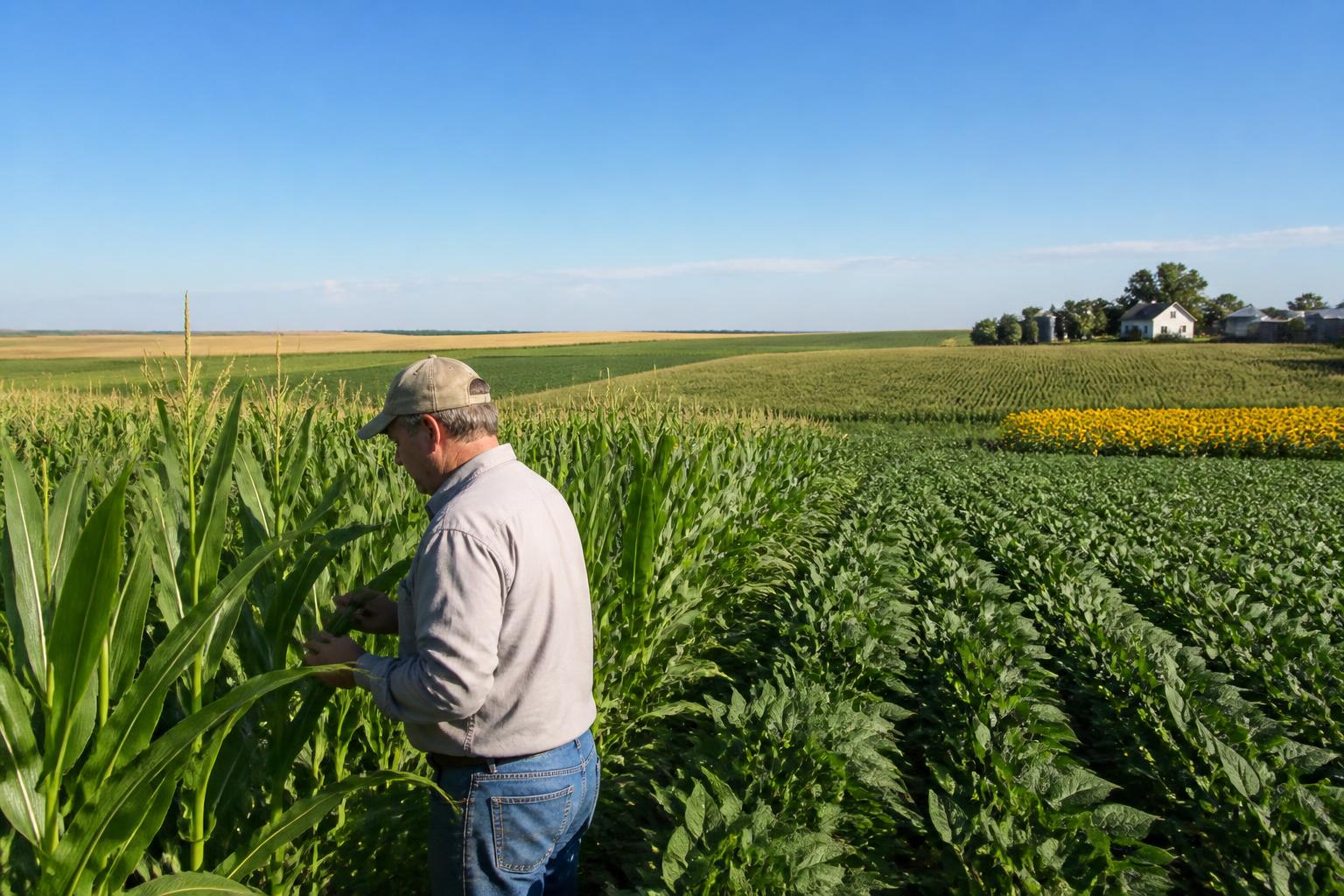
As summer settles across the Great Plains, North Dakota grain elevators and producers are shifting their focus to seasonal logistics and crop development. Managing the state's diverse grain production requires a constant balancing act between local transportation capacity and volatile global markets. From the fertile Red River Valley to the drier western prairies, moving last year's remaining grain piles while preparing for the upcoming harvest remains a top priority for local agribusinesses.
With global trade patterns shifting and logistical corridors under constant pressure, North Dakota farmers are looking for ways to protect margins. Navigating these logistics alongside managing crop protection and input costs during the summer season has become essential to maintaining farm solvency in a high-expense environment.
Clearing the Piles: Rail Logistics and Local Basis
For years, North Dakota's vast agricultural footprint has been heavily dependent on rail infrastructure to move massive volumes of wheat, corn, and soybeans to Pacific Northwest ports and domestic processors. While the severe rail bottlenecks of the oil-boom era have generally eased, grain handlers still face localized challenges in moving large piles of grain efficiently. High logistics costs can quickly weigh down local cash prices, making rail car availability a critical metric for elevators throughout the state.
To help navigate these regional cash price fluctuations, many growers are turning to digital tools. Improved basis-tracking applications and modernized farm data reporting systems are starting to gain traction in the region. These tools allow producers to monitor local demand variations and make more informed decisions about when and where to haul their grain, especially during periods when national futures prices do not fully reflect local cash-market realities.
Global Headwinds and Geopolitical Uncertainty
North Dakota's export-dependent agricultural economy is highly sensitive to geopolitical disruptions. Unrest in the Middle East and ongoing international trade disputes continue to cast a shadow over both crop prices and input supply chains. Disruptions in global shipping lanes can quickly translate to volatile fertilizer prices and unpredictable export demand, leaving local producers vulnerable to sudden shifts in operating margins.
Furthermore, long-term climate and weather modeling from agricultural research agencies highlights potential shifts in corn and soybean yields across the Upper Midwest over the coming decades. In response to these shifting realities, organizations like North Dakota State University are partnering with research institutions to study the unique challenges faced by rural, remote, and indigenous communities, seeking to build greater economic resilience at the local level.
Key Takeaways for North Dakota Operators
- Watch local basis closely: Utilize available digital tracking tools and apps to monitor regional cash-basis variations before committing to grain deliveries.
- Monitor rail performance: Keep in close contact with local elevator managers to gauge rail car availability and avoid transport delays as summer grain movement continues.
- Plan for input volatility: Geopolitical tensions continue to threaten global supply chains, making early planning for future fertilizer and chemical needs a prudent risk-management strategy.
What it means for the market
For North Dakota's agricultural sector, the summer months are a critical window to clear storage space and secure transportation contracts. While structural improvements in regional rail networks have reduced the risk of catastrophic shipping backlogs, global market uncertainty and trade policy debates mean that volatility will remain high. Producers who actively monitor local logistics and utilize data-driven pricing tools will be best positioned to protect their bottom lines through the remainder of the marketing year.
Comments
No comments yet — be the first to share your take.