
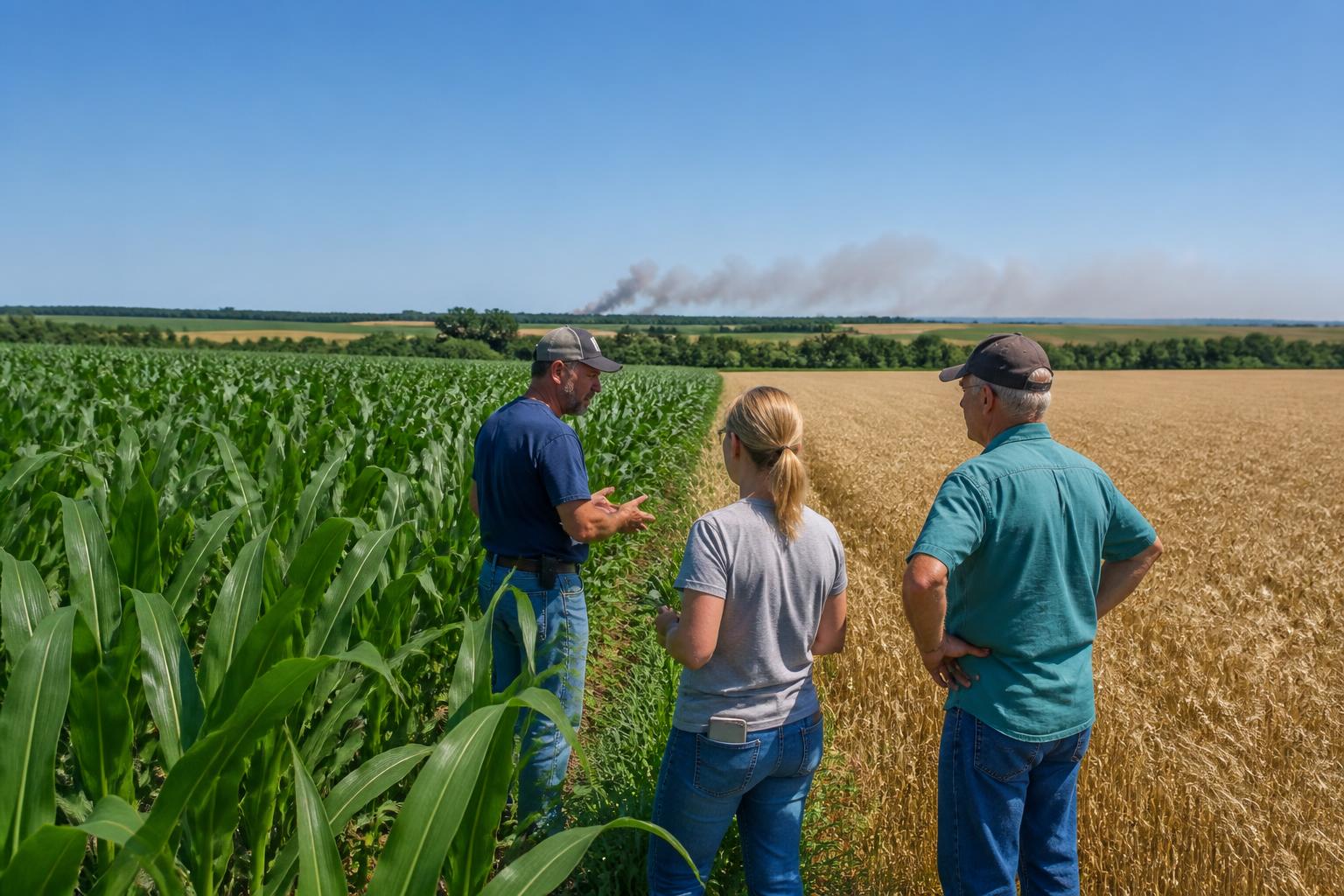
Nebraska crop growers are navigating a complex summer, balancing volatile global markets, packing plant disruptions, and fluctuating energy prices. With input costs remaining a primary concern for agribusinesses across the state, adopting advanced crop protection strategies has become a crucial avenue for defending tight farm margins.
To combat these economic pressures, local producers are increasingly turning to targeted application technologies and educational programs designed to optimize field management. By shifting away from uniform broadcast applications, operations are finding practical ways to trim expenses while maintaining weed control.
Precision Spraying Technology Delivers Significant Savings
A recent study by the University of Nebraska-Lincoln (UNL) highlights the substantial economic benefits of precision spraying. By utilizing sensors and advanced imaging to target only active weed growth rather than applying chemicals across entire fields, the study demonstrates that growers can achieve notable cost reductions on herbicides.
This targeted approach is particularly vital during seasons of tight operating margins, such as when dealing with the crop stress outlined in our summer Nebraska grain market update. Minimizing chemical waste not only reduces the upfront retail cost of inputs but also lowers the labor and fuel requirements associated with refilling and hauling water to the field.
Weed Science Education and State Support
To help growers adopt these technical strategies, the state continues to focus on educational outreach. Nebraska has scheduled an upcoming Weed Science School for January 29, aimed at providing growers and crop advisors with hands-on updates regarding herbicide resistance, application timing, and target-specific technologies.
Furthermore, broader agricultural initiatives support the pipeline of agronomic expertise in the state. Programs such as the University of Nebraska at Kearney (UNK) agribusiness program and various Nebraska Corn Board educational initiatives help prepare the next generation of ag professionals to manage complex modern crop protection systems.
Navigating Energy Volatility and Input Pressures
Managing the cost of applications is also closely tied to energy markets. Fluctuating oil prices continue to impact local transport costs and chemical production expenses, adding another layer of uncertainty to seasonal planning.
Producers facing high operational costs can offset some of these challenges by optimizing input use, especially as rising land values and summer drought pressures continue to squeeze overall profitability. Utilizing precision tools ensures that every dollar spent on chemical crop protection is used efficiently.
Key Takeaways for Nebraska Operators
- Targeted efficiency: UNL research confirms that precision spraying significantly cuts down on overall herbicide volumes and input costs.
- Educational opportunities: Upcoming local events like the Weed Science School on January 29 offer critical training on resistance management.
- Margin management: Lowering chemical use helps cushion the blow of volatile energy prices and logistics costs.
What it means for the market
For Nebraska's crop protection sector, the integration of precision spraying represents a permanent shift toward high-efficiency farming. As chemical and fuel costs remain sensitive to energy market shifts, the ability to selectively apply inputs will likely dictate farm profitability. Retailers and input buyers should prepare for a steadier shift toward specialized, lower-volume chemical purchasing, while custom applicators who offer precision-sensor services will likely see stronger demand from cost-conscious growers.
Comments
No comments yet - be the first to share your take.