
Washington state’s grain market is experiencing a shift marked by historically low prices and strategic infrastructure developments. These changes have fostered both challenges and opportunities for farmers in the region. As these dynamics unfold, stakeholders are keen to identify practical strategies to weather these conditions.
Current Market Conditions
Grain prices in Washington have hit some of their lowest levels in recent years, a trend impacting profitability across the sector. According to local economists, this price drop is driven by a confluence of factors including global supply fluctuations and changing international trade dynamics.
Infrastructure Developments
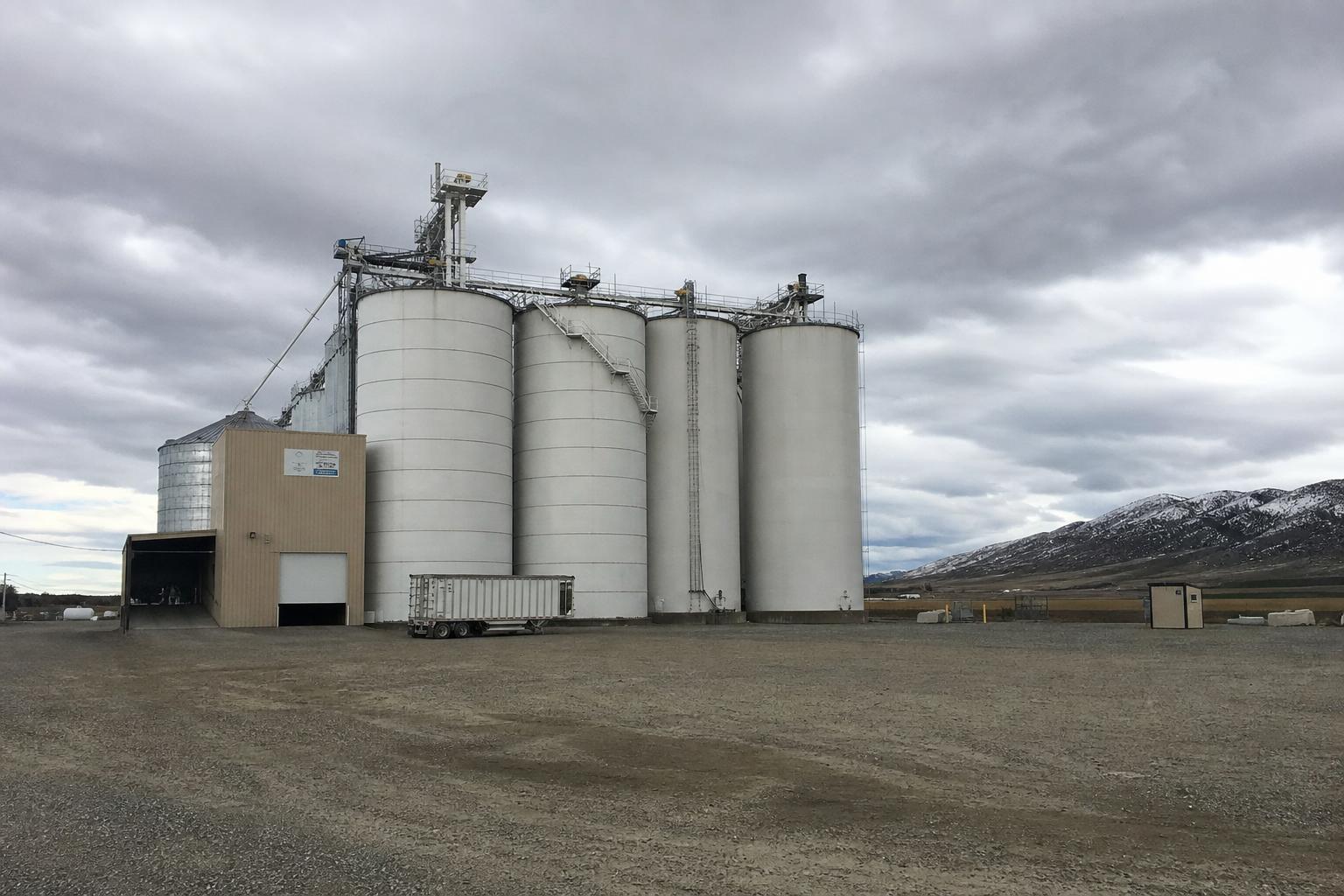
Despite these pricing challenges, Washington farmers have gained a strategic advantage with new infrastructure enhancements. Notably, Southwest Washington now benefits from an extensive grain storage facility, primed to support local agricultural logistics. This development promises to enhance grain handling efficiency and market accessibility, offering a buffer against price volatility.
Strategic Responses
The Washington Grain Commission has responded to the low pricing scenario by approving an $8.2 million budget aimed at bolstering local market strength and supporting research initiatives. These funds will be vital in enhancing grain quality and fostering sustainable practices that could improve market competitiveness.
Additionally, leveraging infrastructure such as the Snake River dams remains critical, providing irrigation and electricity that sustain the agricultural landscape.
Impact on Stakeholders
The recent infrastructure improvements and the continued financial support from the Grain Commission offer a lifeline to farmers. These developments enable stakeholders to better withstand economic pressures while positioning themselves for long-term market resilience.
For those maintaining competitiveness, exploring avenues such as diversifying crop outputs or tapping into niche markets may provide additional revenue streams.
What it Means for the Market
Washington's grain market is navigating a complex time involving low prices but promising infrastructure growth. The coming period will test the adaptability of farmers and stakeholders, but with strategic investments and enhanced facilities, there remains potential for a stable and flourishing agricultural market in the region. Continuous innovation and strategic market positioning will be key to seizing future opportunities.