
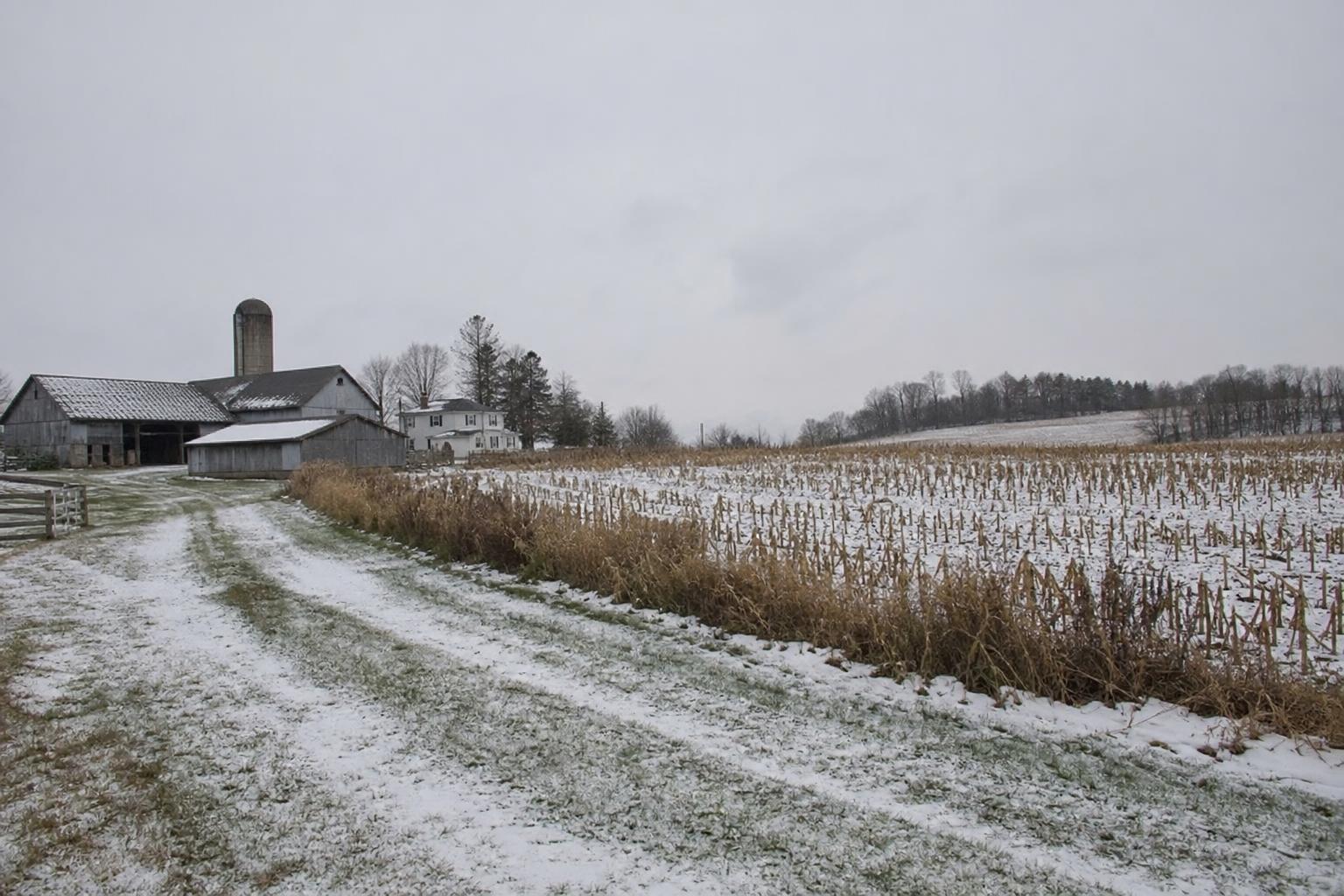
West Virginia's agricultural sector is facing a dynamic environment, shaped by unpredictable weather patterns and evolving market demands. This region, known for its rich farming traditions, is now navigating through challenges that require innovative solutions to sustain growth and productivity.
Weather-Driven Challenges
Recent climatic fluctuations, including unexpected freezing temperatures and heavy snowfall, have intensified the difficulties for farmers across West Virginia. Late-season frost and unpredictable snowfalls can damage crops, delay planting schedules, and affect yields. To manage these challenges, many local farmers are exploring weather-resistant crop varieties and adopting advanced agronomic practices.
Moreover, a recent spell of drought in the region underscores the need for comprehensive water management strategies. Experts encourage farmers to invest in efficient irrigation systems and explore alternative water resources. Further details on managing drought can be found in our coverage on drought conditions in West Virginia.
Market Dynamics and Opportunities
The agricultural market in West Virginia is also undergoing significant changes. With increasing demands for local produce, there's a growing opportunity for farmers to expand into niche markets. This shift is partly fueled by consumer interest in locally-sourced, sustainable products.
A recent legislative change has further enhanced opportunities for small operators with the expansion of the cottage food industry. This move encourages small-scale producers to engage directly with consumers, offering homemade and specialty goods without stringent regulatory constraints.
Strategic Adaptations
Farmers are responding to these market dynamics by diversifying their crop profiles and adopting direct-to-consumer sales models. Many are now leveraging farmers' markets, community-supported agriculture (CSA) programs, and online platforms to reach consumers directly.
At the same time, educational initiatives, like the WVU Extension Service’s Small Farm Conference, are equipping farmers with the knowledge and skills needed to adapt effectively to changing market conditions and climatic challenges.
What it means for the market
Adapting to these regional challenges requires a strategic approach that embraces both market opportunities and climate resilience. West Virginia's farmers are demonstrating resilience by adopting diversified strategies, ensuring they remain competitive and sustainable in a shifting agricultural landscape. These efforts not only safeguard current operations but also open new avenues for growth and profitability.