
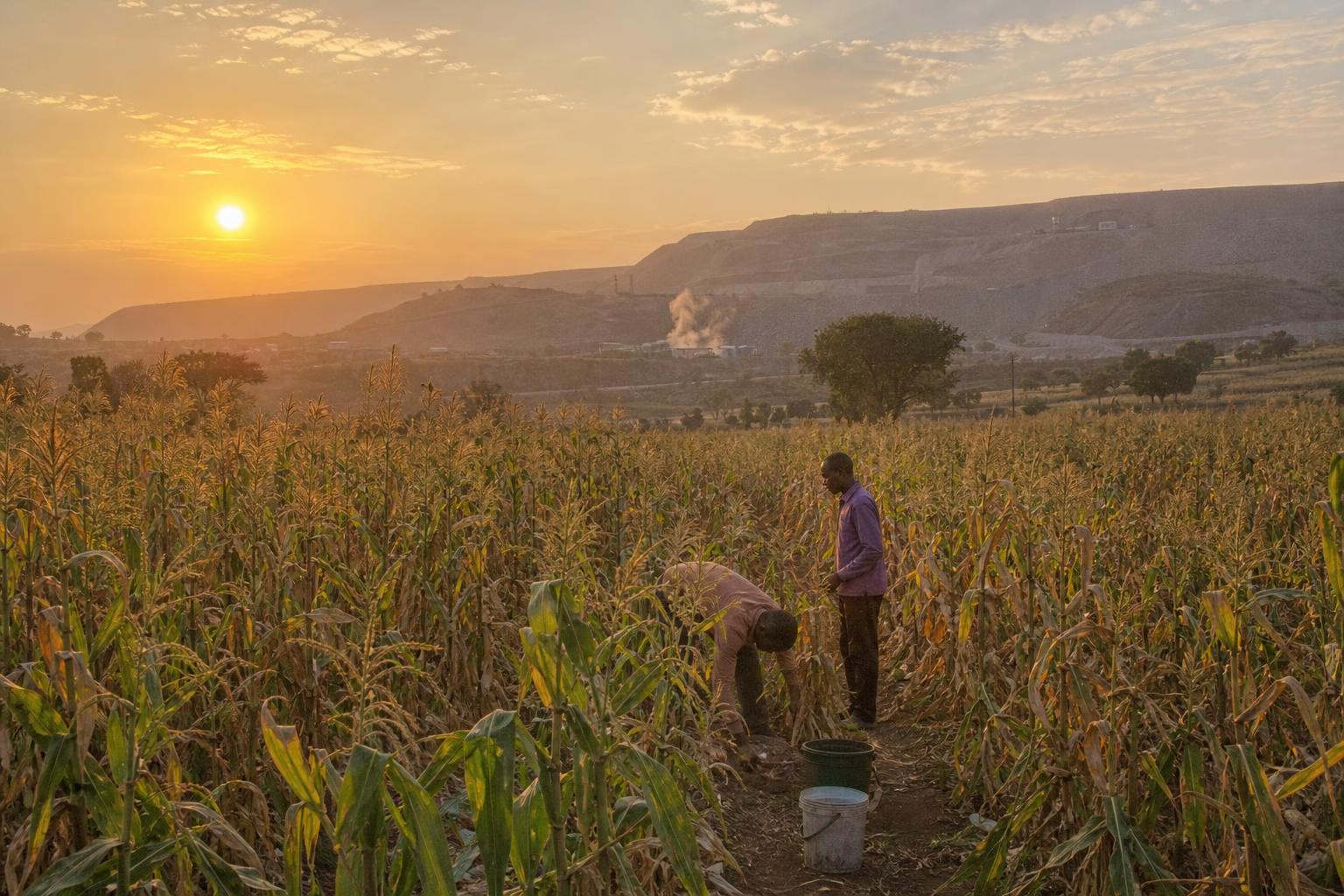
As summer takes hold across Alaska, the state's agricultural sector enters its busiest window for transport and logistics. Moving inputs, equipment, and early-season crops across the state requires careful planning, especially when navigating the vast distances between farming hubs like the Matanuska-Susitna Valley and the Tanana Valley.
With the summer sun providing near-continuous daylight, agricultural carriers must share the state's limited highway corridors with heavy industrial transport, including mining operations and seasonal tourism. Managing these overlapping demands is a critical task for local agribusinesses aiming to keep supply chains running smoothly.
The Highway Bottleneck and Industrial Competition
In Alaska, major routes like the Parks, Glenn, and Richardson Highways serve as the primary lifelines for agricultural transport. However, these corridors also bear the weight of Alaska's massive resource-extraction industries, such as gold mining. The heavy demand for freight capacity, flatbed trailers, and specialized drivers in the mining sector can create tight competition for agricultural shippers.
When industrial mining operations ramp up during the warm summer months, finding available freight haulers to move farm machinery, livestock feed, or bulk inputs can become both challenging and costly for local growers. Because logistics providers are heavily utilized by multiple sectors, agricultural operations must plan weeks, if not months, in advance to secure reliable lane space.
The High Cost of Remote Logistics
Logistics in Alaska are uniquely sensitive to fuel prices and driver availability. High wage trends in competing sectors, such as mining and heavy construction, often draw skilled commercial drivers away from agricultural transport, tightening the labor pool for agricultural carriers. To counter these challenges, many Alaska growers look for ways to optimize their supply chains by consolidating loads or coordinating shared shipments.
For those interested in how these transport dynamics affect specific crop markets, understanding the wider landscape of grain growth and challenges in Alaska can provide valuable context on how local producers manage remote supply chains under tight constraints.
Balancing Inputs and Summer Shipping Windows
With a short growing season, timing is everything. Agricultural inputs must arrive exactly when needed to maximize the short summer window. Dedicated agricultural retail services, much like the long-standing grower-support models seen in other Pacific Northwest regions, demonstrate how vital reliable access to crop protection, nutrients, and expert advice is for navigating regional logistical hurdles.
In Alaska, where a missed shipping connection can delay an entire crop cycle, establishing strong relationships with local distributors and carriers is essential to secure priority space during the peak summer freight rush.
Key Takeaways for Alaska Ag Shippers
- Plan and Book Early: Lock in freight capacity and driver schedules well ahead of peak harvest or planting windows.
- Consolidate Shipments: Work with neighboring farms or regional cooperatives to share freight costs and maximize truck capacity.
- Monitor Labor Trends: Keep an eye on competing industrial sectors like mining, which can pull drivers and equipment away from agricultural lanes.
What it means for the market
For Alaskan agribusinesses, carriers, and input buyers, the summer transport season requires proactive planning and highly collaborative logistics. High competition for drivers and trucks from resource-extractive industries means that agricultural shippers who secure freight contracts early will be best positioned to avoid mid-summer supply disruptions and keep their products moving efficiently to local markets.