
As summer settles over the Hawaiian Islands, local agricultural producers are navigating a complex mix of shifting international grain dynamics and hyper-local agronomic challenges. For Hawaii's isolated agricultural economy, which relies heavily on imported grain and feed, global trade developments directly dictate operating margins. At the same time, summer weather requires careful on-farm stewardship to preserve fragile tropical soils.
From the fields of Maui to the pastures of Hawaii Island, producers must balance the immediate realities of high input costs with long-term land management. Understanding how international market forces interact with local conservation practices is essential for staying competitive in today's volatile agricultural landscape.
Global Trade Shifts and Feed Import Pressures
A major driver of the current global grain market is China's economic slowdown, which is exerting a significant impact on global ag markets. Reduced demand from one of the world's largest agricultural importers is shifting export patterns and putting downward pressure on commodity grain prices. While mainland grain producers face lower farmgate prices, Hawaii's livestock, dairy, and poultry operations may find some relief in lower costs for imported corn, soy, and mixed feeds.
However, shipping grain to Hawaii involves high transportation costs and complex maritime logistics. Unlike landlocked western states that can utilize rail networks to manage Nevada grain logistics and overland shipping routes, Hawaii is entirely dependent on ocean freight. Any savings from lower global commodity prices are often partially offset by steady or rising shipping tariffs, making it critical for local operations to optimize feed efficiency and explore local feed alternatives.
The Power of a Constant Crop Canopy for Hawaii's Soils
On the agronomic front, Hawaii's unique volcanic soils require specialized management during the dry, hot summer months. Experts emphasize that maintaining a constant crop canopy is a highly effective strategy to improve soil health. Leaving soil bare between cropping cycles exposes it to intense summer sunlight and the risk of severe erosion from sudden tropical downpours.
By keeping the ground covered with cash crops, cover crops, or perennial vegetation, local farmers can:
- Reduce Soil Temperature: A dense canopy shades the soil surface, protecting vital microbial communities from extreme heat.
- Prevent Nutrient Leaching: Active root systems hold nutrients in place, preventing them from washing away during heavy rain events.
- Enhance Moisture Retention: Soil organic matter is preserved, helping the ground retain precious moisture during dry spells.
Implementing these soil-building practices aligns with broader efforts to bolster food security and advance Hawaii's agricultural ambitions by building resilient, highly productive local soils.
Infrastructure and Resource Integration
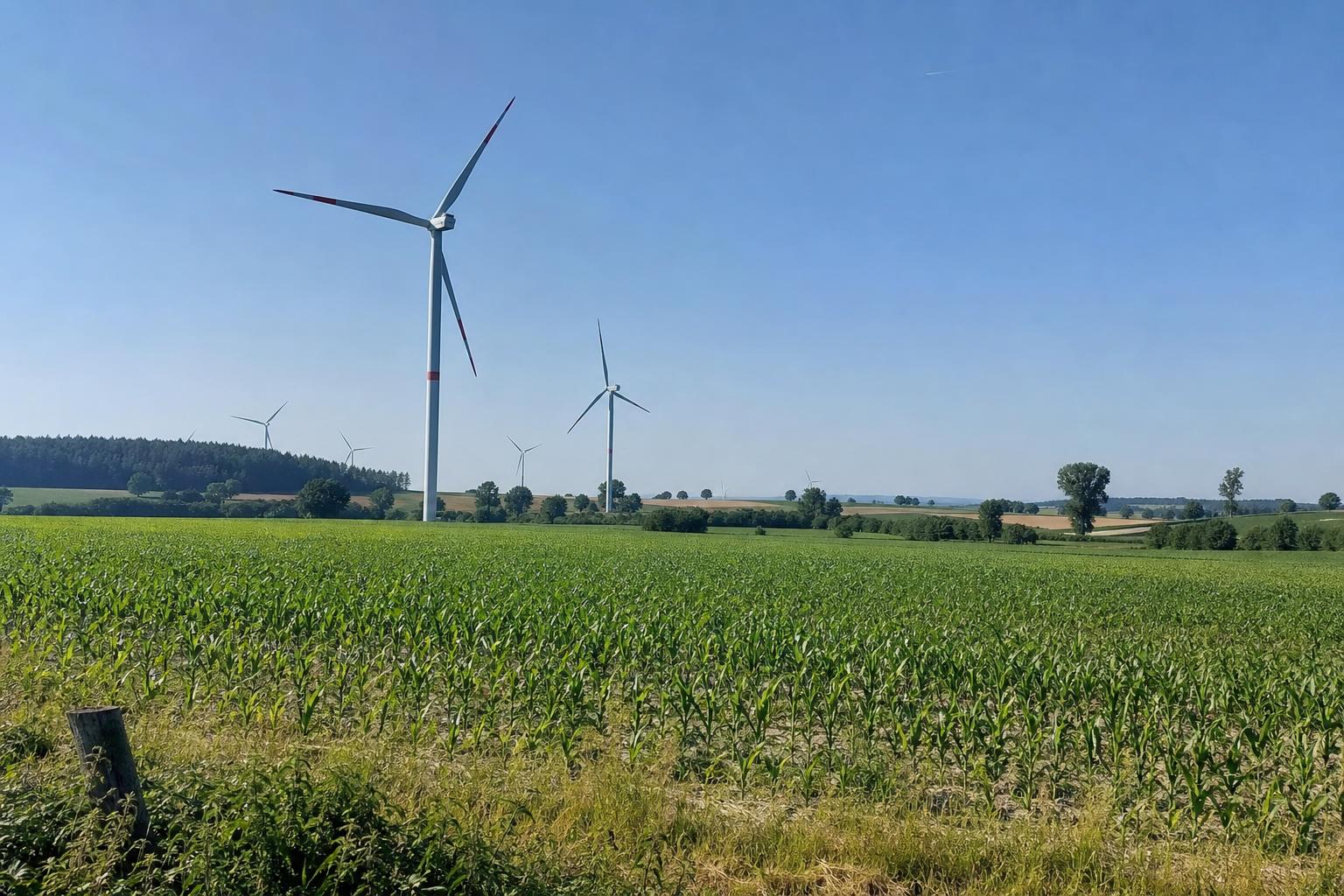
Beyond soil and feed, the modernization of rural infrastructure remains a key theme across the agricultural sector. Across the mainland, projects like the repowering of the Flat Ridge 1 wind farm highlight the ongoing trend of upgrading decades-old energy infrastructure on agricultural lands. In Hawaii, where energy costs are among the highest in the nation, integrating renewable energy like wind and solar with agricultural operations - often referred to as agrivoltaics - offers a potential avenue for farms to diversify their revenue and reduce operating overhead.
Key Takeaways for Hawaii Agribusinesses
- Monitor Global Trends: Keep a close eye on ocean freight rates and global demand shifts, as lower grain prices on the mainland could lower imported feed costs.
- Prioritize Soil Cover: Utilize cover crops or maintain a constant canopy to protect delicate volcanic soils from summer erosion and heat stress.
- Explore Local Feed Alternatives: Mitigate import risks by integrating locally sourced feed ingredients and forage whenever possible.
What it means for the market
For Hawaii's agribusinesses, the summer of 2026 demands a dual focus on global economics and local soil stewardship. While international market adjustments under China's economic slowdown may ease some feed price pressures, long-term profitability hinges on local resource efficiency. By protecting agricultural soils with consistent vegetative cover and seeking out energy-saving infrastructure, Hawaii's farmers can build a more resilient foundation against global supply chain volatility.