
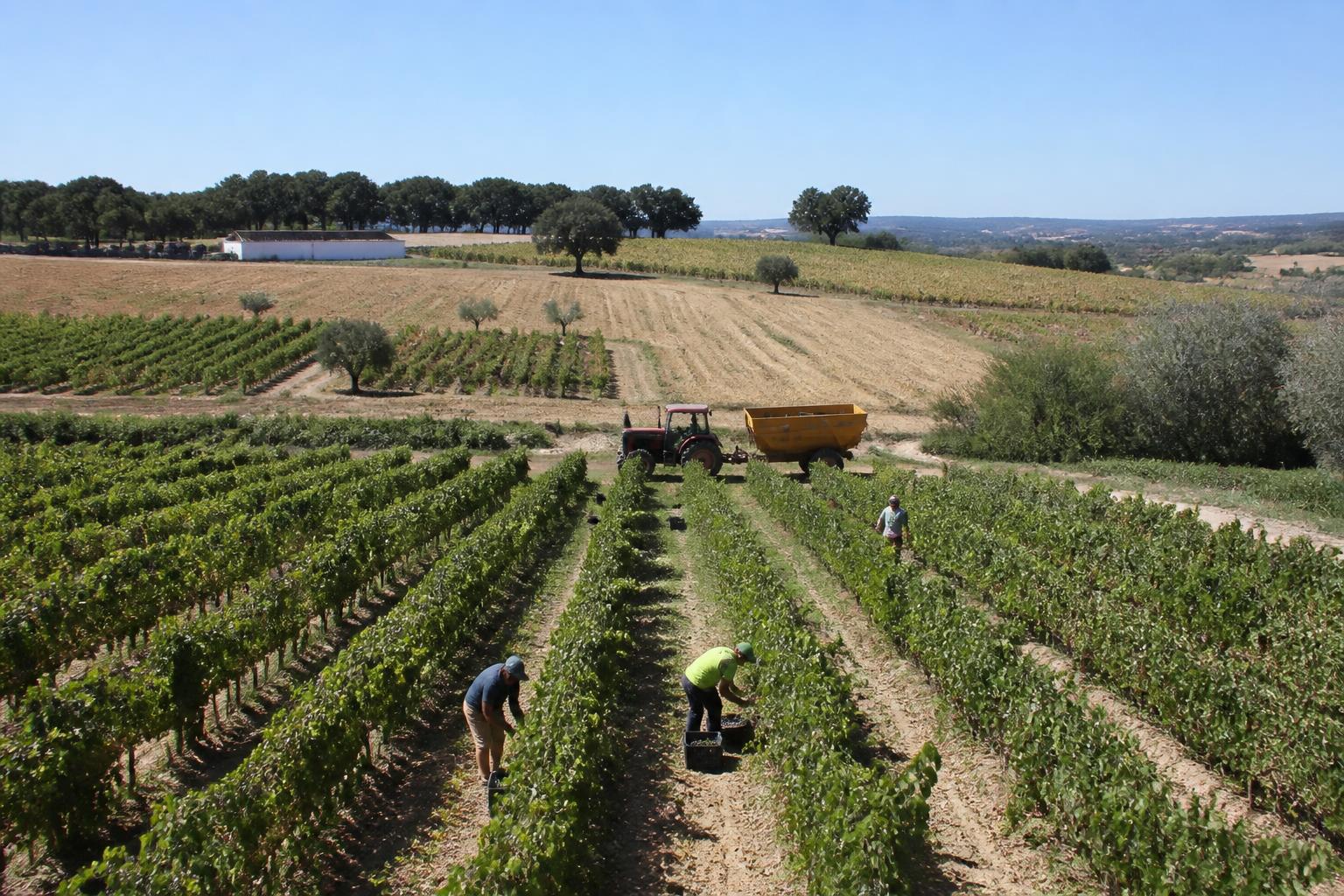
As summer settles over New Hampshire, local growers from the Connecticut River Valley to the Lakes Region are navigating a complex crop production environment. High fuel prices and elevated supply costs continue to squeeze margins on the state's diverse agricultural operations, which range from dairy farms and orchards to specialty crop nurseries. To maintain yields while protecting tight budgets, finding cost-effective, reliable soil amendments has become a top priority for Granite State producers this season.
In addition to financial pressures, New Hampshire farmers are facing unique regulatory and safety considerations regarding historical soil amendments. With state discussions intensifying around land-applied materials, crop nutrition strategies are undergoing a significant shift toward transparency and safety.
The Biosolids Dilemma and PFAS Concerns
For decades, many operations in New England utilized municipal biosolids, commonly referred to as sewage sludge, as an affordable, nutrient-rich fertilizer. However, recent legislative efforts and public health investigations in New Hampshire have forced a major reckoning with this practice. The primary driver of this shift is the growing concern over industrial "forever chemicals," or PFAS, which have been linked to contaminated soils and water on some regional family farms.
As state lawmakers look for ways to address sludge application and protect agricultural lands, growers are proactively shifting away from unverified municipal waste products. To safeguard their soils and the long-term viability of their land, many producers are turning to commercial alternatives and closely managing their input planning. For more on how local producers are adjusting to these evolving state-level standards, see our analysis on adapting to climate and policy shifts in New Hampshire.
Alternative Nutrients and Creative Soil Amendments
With biosolids increasingly scrutinized, New Hampshire farmers are exploring innovative green manures and local organic materials to supply critical nitrogen, phosphorus, and potassium. One such option gaining attention is the utilization of duckweed as a green manure, offering a localized, fast-growing source of organic matter and nutrients. Other small-scale operations continue to rely on traditional compost, crop rotation, and animal manures sourced from local dairy operations.
At the same time, commercial fertilizer products remain essential for meeting the macronutrient demands of high-value crops. Given the logistics of hauling materials into northern New England, local dealers and growers are focused heavily on freight and logistics. This aligns with broader national trends where managing the delivered costs of commercial fertilizers has become the primary factor in regional purchasing strategies.
Managing High Summer Input Costs
The combination of high fuel costs and the need for clean, reliable inputs is reshaping how fertilizer is applied this summer. Rather than broad, broadcast applications, many New Hampshire producers are adopting precision placement and split-application methods. These practices ensure that every pound of nitrogen or potash applied is directly utilized by the crop, minimizing runoff and reducing overall input expenses.
Key Takeaways for New Hampshire Growers
- Verify Amendment Sources: Due to ongoing state discussions and PFAS concerns surrounding sewage sludge, verifying the source and safety of all organic soil amendments is essential.
- Explore Green Manures: Localized options, including cover crops and emerging green manures like duckweed, can help offset the demand for imported synthetic inputs.
- Prioritize Efficiency: Given high fuel and freight costs, precise nutrient application remains the most effective tool to preserve margins this summer.
What it means for the market
The New Hampshire fertilizer market is experiencing a transition toward highly scrutinized, low-risk nutrient sources. As regulatory and environmental concerns restrict the use of cheap municipal waste options, demand is expected to remain steady for verified commercial inputs and clean organic alternatives. For local retail distributors and agribusinesses, providing transparently sourced, high-efficiency options will be key to supporting Granite State farmers through a high-cost summer season.