
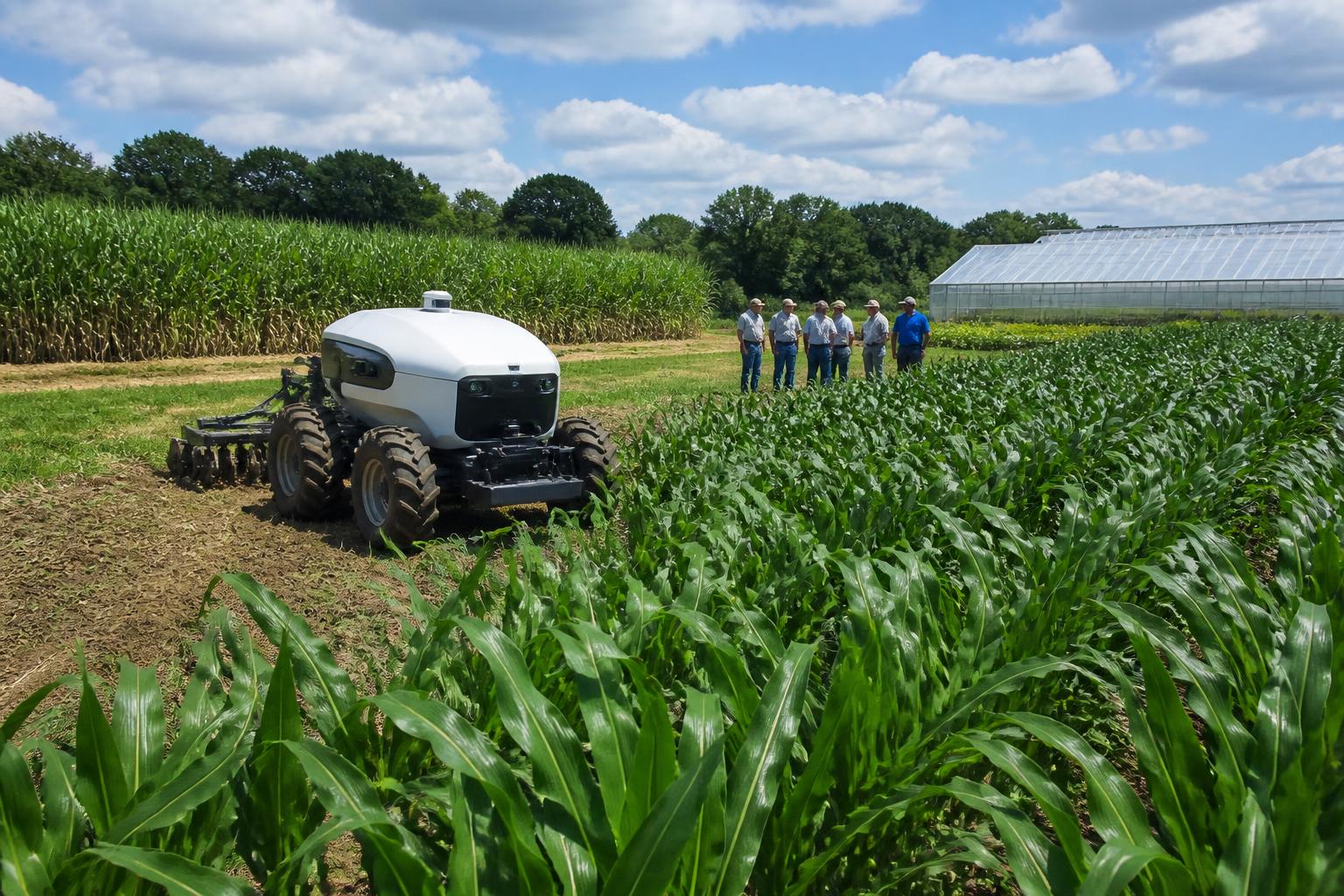
As Utah growers navigate the intense heat and dry soils of mid-summer, the focus of regional agriculture has sharpened on input efficiency and precision crop protection. Maintaining crop health in the arid Great Basin requires advanced tools that can deliver nutrients and protective formulas directly to plants without excessive waste or environmental loss. Recent technological breakthroughs and local mineral developments are providing Utah farmers with new pathways to protect their yields under challenging summer conditions.
With high evaporation rates and limited water resources defining the season, traditional application methods are being scrutinized. Growers are increasingly looking toward next-generation delivery systems to maximize the impact of every drop of pesticide, herbicide, and liquid fertilizer applied to their fields.
Nano-Liquid Technology Enhances Summer Protection
One of the most notable advancements in the input sector is the rise of nanotechnology to boost the absorption of crop protection chemicals. Utah-based developer Nano-Yield was recently honored with a 2026 Stevie Award for Agricultural Innovation, highlighting the growing commercial traction of nano-liquid carriers. These carriers wrap around active ingredients in crop protection products, helping them penetrate plant leaves more effectively. This is particularly valuable when managing weeds and intense heat during dry spells, as weeds often develop thicker, waxy cuticles to survive the heat, making them highly resistant to standard chemical applications.
By using nano-formulations, growers can achieve the same protective results with lower overall chemical volumes. This reduces the chemical load on the soil while driving down the per-acre cost of input programs at a time when budget margins are tight.
Local Potash Projects Build Plant Resilience
In addition to innovative delivery systems, the long-term supply of fundamental crop nutrients is securing a stronger foothold within the state. Sage Potash and other critical mineral developers have been advancing high-grade potash projects in Utah, securing key permits to move toward feasibility. Potassium is a critical element for plant water regulation, root strength, and stress tolerance-qualities that are essential for Utah alfalfa, small grains, and specialty crops trying to survive the dry summer months.
A reliable regional supply of potash could eventually shield Intermountain West growers from global supply chain disruptions. Integrating local, high-grade potassium into precision crop programs helps crops withstand heat stress, making them less susceptible to late-season pests and diseases. For growers seeking sustainable practices, combining advanced nutrition with targeted crop protection is a key step in optimizing nutrient efficiency and minimizing runoff across vulnerable watersheds.
Logistical Efficiency Across Utah High-Speed Corridors
Applying the right product at the right time requires a highly functional distribution network. Irrigation and crop protection schedules in counties like Box Elder, Iron, and Sanpete rely heavily on timely deliveries along the Interstate-15 corridor. Any delay in receiving custom-blended protection products during critical pest reproductive cycles can lead to rapid yield loss.
Fortunately, the ongoing modernization of the state's agricultural transit infrastructure, including the integration of local distribution networks and regional transload projects, has helped stabilize the supply chain for liquid inputs, crop protectants, and fertilizers, ensuring that retailers can meet sudden spikes in summer demand.
Key Takeaways for Utah Growers
- Embrace Delivery Innovations: Award-winning nano-liquid technologies offer Utah growers a way to improve pesticide and herbicide performance, even when weeds have hardened off due to summer heat.
- Focus on Crop Stress Tolerance: Ensuring adequate potassium levels through local potash sources can bolster plant defenses against drought-related pest pressures.
- Plan Logistics Ahead: Work closely with regional input suppliers to secure summer crop protection blends before local pest pressures peak.
What it means for the market
The convergence of advanced crop protection technologies and local mineral exploration signals a more self-reliant and efficient future for Utah's agricultural sector. By utilizing nano-scale application tools and securing domestic potash sources, growers can mitigate both environmental challenges and market volatility. For agribusinesses and input retailers, investing in these high-efficiency solutions represents a critical strategy for maintaining client yields and promoting sustainable resource management in the arid West.
Comments
No comments yet — be the first to share your take.