
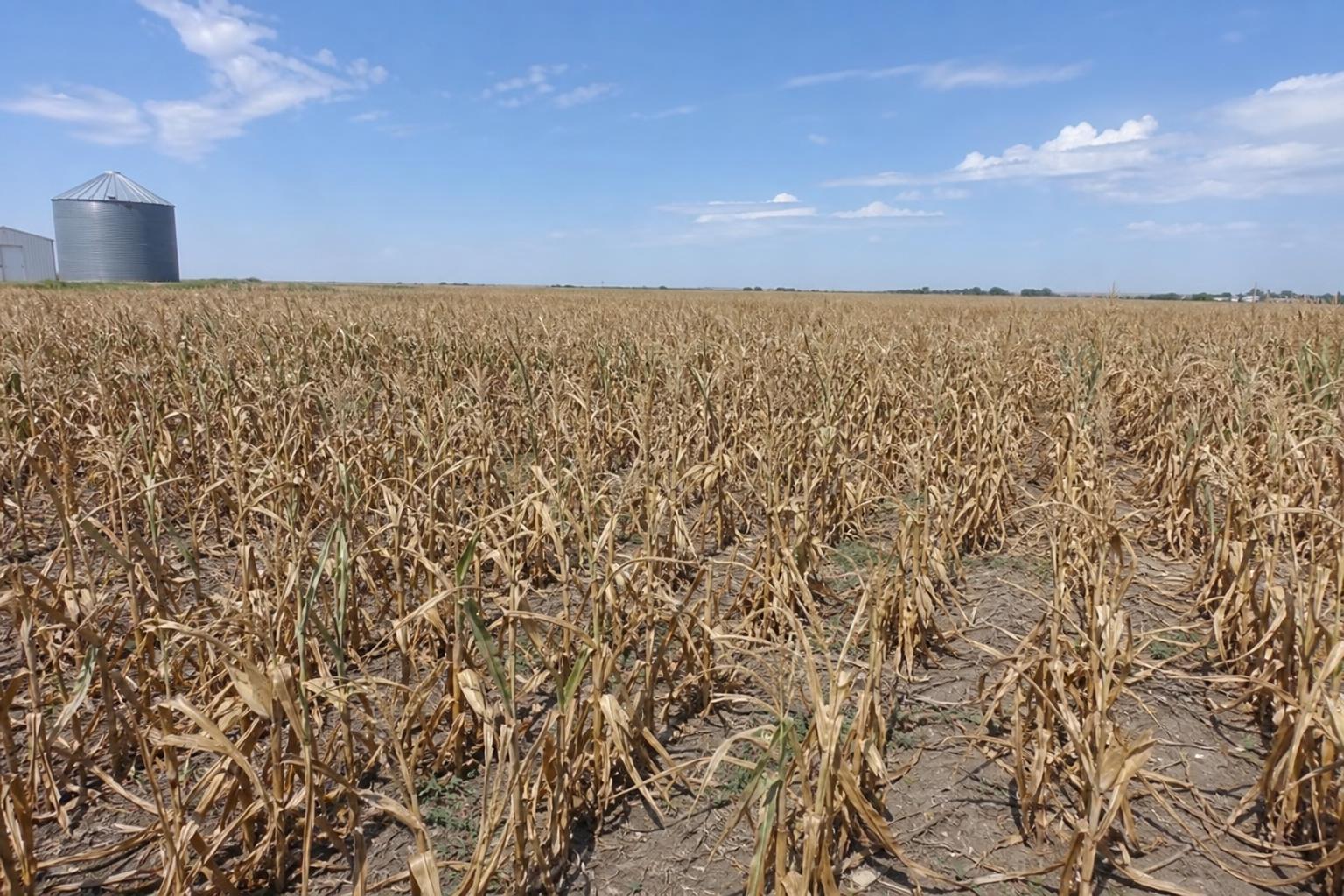
Nebraska's agriculture is a powerhouse, contributing significantly to the state's economy through key crops like corn and wheat. However, the sector faces both challenges and opportunities that demand strategic navigation by farmers and agribusinesses.
Drought Impact on Wheat Production
Persistent drought conditions have significantly affected Nebraska's winter wheat crop. Lack of precipitation has led to lower yields, posing a critical challenge for farmers who rely on wheat as a staple crop. Strategic water management and drought-resistant crop varieties are among the measures being considered to mitigate these impacts.
Corn Market Dynamics
Nebraska's corn market is seeing shifts due to policy changes and global trade tensions. Despite a potentially fruitful year for crop farmers, uncertainty around tariffs continues to loom. This unpredictability underscores the importance of robust market strategies and policy advocacy to protect and enhance export opportunities. For more on similar market dynamics, revisit this article on Indiana's corn market developments.
Emerging Opportunities
One emerging opportunity lies in sustainable aviation fuel, which could present new markets for Nebraska's corn growers. As environmental policies evolve, the demand for alternative fuels is likely to create avenues for diversification, providing growers with additional revenue streams.
Land Market Momentum
Nebraska's farmland continues to show positive momentum, with competitive sales reflecting strong demand. This trend is encouraging for those looking to invest in or expand agricultural operations. However, strategic financial planning remains essential to navigate the fluctuating market landscape.
For insight into similar regional agricultural markets and trends, consider reading about Florida's latest market trends.
What it means for the market
Nebraska's agricultural sector stands at a crossroads, with significant challenges brought by environmental conditions and policy changes. At the same time, emerging opportunities in sustainability and market diversification present pathways for growth. Farmers and agribusinesses need to adapt and innovate, leveraging both traditional and new approaches to secure a resilient future.