
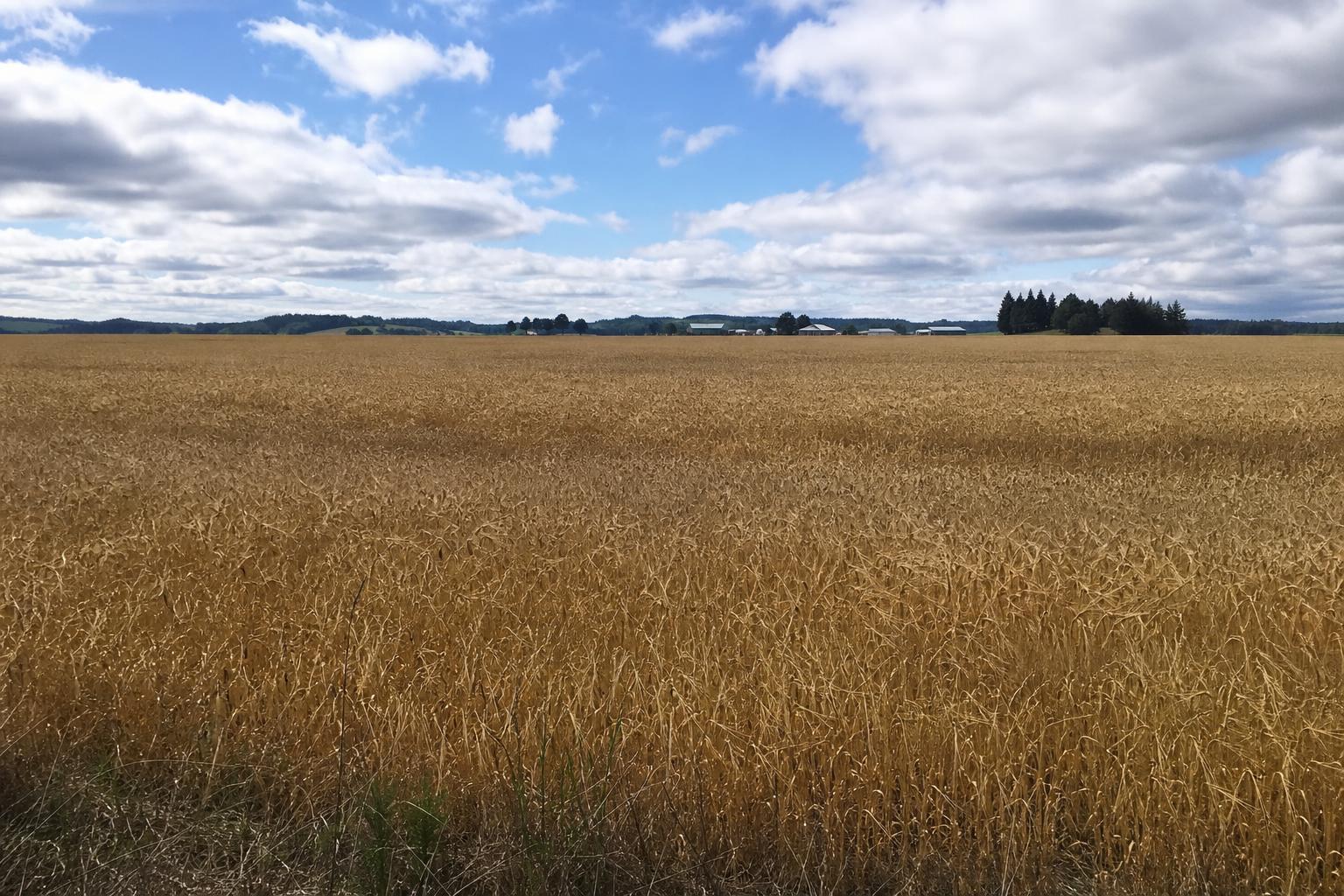
As Oregon wheat farmers continue to grapple with uncertainties arising from international trade tensions, they are also uncovering new opportunities for growth within the local agriculture market. Understanding these dynamics is crucial for stakeholders aiming to navigate the current economic landscape.
Impact of Trade Tensions on Oregon Wheat
Ongoing trade disputes have posed significant challenges for Oregon’s wheat farmers, impacting both export markets and local pricing dynamics. Despite these hurdles, the state remains a top producer of soft white wheat, a variety highly sought after in international markets. Farmers are keeping a keen eye on potential policy changes that might affect their access to key markets.
Local Agricultural Innovations
Amidst trade worries, innovation within Oregon’s agriculture sector continues to gain traction. Efforts to explore alternative crops and improve sustainable farming practices are underway, offering farmers new avenues for diversification and profitability. This trend could mitigate some of the risks associated with global market volatilities.
Weed Management Challenges
The increasing prevalence of herbicide-resistant weeds is another concern for Oregon’s agricultural community. Effective weed management is crucial to maintaining high yields and crop quality. Learn more about effective strategies being employed in other regions.
Economic Opportunities in Local Markets
Efforts to strengthen local grain markets and promote Oregon products domestically are proving beneficial. Initiatives to connect Eastern Oregon farmers with urban markets increase visibility and consumption, diversifying income sources for producers.
For instance, the “Farm to Square” programs in Portland are bringing local agricultural goods directly to consumers, fostering stronger community connections and supporting small-scale producers.
What it means for the market
Oregon's grain market is at a crossroads where farmers face both significant challenges and promising opportunities. By focusing on diversification, sustainable practices, and local market expansion, stakeholders can better position themselves against the uncertainties of global trade conditions. For those interested in similar dynamics, California's grain market experiences offer insights into successfully managing production and export dynamics.