
Florida agricultural producers are entering the hot summer months facing a dual front of field-level biosecurity threats and high-intensity logistics enforcement. From invasive pests targeting high-value specialty crops to sudden highway transport sweeps, regional operations must adapt quickly to keep supply chains fluid. Protecting crops today requires a multi-layered strategy that pairs advanced biological technology in the field with meticulous compliance on the state’s transit corridors.
The Rising Threat of Invasive Pepper Thrips
Florida specialty crop and ornamental growers are on high alert due to the spread of invasive pepper thrips. This pest poses a significant threat to pepper crops and greenhouse operations throughout the state. Unlike traditional pests, invasive thrips can be highly resilient to standard chemical applications, forcing growers to explore alternative crop protection tools.
In response, the agricultural sector is looking toward biological solutions that stimulate the crop’s own immune system. Technologies such as Harpin proteins are increasingly utilized to trigger natural plant defenses, helping crops withstand pest pressure and environmental stress. Implementing these innovative tools is becoming a vital component of modern Florida biosecurity defenses and policy reforms designed to protect the state’s diverse agricultural yield.
Highway Enforcement Squeezes Ag Logistics
While field-level defenses are critical, protecting the agricultural supply chain also requires securing the transit routes that carry Florida produce to national markets. A recent intensive four-day law enforcement operation in Florida resulted in the inspection of over 3,300 commercial motor vehicles (CMVs), sidelining dozens of truck drivers for language and immigration violations.
This level of regulatory oversight on major freight corridors directly impacts agricultural logistics, potentially causing delays during critical summer shipping windows. With driver availability already tight, agribusinesses must carefully vet their carrier networks to avoid shipping bottlenecks. These road-level disruptions underscore the ongoing vulnerabilities in Florida summer logistics and transport pressures, where even minor delays can affect the quality and market value of perishable goods.
Long-Term Survival and Technical Adaptation
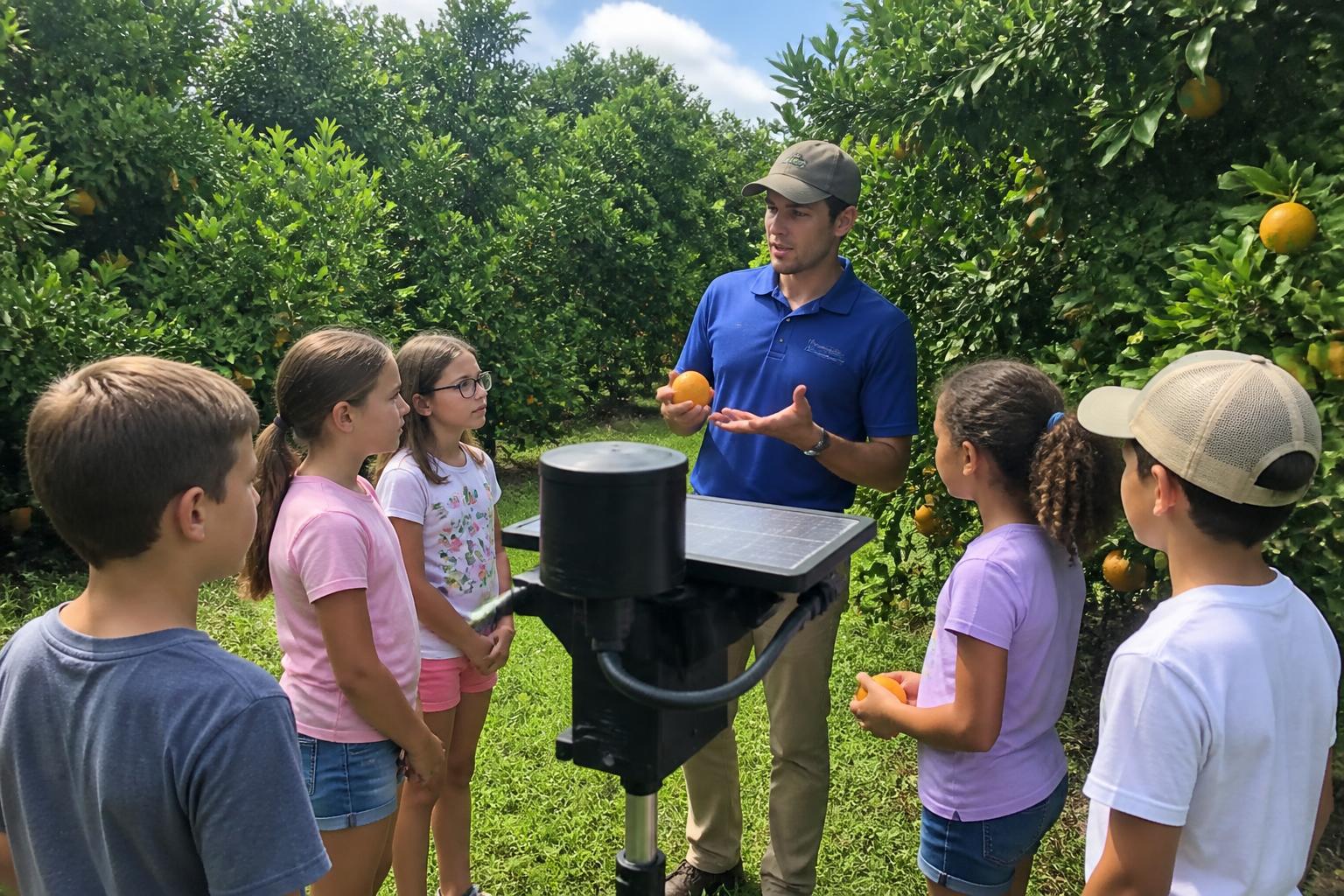
Florida’s citrus sector, which has spent years navigating economic and disease pressures, serves as a case study in survival tactics. As growers look to the future, research programs led by institutions like UF-IFAS are training the next generation of agriculturalists to implement modern integrated pest management (IPM) techniques. Beyond citrus, vegetable and specialty crop producers across the state are adopting autonomous farming concepts and precision application methods to targeted pest zones, minimizing chemical use while maximizing coverage.
Key Takeaways for Florida Agribusinesses
- Monitor for Pepper Thrips: Growers of peppers and ornamental plants should establish early monitoring protocols to detect invasive thrips before populations explode.
- Explore Biologicals: Incorporating biological triggers like Harpin proteins can build systemic crop resilience against summer pest pressures.
- Verify Carrier Compliance: In light of strict highway commercial vehicle sweeps, verify that transport partners are fully compliant to avoid transit delays.
What it means for the market
For the Florida agricultural market, crop protection is no longer just an agronomic challenge-it is a logistical one. Securing the harvest requires a seamless connection between field-level biological defense systems and highly compliant transport networks. As regulatory enforcement on both pesticide use and highway transport tightens, agribusinesses that proactively manage these operational risks will be best positioned to protect their margins this summer.
Comments
No comments yet - be the first to share your take.