
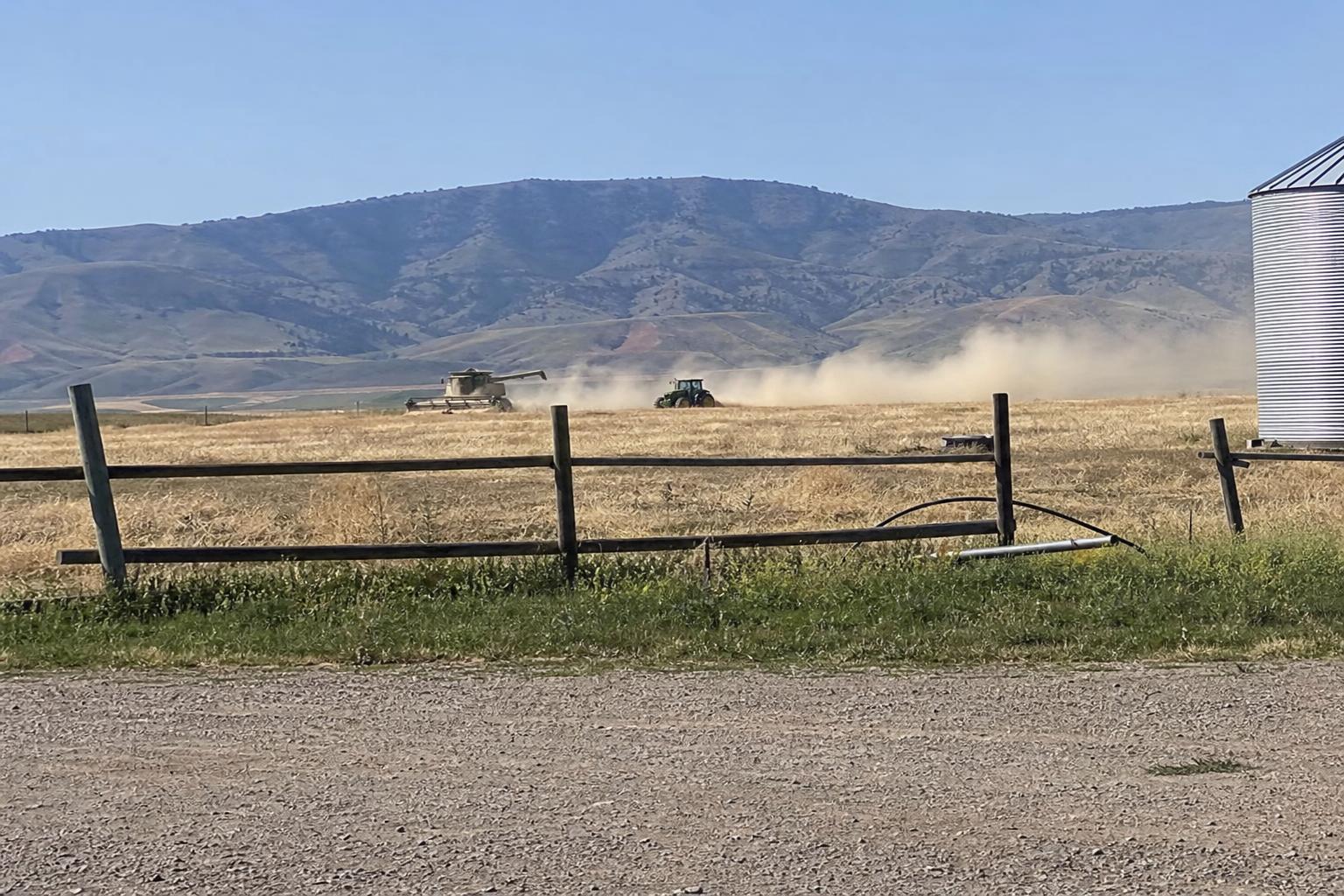
Farmers in Montana are currently grappling with escalating costs of production, largely driven by rising fuel and fertilizer prices. These economic pressures are challenging margins and necessitating strategic adjustments in agricultural practices. However, opportunities are also emerging, particularly through initiatives focused on expanding export markets for Montana’s agricultural products.
Rising Production Costs
The cost of producing agricultural goods in Montana is on the rise. High fertilizer and fuel prices are the main contributors to this trend, significantly affecting the profitability of farming operations. As farmers strive to manage these costs, they are seeking innovative solutions and exploring more efficient practices to maintain their economic viability.
Expanding Export Markets
Diversifying exports remains a critical strategy for Montana's agricultural sector. With an emphasis on grains such as wheat and barley, efforts are underway to strengthen relationships with international markets. Governor Greg Gianforte has highlighted the importance of these exports for the state's economy during various agricultural events. These initiatives aim to ensure sustainable growth and open new revenue streams for local farmers.
Montana's Lamb Project
In addition to grains, Montana is looking to enhance its sheep industry through projects like the proposed Montana Lamb Project. This initiative seeks to boost local agriculture and make the state's lamb production more competitive both nationally and internationally.
Strategic Planning for Future Growth
Amidst the challenges, the Montana agricultural sector is focusing on strategic planning and collaboration with local and international stakeholders. By leveraging state resources and expert guidance, farmers are working towards achieving greater efficiency and entering new markets to offset rising costs. A comprehensive understanding of logistical challenges, similar to issues faced in U.S. grain logistics, also plays a vital role in this strategy.
Low river levels impacting agricultural logistics highlight the need for Montana to strengthen its own infrastructure and export networks.
What it Means for the Market
For Montana's agricultural market, the key lies in adapting to economic pressures while capitalizing on new market opportunities. By managing production costs and investing in export strategies, Montana farmers can safeguard their livelihoods and contribute to the state’s economic growth. Exploring diverse markets and understanding logistics, as demonstrated by other states, will be pivotal in navigating the current landscape effectively.