
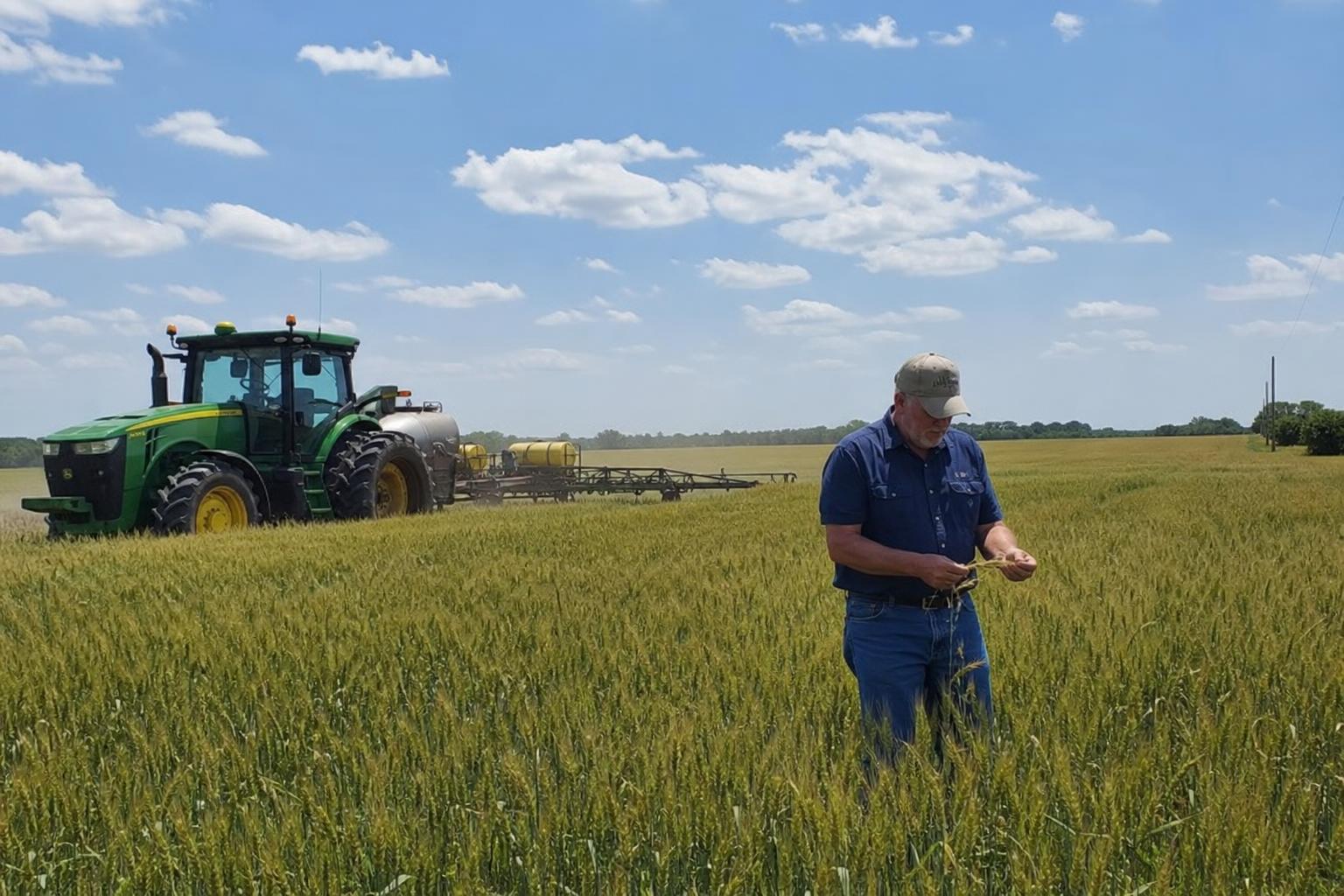
As Alabama's wheat market continues to evolve, producers and suppliers in the region are facing a mix of opportunities and challenges. With shifting consumer preferences and global market dynamics impacting local decisions, understanding these changes is crucial for stakeholders.
Current Market Trends and Influences
Alabama's wheat producers are influenced by both regional factors and international market conditions. Recent shifts in consumer behavior, emphasizing locally sourced and sustainable wheat, have positively impacted local demand. Moreover, competitive wheat purchasing prices globally create pressure for Alabama's producers to remain competitively priced and efficient.
The state's climate, characterized by its southern weather patterns, provides a suitable growing season for wheat. However, unpredictable weather changes pose ongoing risks, requiring adaptive strategies among farmers. For more insights, read Alabama's Grain Market Forecast: Key Trends for 2024.
Opportunities for Growth
One of the significant opportunities for Alabama's wheat market is the potential for expanding into niche products such as organic and specialty wheat. This can cater to the growing consumer demand for healthy and unique grain varietals. Additionally, leveraging technology to enhance farming efficiency and crop quality can position Alabama's wheat as a competitive player on the national stage.
Investment in infrastructure, such as updated grain storage and transportation networks, also presents a key area for growth. As detailed in Navigating Alabama's Grain Market: Strategies for Success in 2026, these advancements will be critical for maintaining quality and reducing spoilage.
Challenges to Overcome
The wheat market in Alabama is not without its challenges. Increasing global competition and fluctuating trade policies can impact pricing and export opportunities. Farmers must navigate these complexities while managing local operational costs, such as labor and supplies, that have seen variable pricing trends recently.
Furthermore, access to financial services and capital remains a hurdle for many small to medium-sized producers seeking to scale operations. Support from local councils and agricultural bodies can play a pivotal role in bridging this gap.
Key Takeaways
- Focus on niche markets such as organic wheat could provide new revenue streams.
- Investments in technology and infrastructure are essential for long-term sustainability.
- Adapting to environmental changes and securing financing are top priorities for producers.
For strategic advice, visit Alabama's Emerging Grain Markets: Opportunities and Strategies for 2025.
What it means for the market
Alabama's wheat market is at a critical juncture. By capitalizing on opportunities for specialized products, investing in modern technologies, and fostering a supportive policy environment, the state can enhance its competitiveness and sustainability in the broader agricultural economy. Such strategic moves not only offer growth prospects but also ensure Alabama's wheat producers remain resilient amid global economic challenges.