
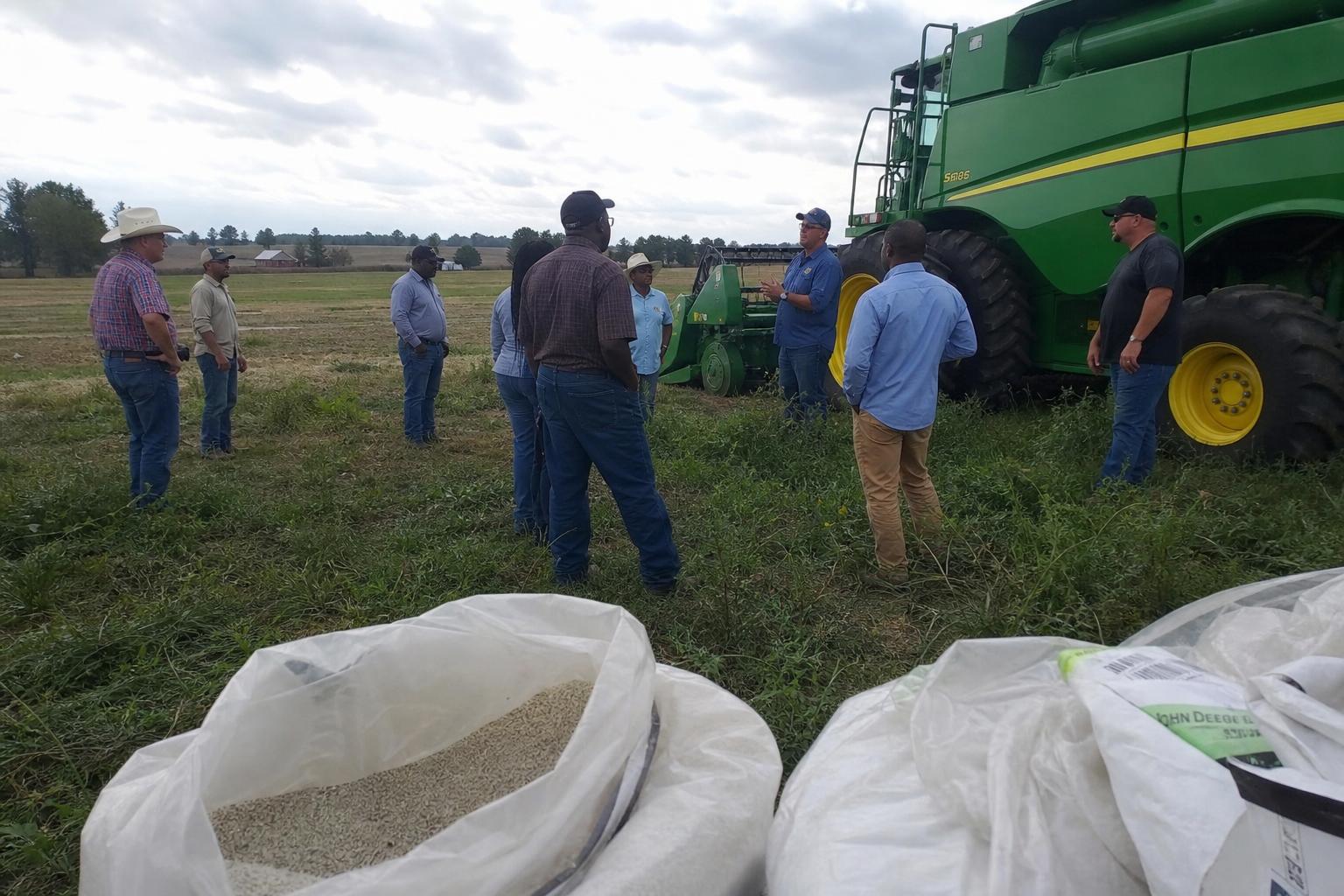
As global geopolitical tensions rise, Alabama farmers are facing increasing fertilizer costs that could impact their crop production strategies. With critical inputs like fertilizer becoming more expensive, local farmers must adapt to maintain their competitive edge while managing rising operational expenses.
Impact of Global Events on Alabama's Fertilizer Market
Recent conflicts in commodity-rich regions have disrupted supply chains, causing significant spikes in fertilizer prices. These shifts have forced many Alabama producers to reassess their input costs and adjust budget allocations accordingly. The recent U.S. fertilizer market dynamics highlight the importance of strategic planning and cost management for the upcoming growing season.
Adjusting Crop Strategies
Faced with rising costs, farmers might consider diversifying their crop portfolios or adopting alternative fertilization methods. For instance, integrating legumes in crop rotations can naturally enhance soil fertility, potentially reducing the dependence on commercial fertilizers. This strategic shift can help cushion the impact of fluctuating fertilizer costs while sustaining soil health.
Potential Government Support
To mitigate these challenges, there has been a call for increased governmental support. Farmers seek relief programs and subsidies that could offset rising costs and provide stability. Additionally, investments in agricultural research to explore sustainable fertilization alternatives are crucial.
Local Market Implications
This development also influences local market decisions, as higher input costs might translate into increased prices for Alabama’s key crops like corn and wheat. Understanding these dynamics is essential for stakeholders across the agriculture supply chain—from producers to grain handlers.
For more insights on related topics, check out our article on Alabama's corn market.
What it Means for the Market
Alabama farmers must navigate a complex landscape of rising input costs and market volatility. Strategic planning is crucial, with a focus on cost management and crop diversification. Additionally, advocating for policy support will be vital to sustain agricultural productivity and economic viability within the state.