
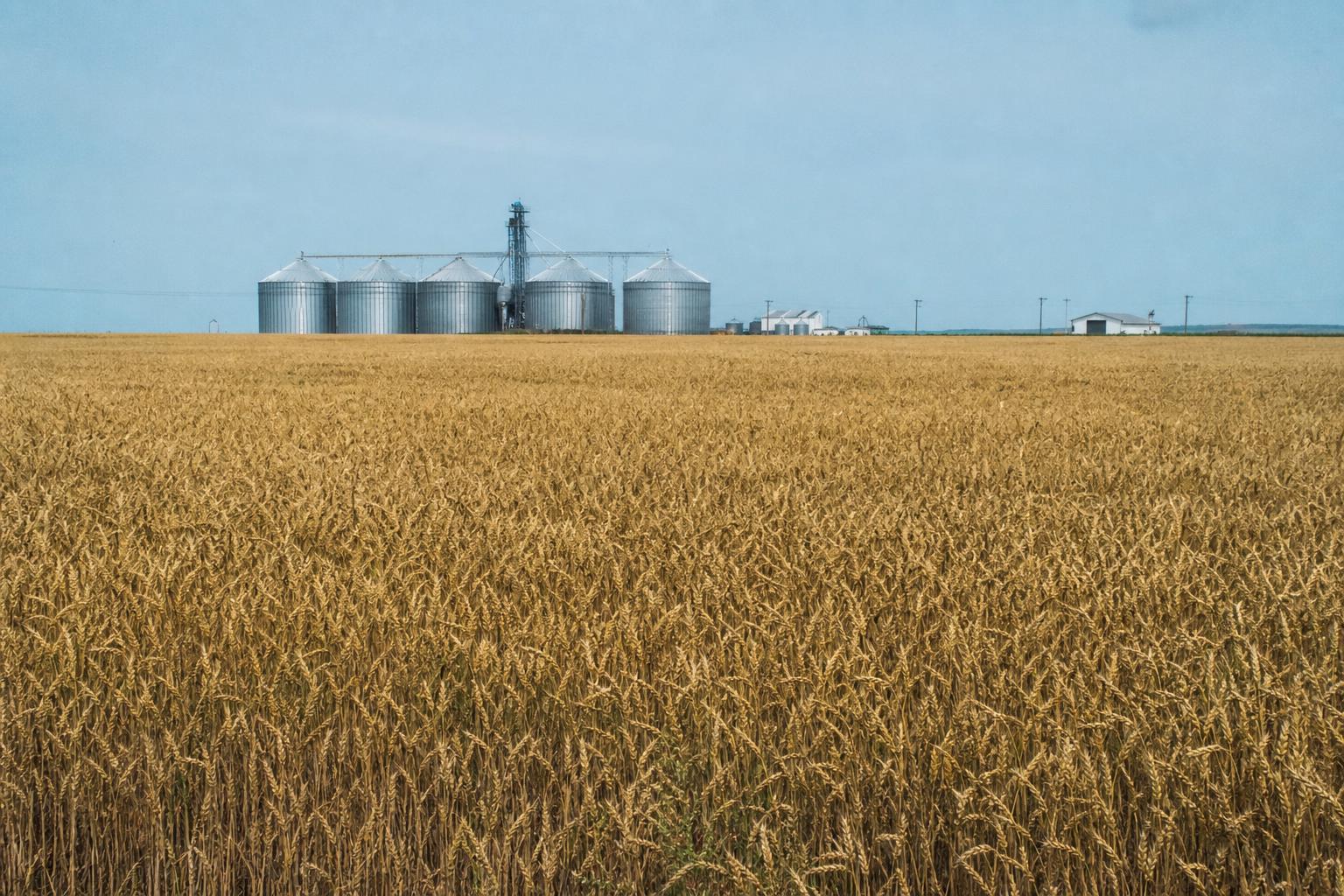
Kansas, a powerhouse in wheat and sorghum production, is navigating a market landscape shaped by price dynamics and crop estimates. With significant changes influencing planting decisions, farmers are keenly watching market trends to make informed choices for the upcoming seasons.
Wheat Market Overview
Recent estimates suggest Kansas may produce around 218 million bushels of wheat this year. This projection is central to farmers’ planning, as it impacts local and global supply perceptions. The pricing trends remain volatile, compelling producers to balance inputs and output expectations carefully.
Influence of Trade Dynamics
Trade relationships, especially with Mexico, are crucial for Kansas wheat exports. Strengthening these ties could fortify market positions and provide a buffer against price slumps. Moreover, discussions on diversifying markets help in mitigating risks associated with fluctuating demand.
Sorghum Challenges
While Kansas boasts a tremendous milo crop, low prices and shrinking markets present significant hurdles. Capitalizing on production efficiency must be matched with strategic market access efforts to offset these challenges.
Economic and Input Factors
Kansas farmers face potential shocks in fuel and fertilizer costs, which could drive up production expenses significantly. Balancing these input costs against expected crop revenues is a crucial task for optimizing profitability and sustaining operations.
Strategic Partnerships
Efforts like the expansion of the Wellington Grain Terminal play a vital role in enhancing Kansas’s reach within the grain network. Such initiatives aim to streamline logistics and support better market access, crucial during periods of tight margins.
Key Takeaways
- Stay informed about crop estimates and price trends to plan strategically.
- Monitor trade relationships and market diversification to mitigate risks.
- Manage input costs effectively to maintain competitive production levels.
Efficient logistics and grain handling partnerships, along with prudent financial management, remain critical for success in the current agricultural climate.
What it Means for the Market
The Kansas agriculture scene is shaped by a blend of production prowess and market volatility. Adapting to these factors with strategic insights and partnerships is key for maintaining Kansas’s stronghold in agricultural markets. Farmers and agribusinesses must stay agile, focusing on boosting efficiency and navigating changing economic landscapes to ensure long-term sustainability and growth.