
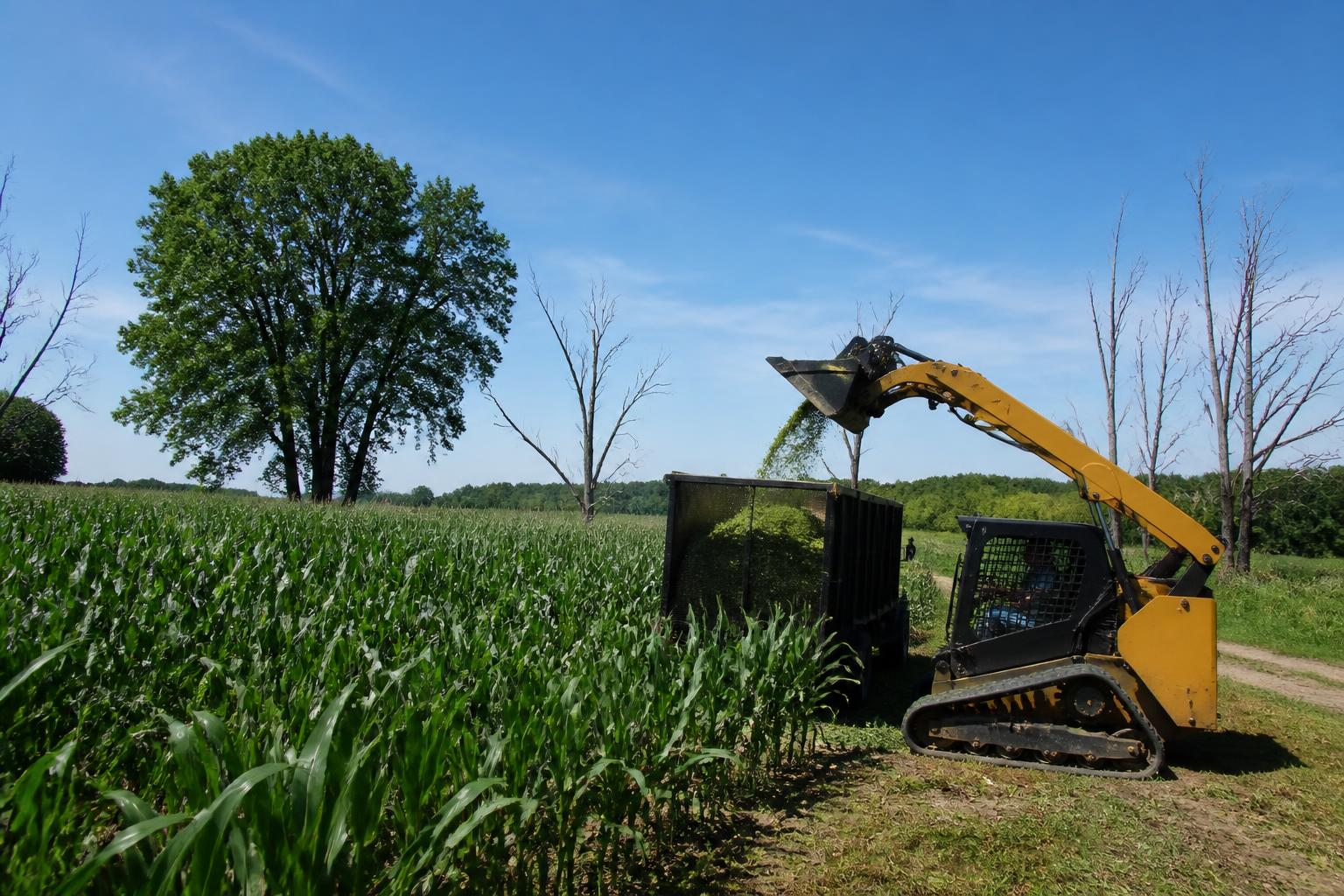
As the summer season gets underway in New Hampshire, local grain growers and sweet corn producers face a unique mix of national market uncertainty and localized conservation successes. National grain markets are currently navigating a USDA data blackout that has introduced volatility and fueled uncertainty ahead of major upcoming crop reports. For New Hampshire growers, managing these broader economic shifts requires a strong focus on local supply chains, regional land preservation, and careful resource management.
Navigating Market Uncertainty and Local Sourcing
The recent USDA data blackout has left grain buyers and sellers across the country operating with limited official guidance, leading to cautious trading patterns. For local grain operations and feed dealers in New England, this lack of national clarity highlights the importance of localized marketing agreements. Implementing collaborative marketing and viability strategies for summer can provide much-needed stability when national pricing reports are in flux. Local demand for livestock feed, silage, and specialty grains remains a steady anchor for the state's agricultural economy.
Land Conservation and Regional Stewardship
While national logistics and data gaps present hurdles, New Hampshire continues to make strides in securing its agricultural footprint. Land preservation remains a top priority, as demonstrated by the Southeast Land Trust (SELT) recently protecting 28 acres of the Fuller property in Brentwood, ensuring it remains conserved forever. Additionally, community-supported efforts, such as the upcoming bioblitz at Broadview Farm in East Derry, highlight the active role residents and farmers play in monitoring local biodiversity.
Preserving these agricultural parcels ensures that future generations have access to viable tillage. However, balancing these conservation efforts with active production requires a close eye on evolving environmental policies. Growers must remain vigilant regarding regional regulatory shifts, such as those covered in summer disease management and evolving land use standards across the state.
Sweet Corn and Agritourism Preparations
Summer is also the peak season for New Hampshire's high-value sweet corn and agritourism sectors. Local operations, such as Coppal House Farm in Lee, are actively prepping fields, managing crop health, and designing seasonal corn mazes that draw thousands of visitors. Farm stands across Rockingham, Strafford, and Merrimack counties are gearing up for the fresh sweet corn harvest, which represents a crucial direct-to-consumer revenue stream for the state's diversified farms.
Emerging Environmental and Operational Challenges
Beyond crop management, New Hampshire farmers must navigate newly highlighted environmental concerns. The EPA's long-awaited report warning of PFAS exposure from biosolids is drawing increased attention to soil amendments and fertilizer sourcing. Meanwhile, summer farm maintenance continues to be a critical safety priority. Agricultural experts are reminding landowners to identify and remove dead ash trees near fence lines and roads, as falling timber poses a severe liability and safety risk during summer storms.
Key Takeaways for New Hampshire Growers
- Data Gaps: The national USDA data blackout requires local grain handlers to rely more heavily on regional contract pricing and trusted buyer networks.
- Securing Acres: Local land trusts, like SELT, continue to protect vital agricultural tracts, preserving the state's limited tillable acreage.
- Biosolid Awareness: New EPA findings on PFAS mean growers should carefully evaluate the origin and safety of their soil amendments.
What it means for the market
For New Hampshire agribusinesses, the combination of national market data gaps and local environmental scrutiny means that transparency and self-reliance are more valuable than ever. While national grain prices may fluctuate due to federal reporting delays, the local demand for high-quality sweet corn, feed grains, and agritourism remains resilient. By focusing on soil health, local conservation partnerships, and direct consumer relationships, Granite State farmers can successfully navigate the summer marketing season.
Comments
No comments yet — be the first to share your take.