
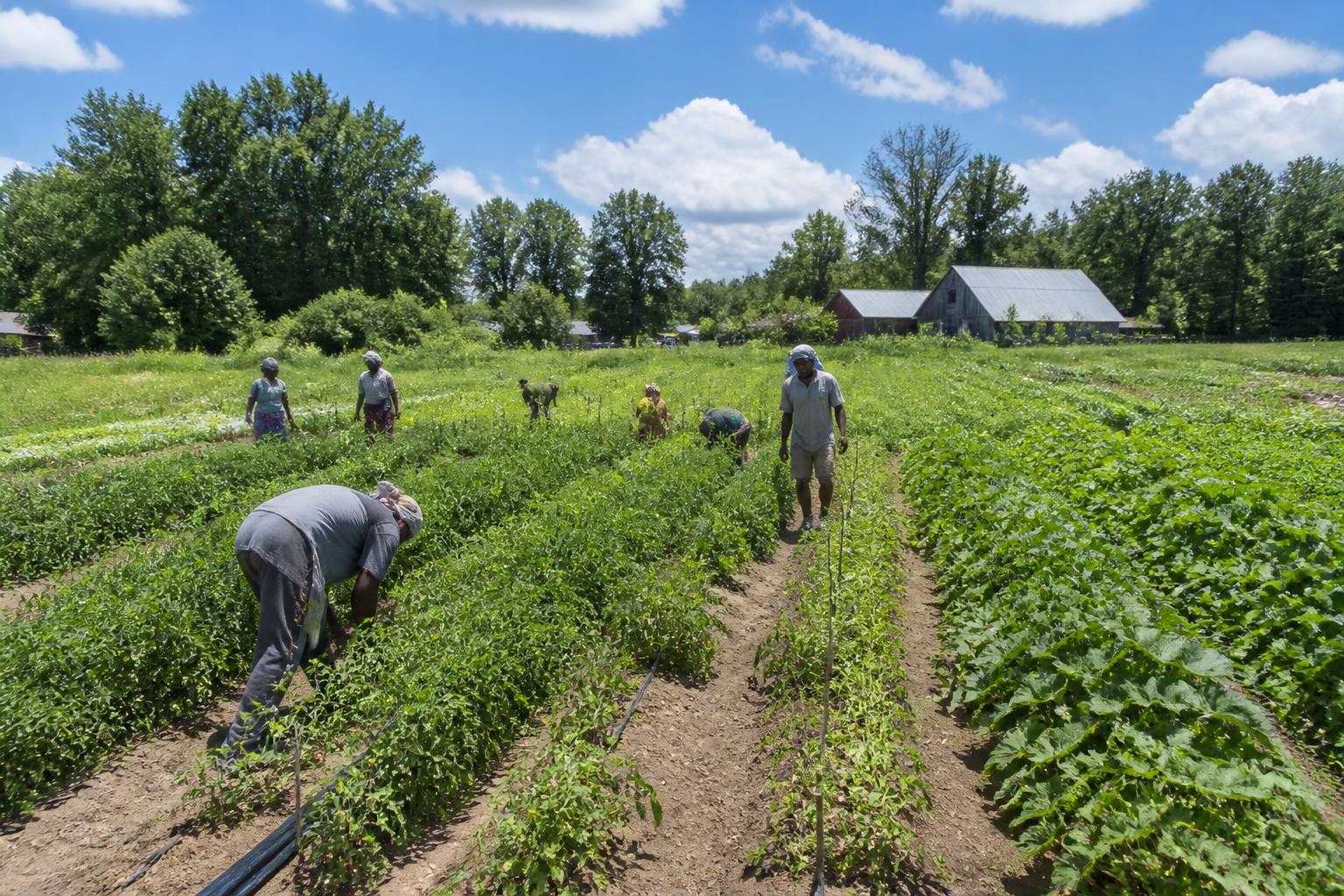
As summer settles across New Hampshire, agricultural producers along the Merrimack River valley and the Upper Valley are facing unique crop protection demands. Drier weather trends during the summer months are forcing local operations to re-evaluate how they manage weeds, pests, and soil health. For retail distributors, crop advisors, and farmers, adaptive strategies are becoming necessary to preserve yields under changing climate patterns.
Ensuring food safety and crop resilience remains a major focus for local farms. Because dry spells can weaken plant natural defenses, timely application of crop protection products and careful monitoring of fields are critical to preventing widespread crop losses before the fall harvest.
Water Conservation and Invasive Weed Pressure
With New Hampshire summers increasingly characterized by dry stretches, managing moisture competition in the fields is a top priority. Weeds actively compete with cash crops for limited water reserves. Growers are focusing on balancing weed control with soil health this summer to prevent moisture loss from bare, unmanaged ground.
Furthermore, farmers are being urged to keep a close eye out for newly emerging invasive species. One such threat is red hailstone (Thladiantha dubia), an invasive vine that can rapidly spread through crop rows and smother native vegetation. Identifying and addressing these aggressive invaders early in the summer prevents costly infestations that are harder to control later in the season.
Interdisciplinary Research and Local Adaptation
To help growers navigate these shifting environmental baselines, institutions like the University of New Hampshire (UNH) are conducting interdisciplinary research into sustainable forestry and agriculture. Grassroots efforts and community-supported research projects are also rising to support diversified farms. This includes community plots where new residents, including African refugees, cultivate traditional crops that require specific protection from local pests.
In addition to managing weeds, keeping up with local disease pressures is vital. Implementing targeted summer disease management strategies helps protect specialty vegetable crops and orchards from pathogens that thrive when sudden humidity spikes follow dry spells.
Equipment Maintenance and Regulatory Shifts
Effective crop protection relies heavily on the timing and precision of application machinery. A recent New Hampshire court ruling against major agricultural equipment manufacturers, including Deere, AGCO, New Holland, and Case, has drawn attention to the right-to-repair movement. For New Hampshire farmers, having the legal flexibility to repair their own spraying and tillage equipment can significantly reduce downtime during critical pest-control windows.
Key Takeaways for Granite State Farmers
- Monitor for Invasives: Watch fields closely for aggressive vines like red hailstone to prevent them from taking over dry soils.
- Timing is Critical: Apply targeted protection inputs during cooler, less windy parts of the day to avoid evaporation and drift under dry summer conditions.
- Maintain Equipment: Take advantage of local repair resources to keep application equipment calibrated and functional during high-demand summer weeks.
What it means for the market
For the New Hampshire agricultural market, dry summer conditions demand highly efficient crop protection practices. Input buyers and distributors should expect steady demand for selective herbicides and drought-resilient soil treatments. Staying proactive on equipment maintenance and monitoring fields for invasive species will help regional farms maintain steady yields and supply local food chains reliably through the summer.
Comments
No comments yet — be the first to share your take.