
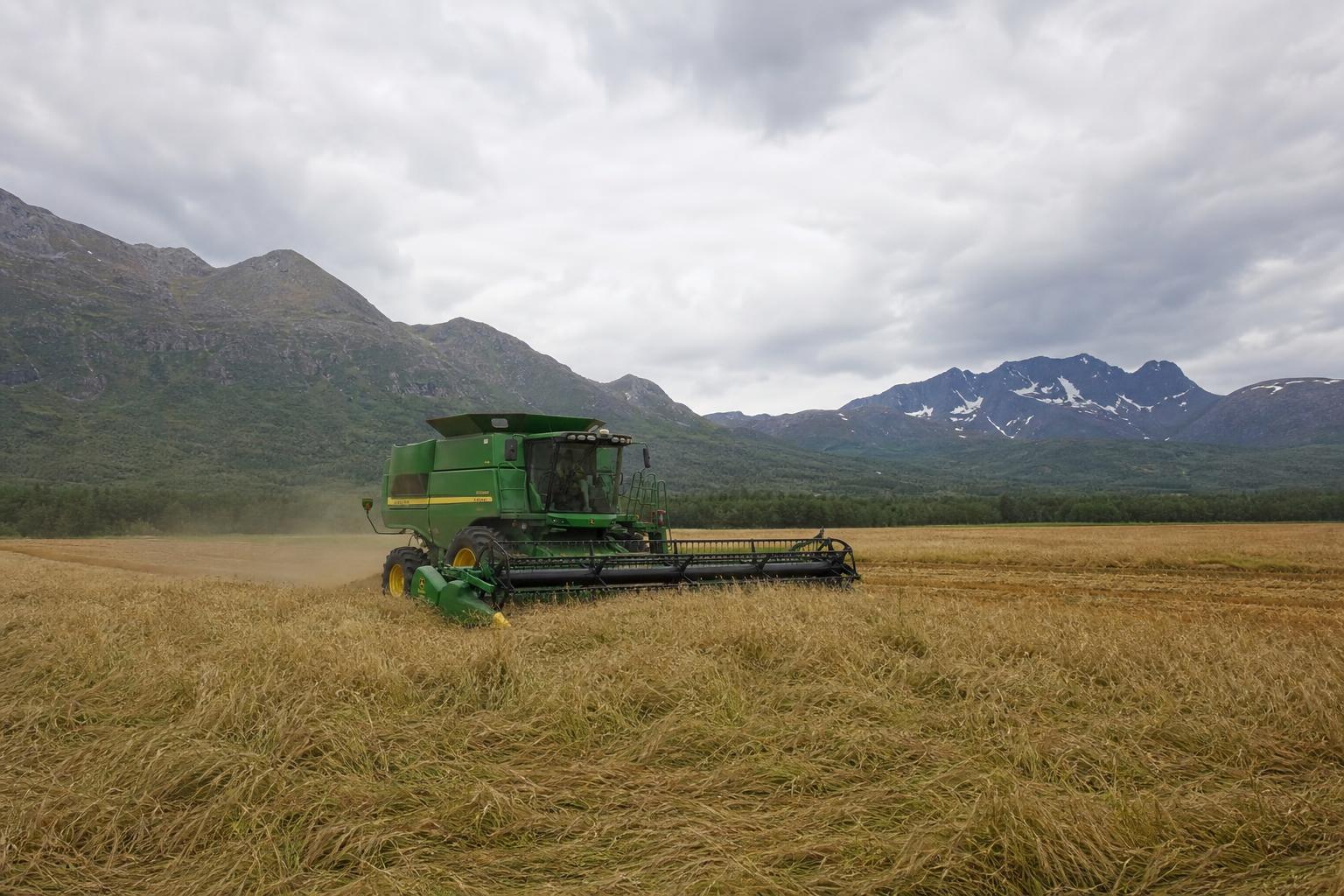
Alaska’s unique geography presents both challenges and opportunities for the state’s grain market. With its vast landscapes and climate extremes, the potential for local grain production has been gaining attention among farmers and agribusiness professionals.
Current Challenges in Alaska’s Grain Market
The grain market in Alaska faces several hurdles. The state’s harsh climate, limited arable land, and logistical challenges are primary obstacles. Transporting grains to and from the state can be costly, influencing the market's competitive edge. Additionally, fluctuating climate conditions further complicate planting and harvesting schedules.
Innovative Farming Practices
Alaskan farmers have started adopting innovative farming practices to navigate these challenges. With the help of greenhouse technologies and climate-resilient grain varieties, local producers aim to optimize yields. Moreover, community-driven efforts seek to boost production and local consumption. Navigating Uncertainty: Alaska's Agricultural Opportunities Amid Global Grain Trends offers more insights into these innovative practices.
Opportunities for Expansion
Despite these challenges, there is significant potential for expanding grain production in Alaska. Leveraging its unique growing conditions could open niche markets for specialty grains. Collaborative efforts between government bodies and local growers are pivotal in overcoming current hurdles. Navigating Alaska's Agricultural Markets: Challenges and Opportunities highlights strategies for market growth.
Local Market and Food Security
Increasing local grain production can enhance Alaska’s food security significantly. As global grain markets face volatility, promoting local production provides stability and self-reliance. Alaskan Barley: Strengthening the State’s Food Security discusses the role of specific crops in this initiative.
What it means for the market
Alaska’s grain market is poised for growth if the state can overcome its logistical and environmental challenges. Embracing innovative practices and expanding collaborations between stakeholders will be crucial. As the demand for local grains increases, Alaska could position itself as a unique player in the broader U.S. grain market.