
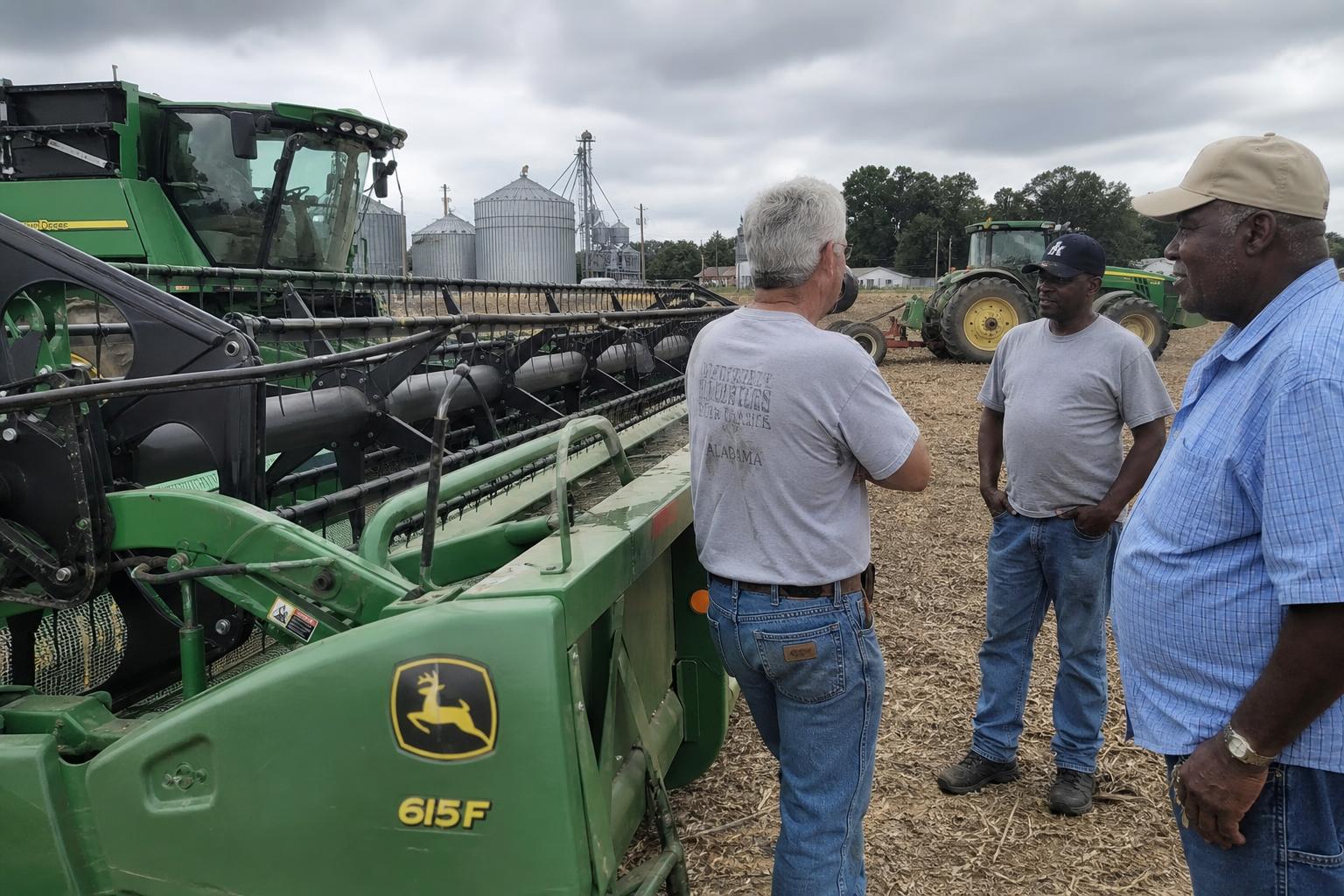
The grain market in Alabama is facing significant shifts as farmers and agribusinesses contend with both global uncertainties and domestic pressures. Staying informed and strategically agile is crucial for navigating these volatile times.
Understanding Market Dynamics
The global grain market is experiencing turbulence due to geopolitical tensions and uncertain weather patterns. These factors are impacting grain prices, causing fluctuations that can affect profitability for Alabama's producers. As external factors contribute to market volatility, understanding these dynamics is essential for Alabama farmers seeking stability.
Focus on Controllable Elements
With so many variables at play, it's important to focus on what you can manage. According to industry insights, the timing of sales is critical. Alabama farmers might consider adjusting their selling strategies to capitalize on early market movements. Monitoring grain prices and staying updated with forecasts can help in making informed selling decisions, potentially increasing margins.
Adapting to Shifts in Trade and Demand
The exit of major players from grain trading arenas, such as the UAE's Al Dahra, highlights a shift towards local farming initiatives. This could open opportunities for Alabama's grain markets to explore new domestic and international partnerships. Evaluating new trade routes and diversifying your buyer base may be beneficial for maintaining robust market positions.
Weather Risks and Agricultural Practices
Changing weather patterns present ongoing challenges for Alabama's grain producers. Implementing resilient agricultural practices and adopting technology for better prediction and response can mitigate some weather-related risks. Investing in climate-smart agriculture could be a prudent move to safeguard crops against unpredictable weather woes.
What it Means for the Market
For Alabama farmers, staying informed and agile within the market is more important than ever. By focusing on controllable elements, such as sales timing and market adaptability, farmers can better navigate the volatile conditions. As major grain players shift their strategies, new opportunities may arise for local producers who are prepared to adapt and innovate in their approaches.