
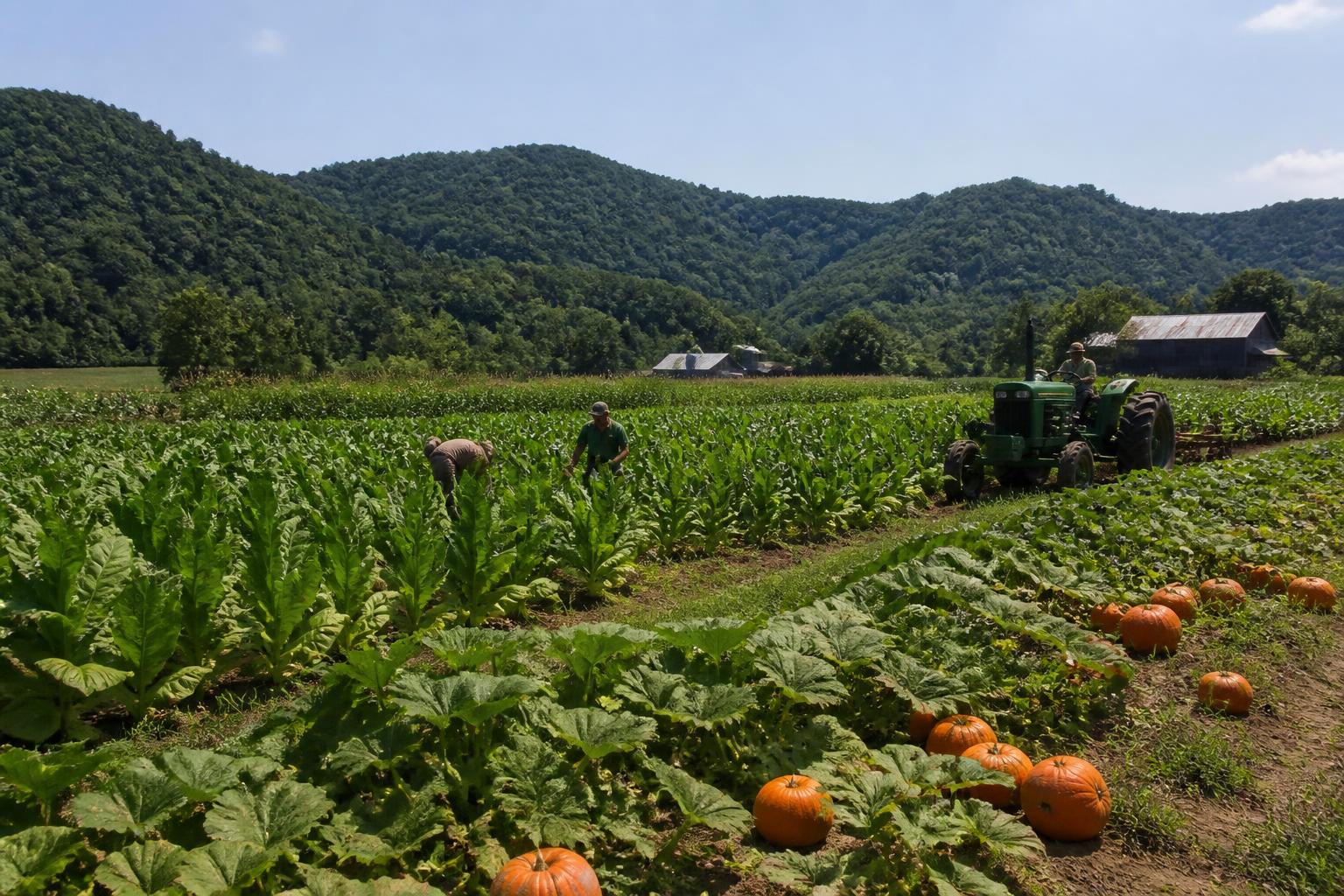
As the summer heat settles over the Appalachian hills, West Virginia's agricultural transport sector faces a complex mix of geographical and economic challenges. Moving agricultural goods, feed, and poultry supplies across the state's rugged, winding terrain is always demanding, but current macroeconomic pressures are making logistics even tighter for regional agribusinesses and carriers. From rising diesel costs to structural shifts in national freight systems, operators must plan carefully to keep local supply chains moving efficiently.
Rail Consolidation and Rural Supply Chain Risks
A major point of concern for rural logistics planning is the ongoing consolidation of the nation's rail networks. According to reports from the American Farm Bureau Federation (AFBF), rail consolidation significantly increases rural supply chain risks. For states like West Virginia, which rely heavily on consistent rail deliveries for bulk fertilizers, feed ingredients, and other essential inputs, any service disruption or reduction in local rail access can create immediate bottlenecks. With fewer primary rail carriers operating, rural areas are often the most vulnerable to service delays, leaving local distributors dependent on truck freight to bridge the gaps.
Rising Fuel Costs Squeeze Mountain Transport
On the highway side, regional transporters are dealing with the persistent weight of high operating costs. Recent market reports highlight that rising diesel prices continue to pinch agricultural budgets. In West Virginia, where hauling routes frequently involve steep climbs and winding rural roads, trucks consume significantly more fuel per mile than they would on flatter Midwestern corridors. These elevated transportation costs quickly trickle down to local poultry, livestock, and forage operations, making efficiency paramount when navigating challenging mountain routes during the summer season.
To mitigate these pressures, some logistics coordinators are focusing on consolidating loads and optimizing backhaul opportunities to avoid empty miles. Tight coordination between local suppliers and transport dispatchers is proving essential to offset the impact of shifting forage and specialty crop demands across the state.
On-Farm Innovation and Clean Energy Alternatives
While regional trucking remains heavily dependent on traditional diesel, the agricultural sector is beginning to explore alternative fuel sources to lower emissions and long-term operating costs. As an encouraging sign of localized energy innovation, the West Virginia University (WVU) research farm recently received new tractors powered by methane. While widespread adoption of such alternative fuels for heavy over-the-road freight is still a long-term prospect, these on-farm advancements demonstrate how renewable fuels may eventually help reduce the agricultural sector's overall reliance on volatile fossil fuel markets.
Key Takeaways for West Virginia Operators
- Evaluate Supply Sources: Given the rural supply chain risks highlighted by the AFBF, diversify input sources to avoid over-reliance on single rail-dependent distribution points.
- Optimize Fuel Efficiency: Group deliveries and coordinate shared hauls to minimize empty return trips on fuel-heavy mountain highways.
- Monitor Local Infrastructure: Stay updated on summer road weight limits and localized mountain detours that could delay time-sensitive agricultural shipments.
What it means for the market
For West Virginia farmers and agricultural suppliers, the remainder of the summer will require strategic, localized logistics management. With rail consolidation presenting systemic supply chain risks and high diesel prices raising freight costs, regional businesses cannot afford inefficient shipping practices. Utilizing local networks, exploring collaborative hauling agreements, and keeping a close eye on alternative energy developments will be vital strategies for maintaining competitive margins through the harvest season and beyond.
Коментарі
Коментарів ще немає — будьте першим.