
For U.S. farms, retailers and elevators, the most useful fertilizer number is still the delivered price to the farm gate or plant location. A low offer on nitrogen, phosphate or potash can lose value quickly if freight, unloading time, storage limits or payment terms are not included in the comparison.
Input buyers should treat fertilizer procurement as a logistics decision as much as a price decision. That means checking product availability, delivery timing, tender or spreader access and backup supply options before committing tons for the next application window. For more background on this approach, see AgroPost's earlier U.S. fertilizer market brief on delivered cost.
Delivered cost is the number to compare
Fertilizer markets can look different depending on whether a quote is at the terminal, warehouse, retailer yard or farm. Buyers should ask for the full cost by product, freight lane, delivery point and expected delivery date.
For nitrogen buyers, the key question is whether the quote matches the intended application method and timing. Anhydrous ammonia, urea, UAN and other nitrogen products can carry different handling, storage and transport needs.
For phosphate and potash buyers, freight and blending access can matter as much as the posted product price. A product that is available nearby may offer a lower risk profile than a cheaper offer that depends on a longer or uncertain haul.
Transportation can change the bid sheet
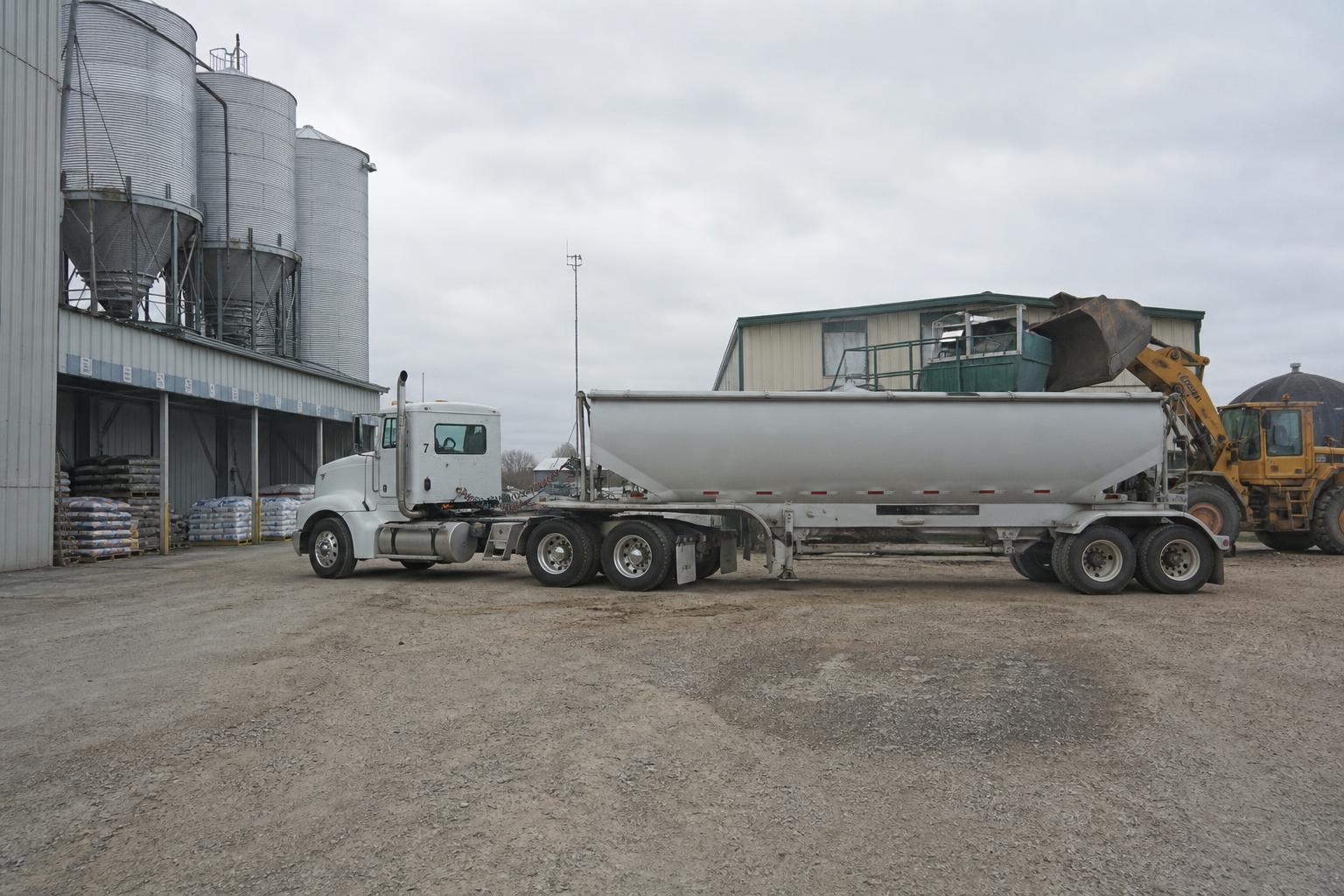
Fertilizer tons compete for truck, rail and barge capacity at the same time grain and other bulk commodities are moving. When carriers are tight, short-haul trucking, terminal appointments and dealer delivery schedules can become the limiting factor.
That makes early coordination with retailers and carriers important. Buyers should confirm whether quotes include freight, fuel adjustments, demurrage exposure, unloading responsibilities and any limits on delivery flexibility. Related freight planning points are covered in AgroPost's U.S. grain logistics brief, which is also relevant for fertilizer moves that depend on the same transportation network.
Key takeaways for input buyers
- Compare delivered cost: Do not evaluate fertilizer offers only by terminal or wholesale price.
- Match product to timing: Nitrogen form, application window and equipment access should align before purchase.
- Check freight terms: Confirm who controls the truck, delivery slot, unloading and any waiting time charges.
- Protect flexibility: Split purchases or staged delivery may reduce exposure if storage or field access is limited.
- Watch local supply: Nearby availability can reduce execution risk when application windows tighten.
Budgeting should include agronomic and cash flow risk
Fertilizer is one of the largest controllable input lines for corn, wheat, cotton and other row crop budgets. The buying decision should be tied to soil test needs, yield goals, crop rotation and working capital, not only to the latest offer.
Growers should ask retailers to separate product, freight, application and service charges where possible. That can make it easier to compare suppliers and understand whether a lower product price is offset by higher delivery or handling cost.
What it means for the market
For the U.S. fertilizer market, the practical signal is execution. Buyers who lock in tons without confirming freight, storage and application timing may still face higher effective costs. Buyers who compare full delivered offers and keep communication open with retailers, carriers and lenders should be better positioned to manage nitrogen, phosphate and potash expense in the next crop input cycle.