
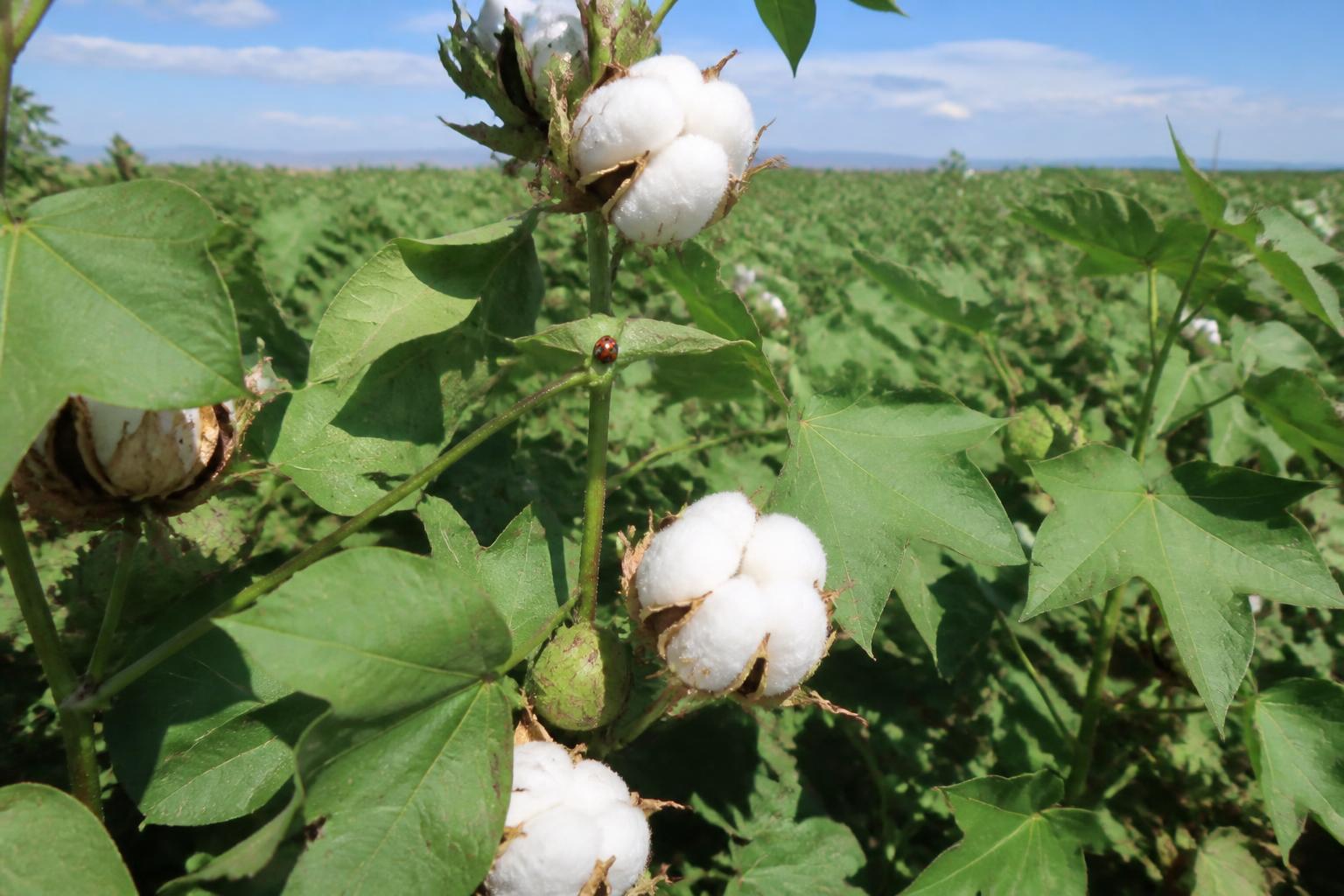
As summer temperatures peak across the Southwest, Arizona agribusinesses and carriers are facing the annual challenge of moving high-value commodities through intense desert heat. From the irrigated fields of Yuma and Pinal counties to the transit hubs of Maricopa County, managing the logistics of summer harvests requires careful planning, specialized equipment, and resilient supply chains. With Arizona set to contribute to an expected bump in national cotton production alongside its established Desert Durum wheat exports, truck and rail capacity remain top priorities for local operators.
Moving heavy agricultural freight in temperatures regularly exceeding 100 degrees Fahrenheit puts unique stress on both trucking equipment and drivers. To keep commodities moving safely along critical freight corridors like Interstate 10 and Interstate 8, the industry relies on specialized maintenance schedules and temperature-sensitive transit planning. This seasonal pressure highlights the importance of active Arizona agricultural transportation strategies to prevent transit delays and maintain load integrity.
Freight Capacity and Commodity Demands
Arizona's diverse crop mix keeps regional haulers busy even during the hottest months. The state's certified Desert Durum wheat, highly prized by domestic and international pasta makers for its high quality, must be efficiently transported from local grain elevators to mills and deep-water ports. Concurrently, cotton growers are preparing for their harvest cycle, adding further demand to regional flatbed and dry van capacity.
Because these crops require swift transport to preserve quality, local dispatchers must balance tight delivery windows with driver safety regulations. High temperatures often prompt shippers to schedule loading operations during cooler nighttime or early morning hours, which requires close coordination between farm managers, harvest crews, and logistics coordinators.
Sustainability Metrics and Global Bottlenecks
Beyond regional heat, Arizona agribusinesses are increasingly evaluating their transport footprints through modern sustainability frameworks. Research and tools, such as the THESIS Index developed at Arizona State University, are prompting shippers to look closely at fuel efficiency, route optimization, and emissions. This push for sustainability coincides with broader global transit concerns.
With international choke points like the Strait of Hormuz introducing uncertainty into global grain and cotton markets, regional transport reliability becomes even more critical. Arizona producers targeting export markets depend heavily on seamless connections to West Coast ports or southern border crossings, making local logistics efficiency a vital link in the international food security chain. Working to overcome these hurdles involves navigating summer supply chain bottlenecks through proactive planning and advocacy.
Key Takeaways for Arizona Shippers
- Shift loading schedules: Utilize early morning or late evening windows to protect drivers and minimize thermal stress on trucking components.
- Verify equipment readiness: Ensure refrigeration units, tires, and cooling systems are inspected frequently to handle sustained desert heat.
- Optimize export routes: Keep a close eye on global shipping lane disruptions and coordinate with port-bound carriers early to secure space.
What it means for the market
For Arizona farmers, grain handlers, and transportation providers, the combination of strong seasonal demand and harsh summer conditions means that logistical agility is just as important as crop yield. Carriers who can guarantee reliable, heat-resilient service will find steady demand as Arizona moves its specialty grains and prepares for the upcoming cotton crop. Maintaining open communication between shippers and carriers will be the deciding factor in keeping desert supply chains running smoothly through the summer months.
Comments
No comments yet — be the first to share your take.