
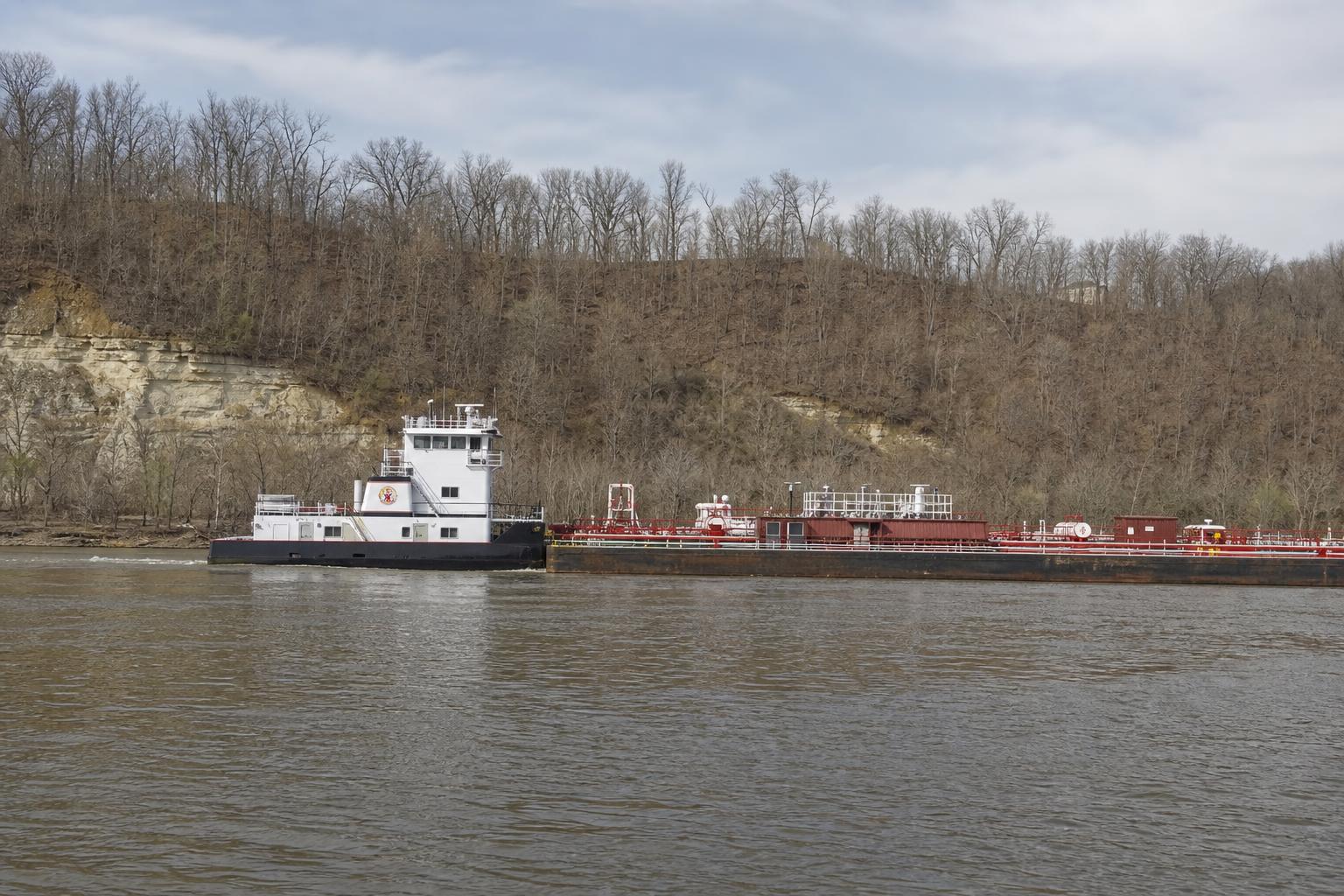
The Mississippi River is a crucial artery for agriculture in the United States, particularly in Mississippi, where it is used extensively for transporting grain and other agricultural products. However, recent drought conditions have resulted in significantly low water levels, which are impacting farm operations and revenue streams.
Impact on Grain Transportation
With lower water levels, the Mississippi River has turned into a challenging bottleneck for barge transport, crucial for moving grains and other bulk products. This situation is causing delays and increased costs, as barges can carry less cargo, leading to a sharp increase in transportation expenses.
Economic Implications
The transportation bottleneck is squeezing farm incomes due to higher logistics costs combined with competitive pressures, such as global buying patterns shifting towards other markets. Farmers in Mississippi may find it increasingly difficult to remain competitive amidst these logistical hurdles.
Effects on Market Prices
As transport becomes more expensive, the basis - the difference between local cash prices and futures prices - is affected, causing uncertainty in grain markets. This could alter pricing strategies and influence how farmers manage their produce sales, as highlighted by similar challenges in the Idaho wheat market.
Adapting to Challenges
Farmers and logistics operators must adapt by coordinating sales windows with available transport capacities. Initiatives such as matching sales to rail and truck options, discussed in our U.S. Grain Freight Brief, could mitigate some pressures from barge constraints.
What it Means for the Market
The persistent low levels of the Mississippi River emphasize the need for strategic adjustments in the agricultural logistics chain. By exploring diverse transportation methods and refining market strategies, Mississippi farmers can better navigate current and future uncertainties. This will not only stabilize individual farm incomes but also strengthen the state's agriculture sector against logistical vulnerabilities.