
Defying National Trends with Soil Protection
According to recent reports from the USDA, Massachusetts agriculture is actively defying national downward trends. While large-scale commodity producers in other regions face steep financial pressures, the highly diversified and localized nature of Bay State farming provides a unique level of resilience. Central to this steady performance is a growing regional focus on advanced soil protection. Implementing no-till farming and active soil health practices has proven vital in transforming local landscapes, helping soils retain precious moisture and nutrients during the peak summer heat.
For growers working the fertile soils of the Pioneer Valley or the rolling fields of Worcester County, these conservation practices offer a reliable buffer against extreme weather. Minimizing soil disturbance helps maintain the natural biology of the land, which in turn produces more resilient and nutritious food crops. To optimize these conservation benefits, growers are increasingly combining soil building with proactive crop protection and land management to ensure high yields and stable market delivery.
State Grants and Scientific Breakthroughs Fuel Progress
Local financial backing is playing a critical role in helping farmers implement these protective measures. The Healey-Driscoll administration recently celebrated Massachusetts Agriculture Day by announcing more than $3 million in grants aimed at supporting local farmers. These funds can assist operators in upgrading their protective infrastructure, adopting micro-irrigation systems, and integrating modern conservation management practices that protect local watersheds.
At the same time, regional scientific institutions are driving next-generation crop protection. Researchers at the Massachusetts Institute of Technology (MIT) are working on a "Green Revolution" of their own, developing specialized microbial fertilizers. These bio-based inputs are designed to deliver targeted nutrition directly to plants while naturally enhancing soil health. Such innovations could significantly reduce reliance on volatile global chemical markets, offering local farmers a more secure, domestically sourced option for crop protection and soil enhancement.
Adapting Machinery Strategies to High Costs
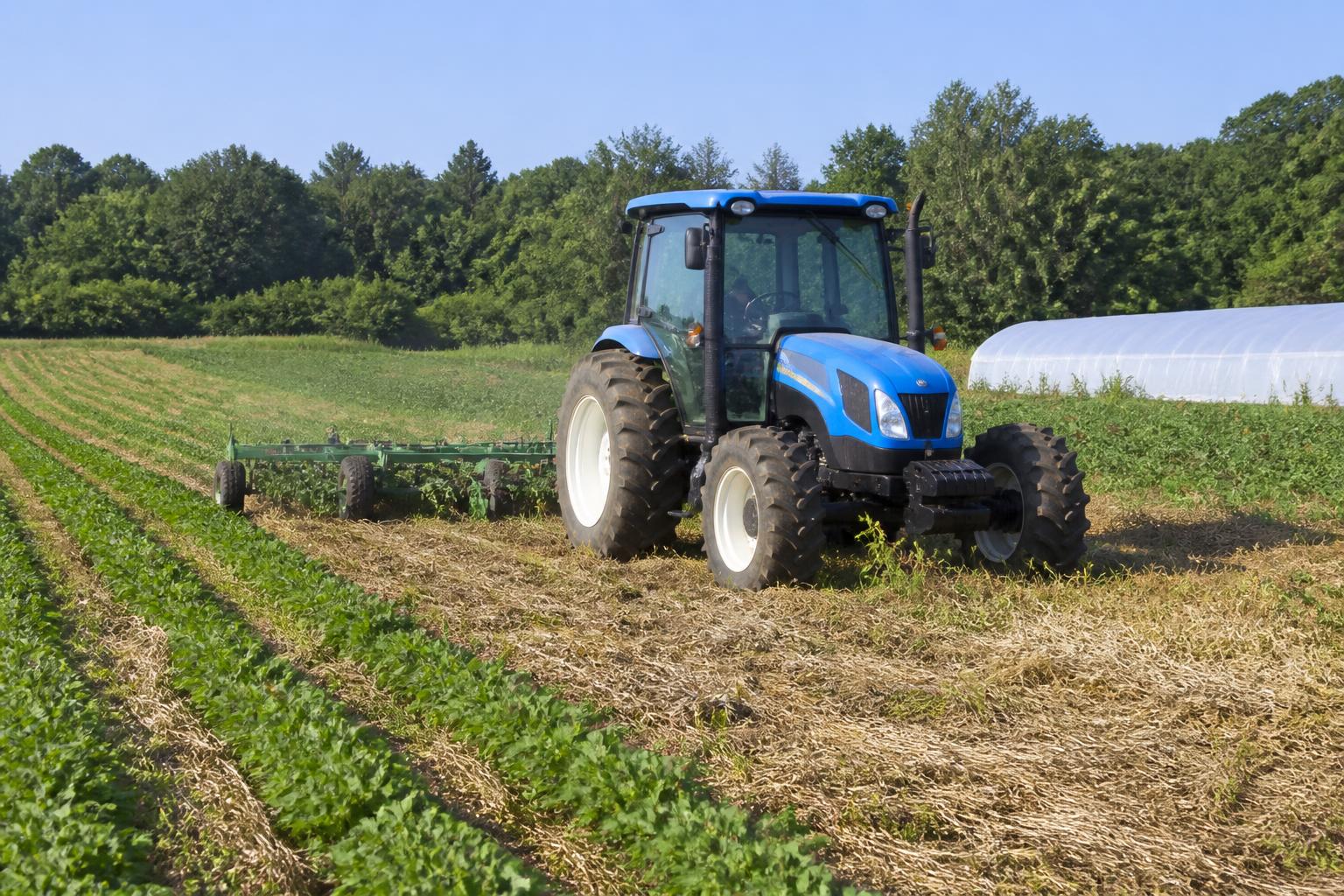
With machinery costs continuing to climb nationwide, many farmers are delaying major equipment purchases. However, rather than halting progress, many operators in Massachusetts are shifting their focus toward smaller, highly efficient machinery. Industry developments, such as utility tractors equipped with advanced electronic transmissions, are proving highly suitable for small-scale, diversified farms that require precise maneuverability without a massive capital investment.
Furthermore, targeted field prep tools like strip-till equipment are gaining traction. Strip-tilling allows growers to prepare only the narrow row-strips where seeds are planted, leaving the remaining soil covered with protective crop residue. This approach reduces fuel consumption and minimizes soil erosion, providing an ideal compromise between traditional tillage and strict no-till systems for crops requiring specialized seedbeds.
Key Takeaways for Bay State Producers
- Emphasize Soil Health: Adopting no-till or strip-till practices helps preserve soil moisture, reduces erosion, and improves crop resilience during dry summer stretches.
- Leverage Local Funding: State-level grants, such as the recent $3 million funding package, offer valuable opportunities to offset the costs of upgrading conservation and crop protection setups.
- Invest in Targeted Equipment: Smaller, specialized tractors and precise strip-till machinery can help manage input costs and protect soil structures without overextending farm budgets.
What it means for the market
For the Massachusetts agricultural market, the focus on soil conservation and crop protection serves as a vital safeguard against broader economic headwinds. By utilizing targeted state grants and adopting innovative biological solutions like microbial fertilizers, local producers can lower their exposure to global supply chain disruptions. In the coming months, farms that prioritize soil health and efficient, small-scale machinery will be best positioned to maintain steady production, keeping local food supply chains robust and resilient throughout the summer harvest season.
Comments
No comments yet - be the first to share your take.