
As the summer heat settles over the high plains, Wyoming agricultural producers are focusing heavily on logistics, forage movement, and regional supply chain management. Efficiently moving agricultural products out of the state's rural counties requires a coordinated effort between local rail operations, trucking, and transloading facilities.
These logistical networks are vital for Wyoming's high-quality forage and hay producers, who are currently in the middle of their summer cutting season. At the same time, newly appointed leadership at the federal and state levels aims to streamline administrative support for rural infrastructure and farm services.
Redefining Wyoming Ag Logistics Through Transloading
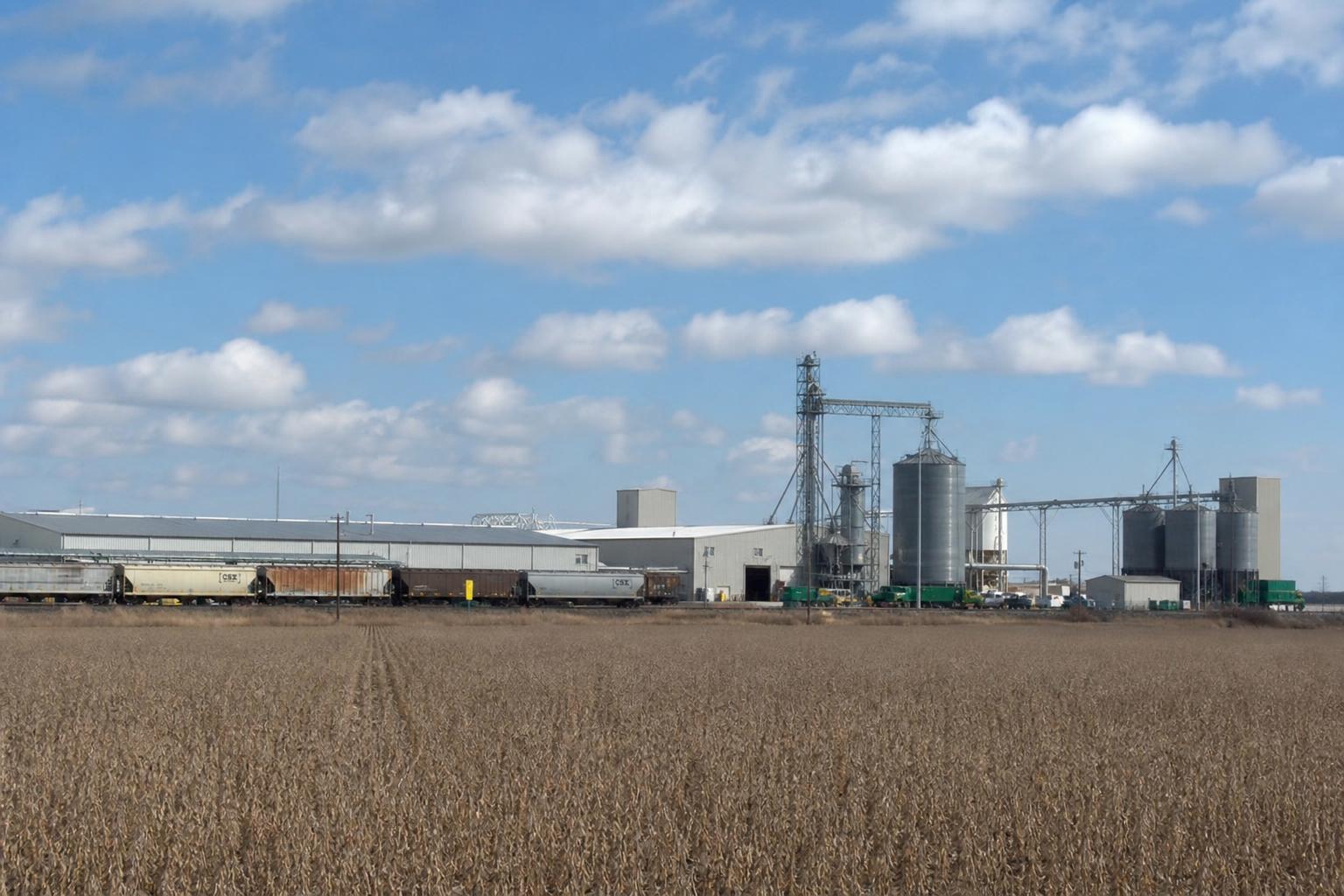
Moving bulk agricultural commodities like fertilizer, grains, and livestock feed across long distances remains a primary challenge for Wyoming agribusinesses. Shortline railroad operators, including Genesee and Wyoming (G-W), are playing an increasingly important role by expanding their transloading networks. Transloading allows producers to move products from trucks directly to railcars, effectively combining the flexibility of highway transport with the cost-efficiency of long-distance rail.
In many parts of the state, accessing primary rail lines can be difficult due to vast distances between major shipping hubs. By developing regional transloading sites and partnering with local industrial teams, rail providers are making it easier for local elevators and agricultural input suppliers to bypass traditional bottlenecks. This logistics model can reduce overall freight costs and help local producers stay competitive in broader domestic markets.
Summer Forage Demand and Supply Chains
Wyoming is renowned for its premium alfalfa and grass forage, which is highly sought after by dairies and beef cattle operations across the West. During the active summer harvesting months, transport capacity is often stretched thin as trucks compete for drivers and trailers to haul heavy bales. Having a reliable logistical network, including shortline rail access, offers a crucial pressure relief valve for bulk forage shippers.
Maintaining strong connections to regional feedlots and dairy basins is essential for stabilizing local hay prices. When local weather patterns or transport disruptions occur, having alternative shipping routes helps maintain steady cash flow. Producers can find valuable strategies for handling these shifting conditions when navigating Wyoming's agricultural market, which highlights how growers adapt to both weather volatility and logistics constraints.
USDA Support for Rural Infrastructure
On the policy front, administrative updates are set to influence Wyoming's agricultural programs. The USDA's announcement of new state directors for both the Farm Service Agency (FSA) and Rural Development is expected to bring renewed focus to local farm programs and rural infrastructure funding. These state directors play a critical role in distributing federal grants, administering disaster assistance, and supporting rural utility projects.
For Wyoming's farm and ranch families, having active and accessible leadership at the FSA and Rural Development levels ensures that federal support programs are aligned with local needs. This includes funding for agricultural logistics, conservation programs, and rural business loans that keep small-town economies resilient.
Key Takeaways for Wyoming Agribusiness
- Transloading networks: Regional shortline rail developments are helping to bridge the gap between trucking and long-haul rail, reducing bottlenecks for bulk agricultural shippers.
- Forage movement: The summer hay harvest relies heavily on stable logistics channels to move premium Wyoming alfalfa and grass hay to out-of-state dairy and beef operations.
- Administrative support: New leadership within the USDA Farm Service Agency and Rural Development points to continued administrative focus on rural infrastructure and agricultural safety nets.
What it means for the market
As the summer harvest progresses, Wyoming's agricultural market will remain closely tied to transport availability and administrative efficiency. While strong demand for high-quality forage provides a solid foundation for local prices, the ability to move these goods cost-effectively via rail and highway networks will ultimately dictate producer margins. Growers and agribusinesses should monitor local transloading developments and keep in touch with regional USDA offices to maximize infrastructure and funding opportunities.