
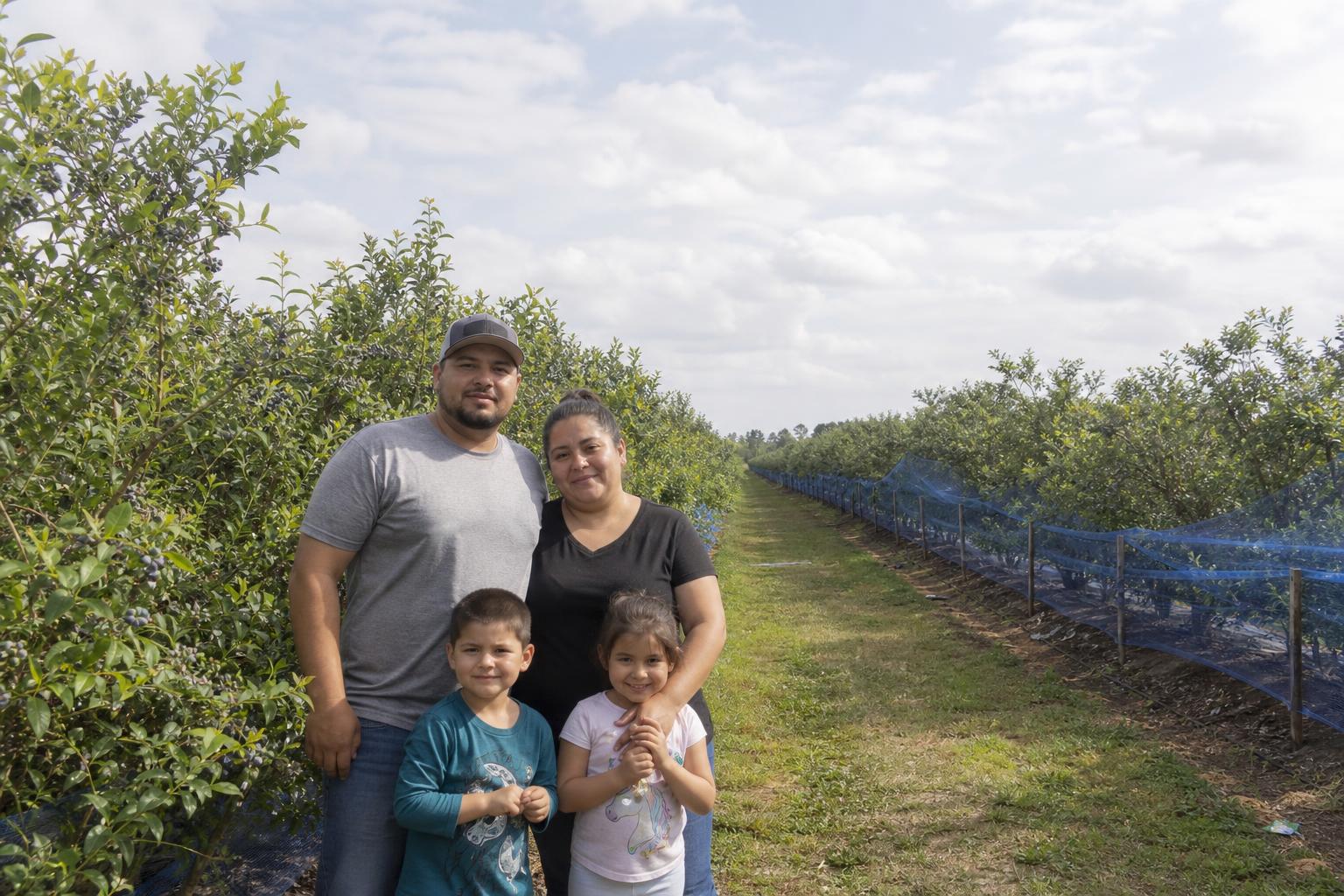
As summer temperatures peak across Alabama, local growers are deploying advanced crop protection strategies to safeguard their yields. From the rolling fields near Huntsville down to the southern coastal plains, the double-pronged challenge of unpredictable weather and fluctuating input costs is driving a quiet revolution in how crops are shielded and nourished.
This season, Alabama agribusinesses are heavily investing in physical protection systems, such as high tunnels for specialty crops, alongside innovative biological inputs. By combining these structural defenses with modern soil microbiology, the state's agricultural sector is finding new ways to secure reliable crop volumes despite regional climate pressures.
The Rise of Protected Fruit and Berry Production
In many parts of the Southeast, open-field cultivation of delicate specialty crops like berries and stone fruits is becoming increasingly risky. Alabama growers are rapidly adopting protected agriculture practices, utilizing high tunnels, rain shelters, and shade houses. These structures mitigate the impact of severe summer storms, excessive heat, and pest pressures that can easily ruin a high-value berry harvest.
Protected environments not only extend the growing season but also allow for precise water and nutrient management. By keeping heavy rains off sensitive fruits, growers can significantly reduce rot and fungal diseases, lowering their reliance on traditional chemical fungicides. This shift toward structural crop protection is proving to be a highly profitable strategy for family operations aiming to supply consistent, high-quality local produce to nearby metro markets.
Rethinking Nutrition and Defense via Microbiology
Beyond physical structures, protecting crops in Alabama also means strengthening them from the roots up. Modern soil microbiology is shifting how growers view crop nutrition. Innovative biofertilizer technologies and microbial inoculants are gaining traction as viable alternatives to synthetic chemicals, which have seen wild price swings in recent years.
These biological solutions work by enhancing the plant's natural defense mechanisms and improving nutrient uptake. Alabama farmers, who have spent the past several seasons navigating fertilizer challenges amid global tensions, are utilizing micro-organisms to unlock existing soil phosphorus and nitrogen. This microbiological approach not only lowers input costs but also builds crop resilience against summer drought stress.
Alabama's Leading Innovators Blazing the Trail
The transition toward more resilient farming systems is being championed by prominent local producers across the state. In North Alabama, Huntsville-based grower Mike Tate has demonstrated how modern management practices can sustain yield consistency on a regional scale. Similarly, outstanding young agricultural leaders like Jon and Amy Hegeman have highlighted the vital role that adaptive, innovative family farms play in securing Alabama's agribusiness economy.
These local success stories demonstrate that investing in structural protection and biological inputs is no longer just for specialty organic growers. Progressive large-scale producers are recognizing that soil health and physical crop shielding are essential components of long-term risk management.
Key Takeaways for Alabama Growers
- Structural Defense: High tunnels and rain shelters are proving vital for high-value Alabama berry and fruit production, protecting crops from unpredictable summer weather.
- Microbial Inoculants: Transitioning to bio-inputs can reduce reliance on synthetic fertilizers, improving plant resilience to heat and drought.
- Economic Resilience: Investing in crop protection and alternative inputs stabilizes farm yields, strengthening the broader regional agribusiness economy.
What it means for the market
For Alabama grain handlers, input buyers, and agricultural shippers, the growing adoption of protected cultivation and bio-inputs represents a shift toward more predictable, decentralized production. While synthetic inputs and open-field row cropping remain the backbone of the state's agricultural economy, the steady integration of physical and biological protection technologies provides a critical safety valve. Growers who diversify their defense strategies this summer will be best positioned to weather both market volatility and seasonal climate extremes.