
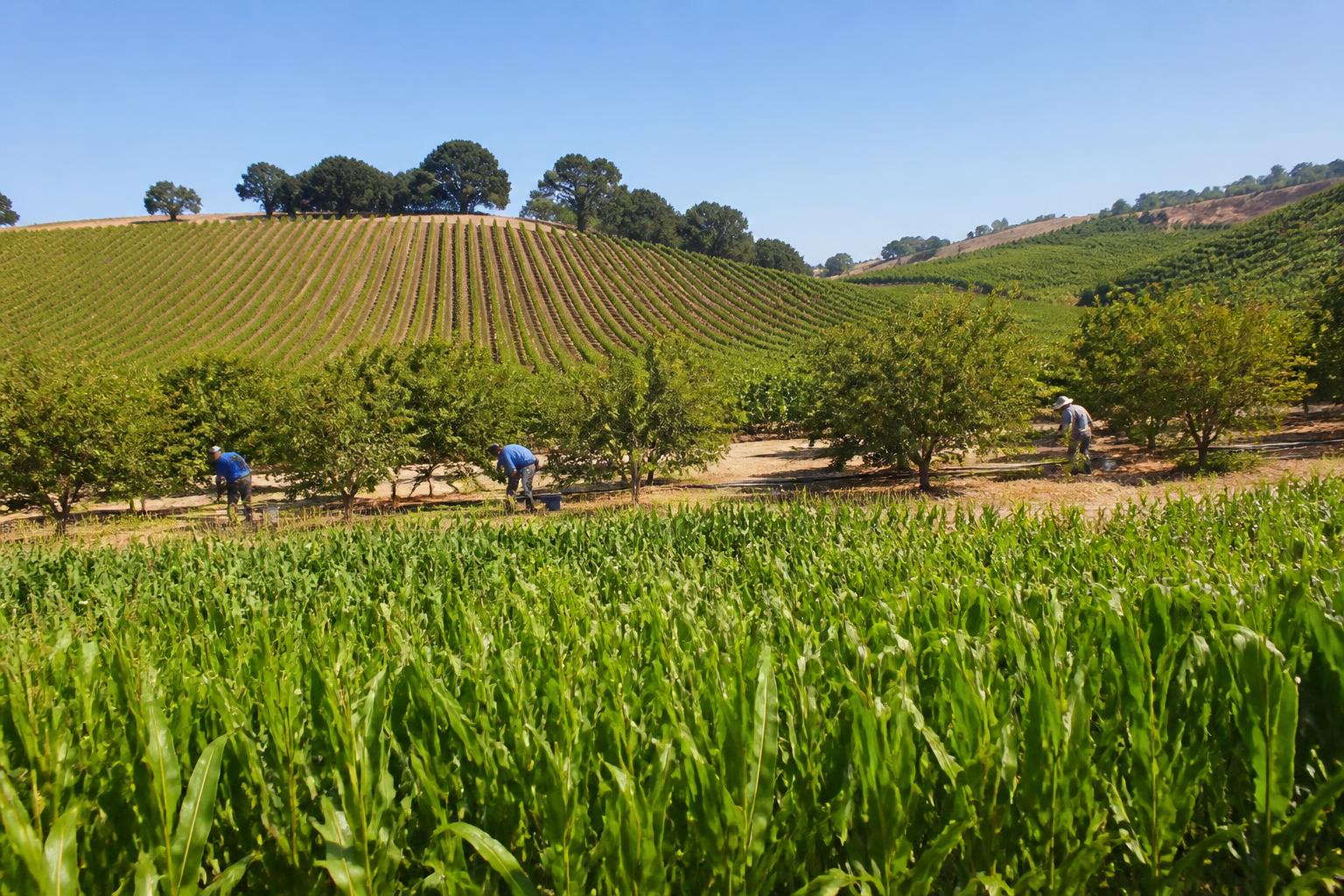
As the summer harvest cycle gains momentum across California, agribusinesses are closely monitoring the interplay between logistical efficiency and broader market pressures. From the Central Valley to coastal transit hubs, maintaining steady movement of commodities remains a priority for operators navigating a complex agricultural landscape.
Efficiency in drayage and terminal operations is becoming a central focus for many in the supply chain. As export-bound goods move through key California ports, industry stakeholders are assessing how shifts in freight and transport logistics affect the bottom line. For those managing the flow of grain and specialty crops, keeping a pulse on terminal capacity and trucking availability is essential during these peak activity months.
Innovation in the Field
Technology continues to play a significant role in modernizing California operations, with recent investments in AI-driven research facilities, such as those at Fresno State, aiming to boost agricultural productivity. These advancements, paired with refined testing protocols for forage and other feedstocks, help producers maintain quality standards as they prepare to move volumes into both domestic and international channels.
Navigating Economic and Environmental Variables
Beyond logistics, growers are managing a variety of external pressures that can impact long-term planning. Water policy, land management decisions, and shifting trade environments frequently enter the conversation for California producers. Whether adjusting for legislative targets in water usage or responding to potential changes in trade-related tariffs, agility is a core requirement for businesses operating in today's evolving harvest landscape.
What it means for the market: Producers and handlers who prioritize real-time logistics tracking and stay informed on shifting policy environments are better positioned to mitigate delays. As the season progresses, the ability to pivot transport strategies—particularly regarding port access and regional trucking routes—remains a critical factor in ensuring that seasonal harvest volumes successfully reach their intended markets.
Comments
No comments yet - be the first to share your take.