
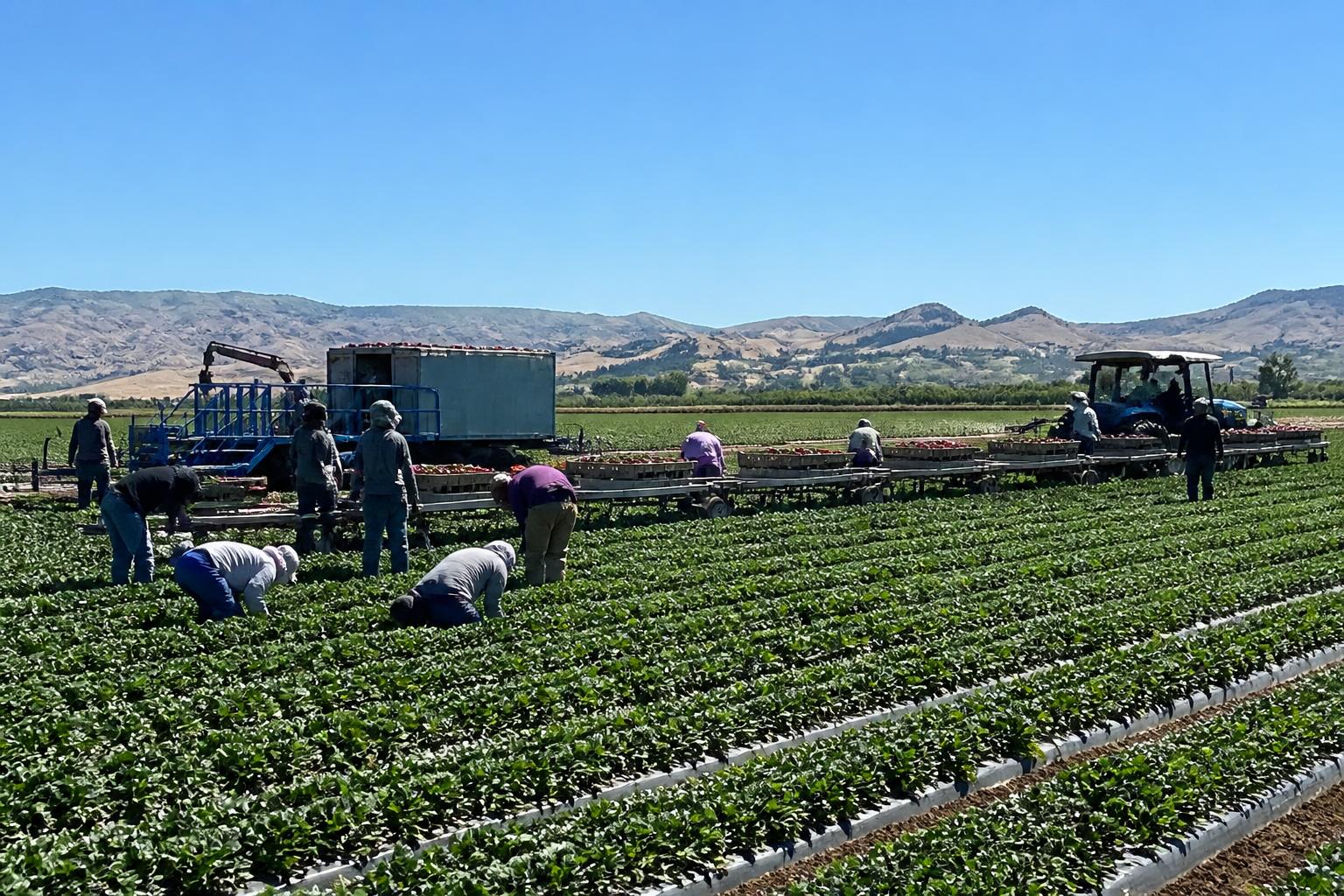
Mid-summer in California marks a critical juncture for agricultural logistics. As harvest cycles peak across the Central Valley and coastal growing regions, the pressure on transportation networks, local grain handling facilities, and supply chain coordinators remains high. Efficient movement of specialty crops and emerging local grain varieties requires close coordination between producers and regional transporters.
The state's infrastructure remains a focal point for the industry. As producers navigate the complexities of optimizing California harvest logistics, the ability to maintain fluid movement through major transit corridors is essential. Whether utilizing major trucking routes or coordinating with rail partners, stakeholders are increasingly looking for ways to mitigate congestion that typically occurs during the height of the summer shipping season.
Adapting to Regional Infrastructure Needs
The rise of a local grain economy has introduced new variables into California's transport landscape. While much of the state's logistical framework is built for perishable produce, the integration of grain storage and distribution requires specific attention to weight limitations and facility readiness. For many, this involves proactive maintenance and ensuring that local facilities are prepared for the seasonal uptick in inbound and outbound traffic.
Furthermore, managing the demands of current mid-summer harvest and infrastructure pressures requires a flexible approach. Many agribusinesses report that diversifying transport options and focusing on early-stage coordination helps buffer against unexpected bottlenecks at distribution hubs or processing centers.
What it means for the market
For California growers and logistics providers, the current market environment highlights the importance of operational agility. While supply chain pressures persist, the focus remains on leveraging regional hubs and maintaining clear communication with carriers. Ensuring that equipment is properly staged and that logistical plans account for standard seasonal fluctuations can help maintain the velocity of goods from the field to the final consumer market.
Comments
No comments yet - be the first to share your take.