
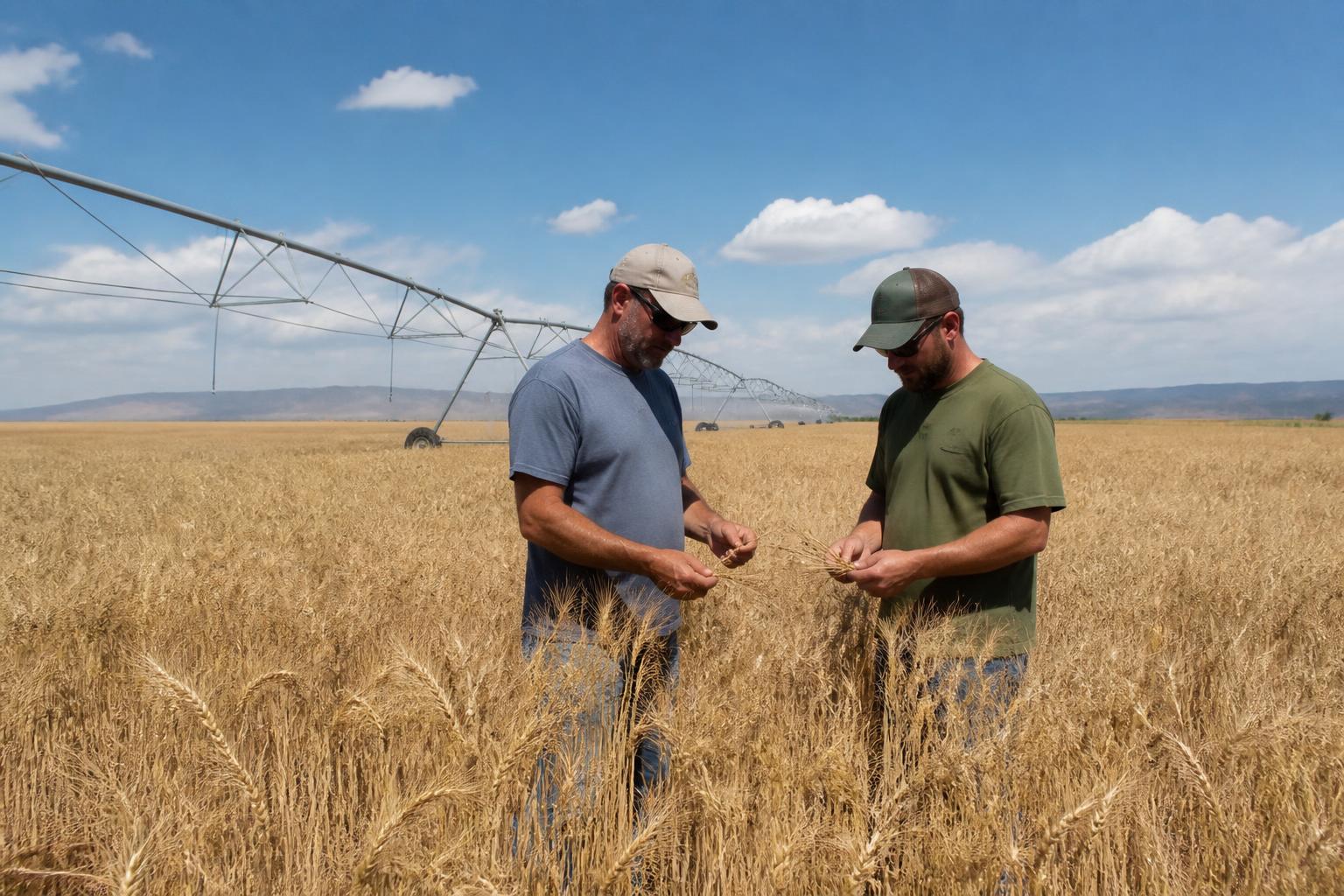
As the late summer season progresses across Wyoming, agricultural producers are increasingly focused on managing economic headwinds that threaten to narrow margins at harvest time. For many growers, the immediate challenge is not just the environmental variability of the season, but the sustained pressure of rising input costs that continue to outpace other market anxieties.
Local producers are navigating these complexities while also keeping an eye on long-term infrastructure. For those involved in the supply chain, maintaining regional grain storage and transport efficiency is vital as operators look to mitigate the risks associated with volatile logistics markets. While discussions around international trade are common in the industry, many regional farmers indicate that direct, daily operational expenses remain the most significant barrier to profitability this year.
Managing Operational Risks in a Tight Market
The current climate has intensified the focus on precise management of inputs. Whether dealing with irrigation scheduling for corn silage or monitoring the performance of emerging perennial crops, the goal remains the same: maximizing yield while minimizing overhead. In some areas, the potential for drought-stressed crops to complicate harvest logistics is leading farmers to adopt more conservative post-harvest storage strategies.
Additionally, the integration of local food supply chains is providing some producers with alternative avenues for their harvest. These smaller, more direct markets may offer a buffer against the wider price fluctuations that often plague large-scale commodity shipping, especially when transport availability is constrained by the ongoing evolution of regional rail and trucking logistics.
Key Takeaways
- Input costs, including fertilizer and fuel, remain the top financial concern for most Wyoming grain operators.
- Dry conditions continue to influence harvest timing and storage quality requirements across the state.
- Producers are increasingly turning to local, direct-to-market channels to supplement traditional commodity sales.
What it means for the market: The reliance on high-cost inputs in an uncertain price environment suggests that efficiency will be the defining factor for farm solvency this season. As harvest approaches, expect producers to prioritize local storage and direct sales options to keep operating margins from slipping further as they move product through the regional supply chain.
Comments
No comments yet - be the first to share your take.