
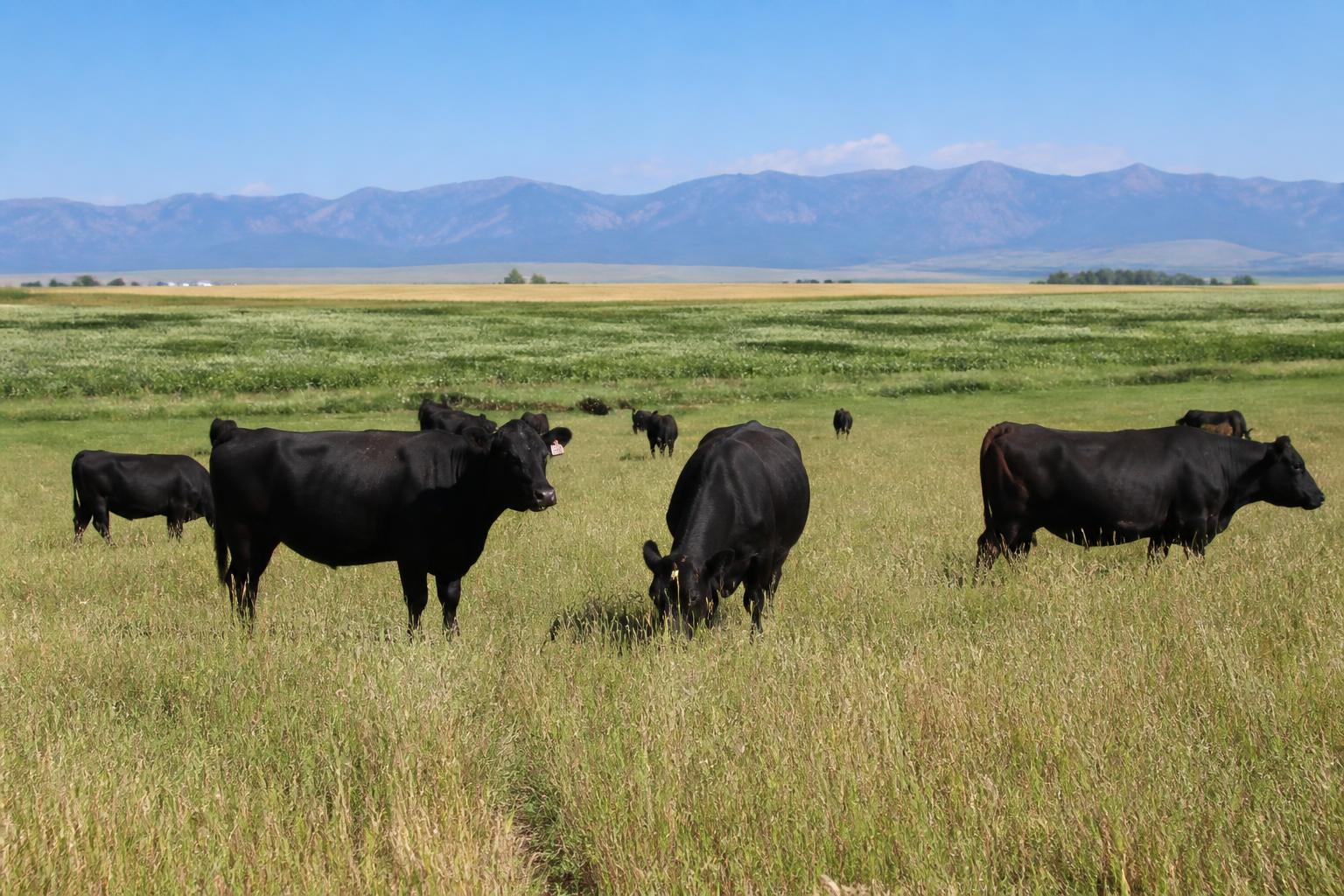
In late summer, Wyoming agricultural operations are balancing the demands of field management with the logistical realities of moving goods across a sprawling landscape. As producers prepare for the final stages of the season, maintaining efficient supply chains remains a primary focus for grain handlers and livestock managers alike. Whether coordinating rail shipments near key transport hubs or managing the movement of essential inputs, infrastructure reliability is a cornerstone of regional profitability.
Recent disruptions in rail transit, such as incidents involving grain cargo in the southern part of the state, serve as a reminder of the volatility inherent in large-scale ag-logistics. Producers often monitor these corridors closely, as even minor delays or site-specific issues can ripple through the local grain and carbon logistics networks. These challenges are often compounded by the need for consistent access to regional storage and processing facilities that keep the supply chain moving during peak harvest activity.
Input Pressures and Utility Concerns
Beyond the complexities of physical transport, Wyoming producers are increasingly sensitive to the economic headwinds affecting day-to-day operations. Ag-irrigators, in particular, are contending with potential rate adjustments from electric utilities. Rising operational costs often necessitate a more precise evaluation of how resources are allocated, forcing a hard look at the efficiency of existing irrigation systems and electricity usage.
These financial pressures are occurring at a time when producers are also evaluating alternative crops and farming practices. For those exploring new perennial grain varieties, the focus is squarely on the long-term economic viability and input efficiency required to sustain operations in the high-plains environment. As discussed in recent analysis, monitoring shifts in market demand and futures remains critical for farmers who are looking to diversify their income streams while navigating a volatile input landscape.
What it means for the market
For the Wyoming agribusiness community, the current climate demands a proactive approach to risk management. Whether it involves lobbying for utility rate stability, diversifying into resilient crop varieties, or coordinating more closely with rail and logistics providers to prevent transit disruptions, operational agility is paramount. As we head into the autumn months, maintaining tight control over variable costs and securing reliable transport routes will be the deciding factors for many operations seeking to protect their bottom line.
Comments
No comments yet - be the first to share your take.